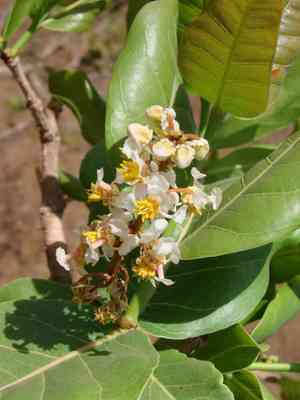
Locustberry (Byrsonima coccolobifolia)
Also known as: Murici
Locustberry is a robust shrub well-suited to tropical environments. It features thick, shiny, elliptical leaves that minimize water loss, and its deep root system helps it endure drought conditions. The shrub's bright yellow flowers are highly attractive to pollinators, and its small, dark purple fruits offer food for local wildlife, fostering a mutual relationship within its ecosystem. Additionally, its ability to tolerate salty conditions makes it ideal for coastal areas.
In This Article
Attributes of Locustberry
Lifespan
Perennial
Plant Type
Tree
Plant Height
2-5 meters (6.5-16.4 feet)
Spread
Up to 3 meters (9.8 feet)
Leaf Color
Green
Flower Size
2-3 cm
Flower Color
Yellow
Images of Locustberry
Quickly Identify Locustberry
1
It can be identified by its leathery, oblong leaves and its bright yellow flowers that grow in clusters. The plant also produces small, round fruits that turn from green to red when ripe.
Scientific Classification of Locustberry
Phylum
Vascular plants
Class
Dicotyledons
Order
Malpighiales
Family
Barbados cherry
Genus
Serrets
Species
Locustberry
Planting and Growing of Locustberry
Care Difficulty
Moderate
Watering Schedule
Every 3 days
Sunlight Requirements
Full sun
Sunshine Duration
4-8 hours
Ideal Temperature
68-86℉
Soil Type
Potting Mix, Peat Mix
Soil pH
6-7.5
Fertilizer Type
Balanced
Pruning Season
Spring, Summer
Pruning Area
Branches, Leaves
Pruning Frequency
2 times a year
Repotting Season
Spring
Pot Type
Plastic, Ceramic
 How to Water Locustberry?
For Byrsonima coccolobifolia, it's crucial to ensure each watering session supplies around 500 ml of water. The goal is to moisten the soil evenly without causing waterlogging, ensuring roots have ample access to moisture. It’s best to let the top inch of the soil dry out between waterings to strike the right balance.
What are the symptoms of an underwatered Locustberry?
›
What should I do if my Locustberry is not getting enough water?
›
What are the symptoms of an overwatered Locustberry?
›
How to save an overwatered Locustberry?
›
 What Are the Sunlight Requirements for Locustberry?
Byrsonima coccolobifolia appreciates full sun to partial sun conditions. Benefitting from this range ensures healthy growth, increased flowering, and optimal photosynthesis capabilities.
What is the ideal light condition for Byrsonima coccolobifolia?
›
How can I achieve ideal lighting conditions for Byrsonima coccolobifolia?
›
What benefits will Byrsonima coccolobifolia gain from ideal lighting?
›
 What Is the Ideal Temperature Range for Locustberry?
The ideal temperature range for Byrsonima coccolobifolia promotes robust growth and flowering. A temperature between 68°F and 86°F ensures proper physiological processes including photosynthesis and nutrient uptake, which are crucial for the plant's development.
 What Soil is Best for Locustberry?
Byrsonima coccolobifolia thrives in well-drained soil, which ensures that the roots do not remain waterlogged. This condition is essential as it prevents root rot and enables the plant to absorb essential nutrients effectively, leading to healthy growth. This plant prefers nutrient-rich soil, which provides it with the necessary minerals and nutrients for robust growth. A soil rich in organic matter supports microbial activity, thereby enhancing nutrient absorption and promoting vibrant foliage. Moderate moisture retention in the soil is crucial for Byrsonima coccolobifolia, as it ensures consistent moisture availability. This prevents drought stress, helping the plant to maintain its vitality and resist environmental stresses.
 How to Fertilize Locustberry?
When fertilizing Byrsonima coccolobifolia, it's vital to use a balanced fertilizer. Apply approximately 10 grams of a balanced 10-10-10 NPK fertilizer per square meter of soil. This ensures the plant receives a fair distribution of nitrogen, phosphorus, and potassium for healthy growth.
 How to Prune Locustberry?
Start by carefully examining the plant for any dead, diseased, or damaged branches. These should be the first to go as they can harbor pests and diseases. When shaping Byrsonima coccolobifolia, focus on enhancing its natural structure. Trim back any overly long branches to maintain the desired shape, fostering a uniform and aesthetically pleasing appearance. Prune inner branches that are too crowded to improve airflow within the plant. This practice reduces humidity levels within the foliage, thereby minimizing the risk of fungal diseases.
More About Pruning Techniques→
 How to Propagate Locustberry plant?
1
Gather healthy seeds from mature Byrsonima coccolobifolia plants. Clean the seeds and allow them to dry before planting to increase the likelihood of successful germination.
2
Select healthy, disease-free stems and cut sections about 4-6 inches in length. Remove any leaves from the lower part to enhance rooting.
3
Plant seeds or cuttings in pots with well-draining soil. Maintain a temperature of 70-75°F and keep them in indirect sunlight. Water regularly but do not overwater.
 How to Repot Locustberry plant?
1
Byrsonima coccolobifolia should be repotted when the roots start emerging from the drainage holes or when the soil becomes compacted and loses its ability to retain moisture. Spring or summer are ideal times as the plant is actively growing and can recover more swiftly from transplant shock.
2
Select a pot that is only slightly larger than the existing one to prevent excessive soil that can lead to waterlogging. Opt for pots made of porous materials like terracotta for adequate airflow, ensuring your Byrsonima coccolobifolia roots remain healthy and well-aerated.
3
A sandy loam soil mix is best for Byrsonima coccolobifolia, allowing for good drainage and moderate nutrient retention. This type of soil helps to mimic the plant's natural habitat, promoting optimal growth and preventing root rot due to excessive moisture.
Learn More About Locustberry Diseases
Anthracnose
Bacterial Leaf Spot
Bacterial Wilt
Black Spot
Chemical Injury
Crown Gall
Damping-off
Downy Mildew
Drought Stress
Fusarium Wilt
Gray Mold
Leaf Curl
Leaf Spot
Mosaic
Nutrient Deficiency
Nutrient Toxicity
Powdery Mildew
Root Rot
Root-knot Nematode
Rusts
Sooty Mold
Spider Mites
Temperature Stress
Thrips Damage
White Mold



