How to Propagate Locustberry?
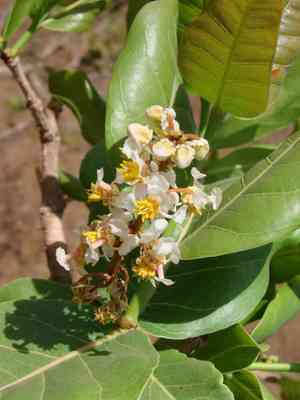
Locustberry, a species within the Malpighiaceae lineage, is recognized for its appealing blossoms and fruit production. For effective propagation of locustberry, obtain semi-hardwood sections, verifying their freedom from any pathogens. Employ a rooting stimulant to foster root growth and embed them in porous soil to avert excessive moisture. Maintain the cuttings in a moist atmosphere with diffused light until their root systems are firmly established. Consistent spraying can aid in fulfilling their hydration requirements throughout this phase.
Optimal Period for Locustberry Propagation
Propagation Method
Cutting
Propagation Period
Autumn,Winter
Essential Tools for Locustberry Propagation
Pruning Shears
These are vital for obtaining healthy cuttings from locustberry. Pruning shears must be sharp and clean to ensure precise cuts, thereby minimizing stress and the potential for disease transmission to the plant. Sanitize blades to prevent infections.
Rooting Hormone
This is critical for stimulating root growth in locustberry cuttings. Applying a rooting hormone to the severed end of the cutting enhances the likelihood of successful rooting by encouraging root development, particularly in species that root slowly.
Propagating Trays
These trays are utilized to hold cuttings during the rooting process. They offer a controlled environment and maintain the necessary humidity and moisture levels that support the growth of locustberry's cuttings.
Sterile Soil or Growing Medium
A well-draining, sterile substrate, such as a blend of perlite and peat moss, is recommended. This ensures cuttings are placed in an ideal environment that reduces the risk of fungal infections and maximizes air circulation for developing roots.
Humidity Dome
Used to cover propagating trays, a humidity dome ensures high humidity, which is crucial for preventing cuttings from drying out and aiding successful rooting of locustberry cuttings.
Spray Bottle
A spray bottle is employed to regularly mist the cuttings, maintaining high humidity without over-saturating the soil. This helps keep locustberry cuttings hydrated and reduces stress as they form roots.
Heat Mat
A heat mat provides warmth from below, which can be especially beneficial for locustberry, promoting root growth by maintaining a consistent and warm soil temperature, particularly in cooler climates or seasons.
Steps to Propagate Locustberry
Propagation Difficulty
Moderately Difficult
Post-Propagation Care for Locustberry
Post-Propagation Care for Locustberry
After propagating locustberry, keep the soil consistently moist but avoid waterlogging, and position the plant in a spot receiving bright, indirect sunlight. Gradually introduce locustberry to more direct sunlight over time. Fertilize sparingly with a balanced, water-soluble fertilizer every four to six weeks. Regularly inspect for pests and diseases, and prune as needed to maintain the plant's form and encourage denser growth.
Common Errors to Avoid During Locustberry Propagation
Overwatering
Excessive watering can lead to root rot and fungal diseases, which are harmful to locustberry's health.
Incorrect Soil Mix
Using a soil blend that retains too much moisture or lacks proper drainage can hinder growth and impair root development.
Insufficient Light
Placing propagated cuttings in low-light conditions can impede photosynthesis, slowing growth and weakening the plant.
Improper Cutting Techniques
Taking cuttings with unsanitized tools or making cuts in the wrong location can introduce disease and compromise the cutting's ability to root.
Inadequate Humidity
Failure to maintain sufficient humidity levels can cause cuttings to dry out and prevent root establishment.
Advice for Propagating Locustberry
Well-Draining Soil
Utilize a soil mix with excellent drainage capabilities to prevent waterlogging and foster healthy root development.
Sterilize Tools
Always use sterile tools when taking cuttings to minimize the risk of introducing pathogens.
Adequate Light
Position cuttings in a location with bright, indirect sunlight to ensure sufficient energy for growth without causing leaf scorch.
Maintain Humidity
Keep humidity levels high around the cuttings by using a plastic cover or misting regularly to facilitate rooting.
Rooting Hormone
Employ a rooting hormone to encourage faster and more robust root formation.



