How to Transplant Elephant tree?
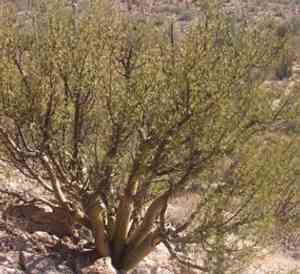
For elephant tree, the ideal period for relocation is from the latter part of spring into the initial weeks of summer, which encourages strong root development. A bright spot with soil that drains effectively is crucial. Careful management of the root mass is vital for a successful transplant.
What Preparations are Needed Before Transplanting Elephant Tree?
What is the Ideal Time for Transplanting Elephant Tree?
The optimal period for relocating elephant tree is from late spring to early summer. During this phase, mild temperatures and extended daylight hours promote robust root development. Moving elephant tree within this timeframe enhances its adaptability, allowing it to establish itself prior to the intense summer heat or winter dormancy. The moderate weather ensures a smooth transition, reducing stress on elephant tree and improving post-transplantation survival rates.
How Much Space Should You Leave Between Elephant Tree Plants?
To ensure healthy development for your elephant tree, remember to space the transplanted individuals approximately 3-5 feet (about 0.9-1.5 meters) apart. This provides ample room for each plant to expand without overcrowding.
What is the Best Soil Mix for Elephant Tree Transplanting?
For elephant tree, the soil type should be well-draining. A sandy or loamy soil will perform best. Furthermore, enriching the soil with a foundational fertilizer abundant in essential nutrients will help guarantee a strong and thriving plant.
Where Should You Relocate Your Elephant Tree?
When choosing an ideal location for your elephant tree, remember that sunlight is crucial! These plants flourish in full sun, so select an area in your garden where it can absorb plenty of rays throughout the day.
What Equipments Should You Prepare Before Transplantation Elephant Tree?
Shovel or Spade
These tools are used for excavating the plant from its original spot and at the new site. They will safeguard the plant's roots during the relocation process.
Gardening Gloves
To protect your hands while working with the soil and plant material.
Hand Trowel
Useful for refining the planting hole, or extracting the plant from a smaller container.
Garden Hose or Watering Can
For supplying the necessary moisture before, during, and after the planting procedure.
Pruning Shears
To trim any damaged roots or branches of the elephant tree during the transplanting operation.
How Do You Remove Elephant Tree from the Soil?
How Do You Remove Elephant Tree from the Soil?
From Ground: Start by watering the elephant tree plant to moisten the soil. This facilitates easier digging and lessens root stress. Then, use a spade or shovel to dig around the plant, ensuring the root ball remains intact. Carefully work the spade beneath the root ball to lift the plant from the ground.From Pot: Thoroughly water the potting soil. Invert the pot while gently supporting the elephant tree at its base. Lightly tap the bottom of the pot to dislodge the plant. If it doesn't come out, run a knife around the pot's interior to loosen the soil and roots.From Seedling Tray: Water the seedlings to dampen the soil. Gently hold the leaf, not the stem, of the elephant tree plant and carefully ease the seedling out from the tray, taking care to keep the roots undamaged. Loosen the roots slightly before transplanting.
Step-by-Step Guide for Transplanting Elephant Tree
Preparation
Water the elephant tree plant in its current location a day prior to transplanting to minimize shock.
Transport
Handle the elephant tree plant with care when moving it from its original spot to the new one to protect the root ball.
hole preparation
Excavate a hole in the new location. The hole should be twice the width of the plant's root ball and of the same depth.
Positioning
Place the elephant tree plant in the hole so it sits at the same level as it did in its previous location, being careful not to bury the trunk.
Backfilling
Refill the hole with soil, gently firming the soil around the root ball.
Watering
Provide the elephant tree plant with a thorough watering immediately after transplanting, to help settle the soil.
How Do You Care For Elephant Tree After Transplanting?
Care
Observe the elephant tree regularly for several weeks post-transplant. Look for indications of stress or shock, such as wilting or changes in leaf coloration. If these symptoms appear, provide shade or adjust watering.
Watering Frequency
Water the elephant tree according to its needs and soil moisture levels. It generally requires more irrigation after transplant until it becomes established.
Pruning
Avoid significant pruning immediately after transplanting as this can cause additional stress to the plant. Wait a few weeks before undertaking any major trimming.
Disease Control
Watch for signs of disease or pests. Utilize organic pest control methods if necessary, and maintain good hygiene around your transplant area.
Troubleshooting Common Issues with Elephant Tree Transplantation.
When is the best time to transplant elephant tree?
The optimal time to relocate elephant tree is from late summer to early fall (S3-S4). This allows the plant sufficient time to establish roots before winter arrives.
How much space should I leave between each elephant tree when transplanting?
It's advisable to position elephant tree approximately 3-5 feet (0.9-1.5 meters) apart. This provides adequate room for growth and reduces competition for nutrients and water.
What size of pot should I use for transplanting elephant tree?
Select a pot that is 15-25% larger than the root ball. This gives the plant space to grow, but not so much that the soil remains waterlogged, which could lead to root rot.
What is the ideal soil condition for transplanting elephant tree?
Elephant tree prefers soil that drains well. Excessively damp conditions can result in fungal problems. Incorporating perlite or sand can enhance drainage if your soil is heavy clay.
Do I need to prune elephant tree before transplanting?
Yes, lightly prune elephant tree before transplanting. This helps to lessen plant stress and encourage new growth once it's relocated.
What's the best way to water elephant tree after transplanting?
After transplanting elephant tree, water thoroughly but not frequently. This aids in establishing deep roots. However, prevent waterlogging as it can cause root rot.
How deep should I plant elephant tree when transplanting?
Place elephant tree in the hole so that the top of its root ball is level with or slightly above the surrounding soil. This helps prevent water from accumulating around the stem.
How do I handle the roots of elephant tree during transplanting?
Gently separate the roots if they are circling. This encourages them to extend outwards into the new soil. Be sure to handle them delicately to avoid damage.
Should I fertilize elephant tree immediately after transplanting?
Avoid fertilizing elephant tree right after transplanting. Allow it a few weeks to settle. Then, use a balanced, slow-release fertilizer as instructed on the packaging.
How can I minimize transplanting shock in elephant tree?
To reduce transplant shock, try to disturb the root ball as little as possible. You can also apply a transplanting solution containing root growth hormones to assist recovery.



