How Much Sunlight Do Elephant tree Need?
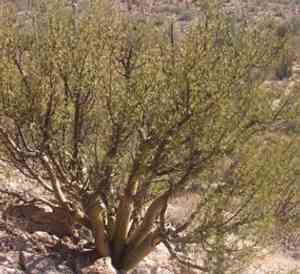
1
Elephant trees flourish when exposed to a minimum of 6 hours of direct sunlight each day.
2
Some shade can be advantageous in areas experiencing exceptionally hot weather.
3
Refrain from placing the tree in locations receiving minimal or no sunlight to avoid insufficient light.
Optimal Sunlight for the Elephant Tree
Direct Sun Requirement
The Elephant tree flourishes with ample direct sun, ideally receiving a minimum of six hours of unfiltered sunlight daily. This light level is vital for its development and overall vitality. When situated in full sun, its distinctive, thick trunk efficiently stores water, enabling it to thrive in dry conditions. Full sun also promotes the growth of its aromatic leaves and small white blossoms, enhancing its visual appeal. For best results, position your Elephant tree where it can absorb sunlight for most of the day.
Considerations for Partial Shade
In areas experiencing extremely high temperatures, some partial shade can benefit the Elephant tree. Partial shade means the plant gets a mix of sun and shadow throughout the day, shielding it from intense afternoon heat. While the tree is quite resilient, offering some relief from scorching sun can prevent leaf damage and reduce water loss. However, ensure the tree still receives significant sunlight in the early morning or late afternoon, as this is crucial for its development.
Placing Your Elephant Tree for Ideal Sunlight
Optimal Outdoor Spots
For outdoor cultivation, the Elephant tree should be placed in a spot that gets uninterrupted sunlight for most of the day. Excellent locations include south-facing gardens or open areas with minimal shading from other plants or structures. Avoid positioning the tree too close to taller vegetation or buildings that could cast prolonged shadows. If you're in a particularly hot region, consider areas that offer some natural shade during the hottest part of the day to minimize stress on the tree.
Indoor Placement Advice
When cultivating an Elephant tree indoors, its placement is crucial. Position the tree near a large, south-facing window to maximize its exposure to natural light. If natural sunlight is limited, supplement with grow lights for at least six hours daily. Ensure the indoor environment closely mimics outdoor lighting conditions to maintain the tree's health and vigor. Rotate the tree periodically to ensure even light absorption and prevent lopsided growth.
Mistakes to Avoid: Common Sunlight Errors with the Elephant Tree
Risks of Overexposure
While the Elephant tree thrives in full sunlight, excessive exposure to extreme heat can be harmful. Too much sunlight, especially during intense heatwaves, can cause leaves to scorch, leading to dehydration and stress. Monitor the tree's foliage, particularly in peak summer, and if you observe signs of leaf burn, provide temporary shade or water the plant more frequently to maintain its moisture levels.
Problems with Underexposure
Insufficient sunlight can hinder the Elephant tree's growth, resulting in a weak stem and poor foliage development. Symptoms of underexposure include pale leaves, elongated stems, and a lack of flowering. To prevent these issues, ensure the tree receives its required daily sun exposure, and avoid placing it in overly shaded or enclosed areas where light penetration is inadequate.
Seasonal Sunlight Care for Your Elephant Tree
Summer Sunlight Management
During summer, sunlight intensity can be very high. It's important to watch the tree for signs of heat stress, such as wilting or scorched leaves. If these signs appear, consider providing temporary afternoon shade using a light cloth or moving potted plants to shadier spots. Regular watering is essential during this season to counteract the increased evaporation rate.
Winter Sunlight Adjustments
Winter presents a unique challenge with fewer daylight hours and weaker sunlight. To keep your Elephant tree healthy, place it in the brightest available spot, ideally a south-facing area. Indoors, you might need to use grow lights to compensate for reduced natural light. Also, check for any drafts from windows and doors, as these can stress the plant.



