The Elephant tree Plant Advantage: Maximizing Home and Office Appeal and Wellness
1
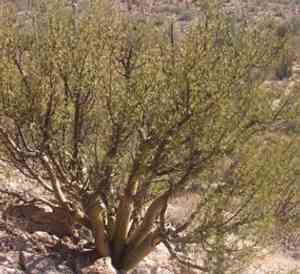
The Elephant tree flourishes in dry climates, making it an ideal choice for your water-wise landscape.
2
The sap from the Elephant tree has historically been utilized for diverse practical applications.
3
Elephant tree enhances ecological diversity, providing sustenance for numerous animal species.
What Are the Environmental Benefits of Elephant tree?
Drought Tolerance
A key ecological advantage of the Elephant tree is its remarkable capacity to flourish in dry environments. This trait makes it perfect for xeriscaping, a landscaping method designed to lessen or eliminate the need for watering. By incorporating Elephant tree into your garden, you can create a beautiful, sustainable landscape that conserves water and thrives with minimal upkeep. Moreover, the Elephant tree's water-efficient nature means it requires fewer resources, like fertilizers and pesticides, making it an environmentally friendly option.
Supporting Biodiversity
Elephant tree plays a vital role in sustaining local ecosystems. Its robust branches and leaves offer refuge and sustenance for various wildlife, including birds, insects, and small mammals. This enhancement of biodiversity improves the overall health of the ecosystem, making it more resilient to environmental shifts and pressures. Furthermore, the Elephant tree's blossoms attract pollinators such as bees and butterflies, contributing to the well-being of the wider plant community.
How Can Elephant tree Be Used Practically?
Traditional Uses of Resin
The resin from the Elephant tree has been utilized for centuries in various practical applications. Historically, indigenous communities employed the resin for waterproofing and as an adhesive. Its sticky, viscous consistency makes it ideal for sealing containers and mending tools. The resin is also recognized for its aromatic qualities, frequently used in incense and other scented items, adding a pleasant fragrance to homes and ceremonies.
Modern Garden Uses
Today, the Elephant tree is valued in contemporary gardens as both a decorative and functional plant. Its distinctive appearance, characterized by thick, twisted branches and small, succulent leaves, adds a unique aesthetic appeal to gardens. It is commonly used as a focal point in rock gardens and xeriscapes. Additionally, the Elephant tree can be trained and pruned into bonsai forms, offering an engaging pursuit for plant enthusiasts.
What Makes Elephant tree a Low-Maintenance Plant?
Minimal Watering Needs
A prominent characteristic of the Elephant tree is its low maintenance requirements. Unlike many other garden plants, the Elephant tree can endure extended periods without water, thanks to its deep root system and water-storing abilities. This reduces the need for constant irrigation and makes it an excellent choice for busy gardeners or those in drought-prone regions. Once established, the Elephant tree is exceptionally resilient and needs very little care beyond occasional trimming.
Pest and Disease Resistance
The Elephant tree exhibits remarkable resistance to common plant pests and diseases, further contributing to its low-maintenance nature. Its tough, leathery leaves and bark are less appealing to many insect pests, and it rarely suffers from the fungal infections that can afflict other plants. This natural resilience ensures that the Elephant tree remains healthy and attractive year-round with minimal intervention from the gardener.
How Can Elephant tree Benefit Your Landscape Design?
Aesthetic Appeal
The Elephant tree offers a distinctive aesthetic appeal that can enhance various landscape designs. Its thick trunk and unique branching patterns create a striking visual impact. Whether used as a solitary specimen or as part of a diverse plant arrangement, the Elephant tree can elevate the visual interest of your garden. Its ability to thrive in rocky and sandy soils also makes it an excellent candidate for rock gardens or desert-themed landscapes.
Seasonal Interest
While the Elephant tree is renowned for its rugged, evergreen foliage, it also provides seasonal interest with its small, inconspicuous flowers and eventual fruit pods. These elements can add subtle yet charming touches to your garden throughout the year. When the plant blooms, it attracts a variety of pollinators, bringing life and movement to the landscape, further enriching the garden's ecological balance.
Why Choose Elephant tree for Sustainable Landscaping?
Contribution to Soil Health
Beyond its environmental and aesthetic advantages, the Elephant tree also positively impacts soil health. Its deep root systems help prevent soil erosion by stabilizing the soil structure. This is particularly beneficial in areas susceptible to wind erosion. Over time, the fallen leaves and organic matter from the Elephant tree decompose and enrich the soil, providing essential nutrients and enhancing soil fertility naturally. This makes the surrounding environment more favorable for other plants to thrive as well.
Reduction of Urban Heat Island Effect
The Elephant tree can be a valuable asset in urban environments where the heat island effect is a concern. Its capacity to provide shade and lower ground temperatures makes it a strategic addition to urban landscaping projects. By strategically placing Elephant trees around buildings and public spaces, you can help reduce local temperatures, thereby decreasing the need for air conditioning and energy consumption. This not only benefits the immediate surroundings but also contributes to broader urban sustainability goals.



