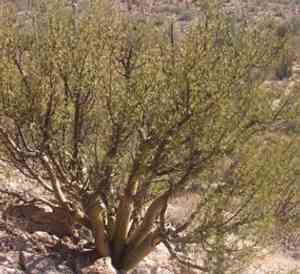
Elephant tree (Bursera microphylla)
Also known as: Littleleaf elephant tree
The Elephant Tree (Bursera microphylla) is a rare species found in the deserts of Southern California and Mexico. This unique tree features cinnamon-colored bark that peels as it ages. Its twisted stems bear small compound leaves, and its remarkable trunk stores water, similar to an elephant's ability to retain moisture. The Elephant Tree is highly sensitive to cold temperatures and cannot withstand any frost.
In This Article
Attributes of Elephant tree
Lifespan
Perennial
Plant Type
Tree
Plant Height
5 m
Spread
1.5 m
Leaf Color
Green
Flower Size
Less than 1 centimeter (0.4 inches)
Flower Color
White Yellow
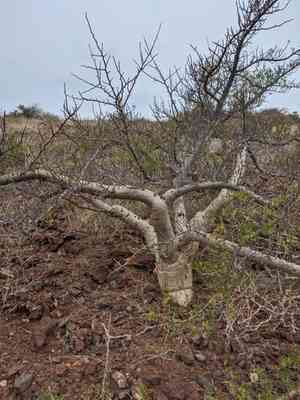
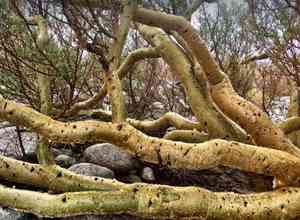
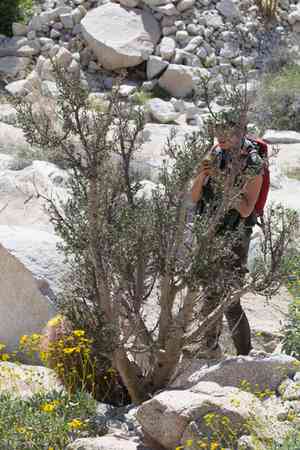
Images of Elephant tree
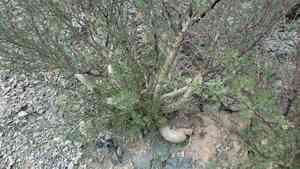
Quickly Identify Elephant tree
1
The Elephant Tree can be identified by its thick, succulent trunk, peeling reddish bark, and small, pinnate leaves. It also produces small, white to greenish-yellow flowers and red, globular fruits.
Scientific Classification of Elephant tree
Phylum
Vascular plants
Class
Dicotyledons
Order
Sapindales
Family
Torchwood
Genus
Bursera
Species
Elephant tree
Planting and Growing of Elephant tree
Care Difficulty
Easy
Watering Schedule
Every 2 days
Sunlight Requirements
Full sun
Sunshine Duration
6-10 hours
Ideal Temperature
68-86℉
Soil Type
Potting Mix, Peat Mix
Soil pH
6.5-7.5
Fertilizer Type
Balanced
Pruning Season
Spring, Summer
Pruning Area
Branches, Leaves
Pruning Frequency
2 times a year
Repotting Season
Spring
Pot Type
Plastic, Ceramic
 How to Water Elephant tree?
Bursera microphylla should be watered in a way that saturates the soil without leaving it waterlogged. The right approach is to ensure that water reaches the root system, but the soil should not be soggy. Typically, providing about 200 ml of water per session should suffice, but always check soil moisture to adjust accordingly.
What are the symptoms of an underwatered Elephant tree?
›
What should I do if my Elephant tree is not getting enough water?
›
What are the symptoms of an overwatered Elephant tree?
›
How to save an overwatered Elephant tree?
›
 What Are the Sunlight Requirements for Elephant tree?
Bursera microphylla thrives best in conditions with full sun to partial sun, ideally receiving 6 to 8 hours of light daily. This light range supports robust photosynthesis, encouraging vigorous growth, healthy foliage, and optimal flowering, enhancing the plant's natural beauty.
More About Sunlight Requirements Techniques→
What is the best location for Bursera microphylla?
›
How can you ensure sufficient light indoors?
›
Why is adequate lighting vital for Bursera microphylla?
›
 What Is the Ideal Temperature Range for Elephant tree?
The ideal temperature range for cultivating Bursera microphylla is between 68°F to 86°F. These temperatures resemble its native environment, allowing for optimal growth and development. Consistent moderate warmth aids in healthy foliage and robust branch formation.
 What Soil is Best for Elephant tree?
Bursera microphylla thrives in well-drained soils, which prevent waterlogging that can lead to root rot. This type of soil facilitates proper aeration and encourages healthy root development crucial for nutrient uptake. Although Bursera microphylla can tolerate poorer soils, it appreciates a nutrient-rich environment that supports more vigorous growth and better resilience against environmental stressors. A stable soil structure aids in anchoring the plant securely, allowing it to withstand high winds typical in its natural arid environment. This soil characteristic helps maintain the plant's upright growth habit.
 How to Fertilize Elephant tree?
Bursera microphylla prefers modest fertilization due to its adaptation to arid conditions. Generally, use half the recommended amount on the package. For liquid fertilizers, dilute them to half strength to avoid foliage burning or over-fertilization symptoms.
 How to Prune Elephant tree?
Before starting to prune, observe the plant's natural growth structure. Focus on maintaining this natural form to enhance its beauty and health. Start by removing any dead or diseased branches. This not only keeps the plant healthy but also allows sunlight and air to penetrate the canopy, reducing the risk of further disease. Make cuts just above a node or intersecting branch to encourage new growth. Making cuts at the right place is crucial for promoting a strong and balanced growth pattern.
 How to Propagate Elephant tree plant?
1
Collect seeds from a mature Bursera microphylla plant, ensuring they are fully ripened. Clean them gently to remove any attached fruit pulp to prevent rot.
2
Select healthy stems from the plant. Cut about 10 cm long sections, ensuring there are a few leaf nodes. Remove lower leaves to reduce moisture loss.
3
Use well-draining soil for planting seeds or inserting cuttings. Gently cover them with soil, ensuring the base of cuttings is below the surface for stability.
 How to Repot Elephant tree plant?
1
Bursera microphylla should be considered for repotting when the roots begin to outgrow their current pot, or if you notice that water isn't draining as efficiently as before. These signs often indicate that the plant is getting cramped or the soil has become compacted, limiting root growth and nutrient uptake.
2
Opt for a pot that is slightly larger than the current one, with sufficient drainage holes to prevent waterlogged soil. A well-sized pot not only gives extra room for growth but also promotes healthy breathing for the roots, aiding in the plant's overall health.
3
Use a well-draining cactus mix as it's formulated to mimic the plant's natural desert habitat. Such soil provides the perfect balance of nutrients and aeration, promoting root health and preventing rot due to overwatering.



