How to Transplant Dog tail?
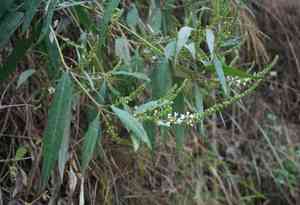
Optimal transplantation occurs as winter's cold recedes, with dog tail flourishing when relocated during the mild temperatures of early to late spring. Choose a bright location featuring soil that drains effectively to foster vigorous development. Provide encouraging, helpful guidance for maintaining plant health.
What Preparations are Needed Before Transplanting Dog Tail?
What is the Ideal Time for Transplanting Dog Tail?
The optimal period for relocating dog tail is during the spring awakening, when temperatures are moderate. This timeframe allows dog tail to establish roots in its new spot without the stress of extreme cold or heat. Giving dog tail a spring move encourages vigorous growth and a smooth adaptation to its new environment, ensuring a lush, vibrant display throughout the growing season. Embrace this season for transplanting, as the mild weather conditions are crucial for nurturing dog tail's successful transition.
How Much Space Should You Leave Between Dog Tail Plants?
When finding a new home for your dog tail, aim for sufficient space for them to thrive. Spacing them approximately 5-6 feet apart (roughly 1.5-1.8 meters) is ideal. This provides each dog tail ample room to grow without competing for resources.
What is the Best Soil Mix for Dog Tail Transplanting?
For dog tail, the perfect bed is well-draining soil enriched with nutrients and a starter fertilizer. Aim for a fertile mix, perhaps combining loam, compost, and a slow-release fertilizer to help your dog tail settle in and flourish.
Where Should You Relocate Your Dog Tail?
Locate a sunny spot that receives at least 6 hours of daily sunlight for your dog tail. They thrive in the sun! This will ensure they get adequate light to grow strong and produce abundant blooms.
What Equipments Should You Prepare Before Transplantation Dog Tail?
Gardening Gloves
To safeguard your hands while handling soil and plants.
Shovel or Spade
For excavating and lifting the plant from its current position.
Garden Fork
To loosen the soil around the plant's roots with minimal damage.
Watering Can or Hose
To hydrate the plant before and after relocation.
Wheelbarrow
For moving the dog tail to its new site.
Pruning Shears
For trimming any damaged roots or foliage prior to transplanting.
Trowel
For making adjustments in the planting hole and final placement.
Mulch
To help maintain soil moisture and regulate temperature around the new planting area.
How Do You Remove Dog Tail from the Soil?
How Do You Remove Dog Tail from the Soil?
From Ground: First, thoroughly water the dog tail to loosen the soil. Using a shovel or spade, dig a circle around the plant wide enough to encompass all its roots. Carefully slide the shovel beneath the root ball to lift the dog tail out of the ground with as much of the root system intact as possible.From Pot: Water the soil in the pot before removing the dog tail to facilitate easier extraction. Tilt the pot to the side and gently tap the base to dislodge the dog tail from the pot. Grasp the base of the dog tail and ease it out, being careful not to pull on the stems.From Seedling Tray: Water the seedlings before transplanting to ensure the soil is moist. Use a trowel or your fingers to gently lift the dog tail seedling out of the tray, taking care to keep the root ball and surrounding soil as undisturbed as possible.
Step-by-Step Guide for Transplanting Dog Tail
Preparing the New Location
Dig a hole in the ground that is twice as wide and just as deep as the root ball of the dog tail. Loosen the soil at the bottom of the hole with a garden fork, which will make it easier for the plant's roots to grow into the surrounding soil.
Root Pruning
Inspect the dog tail's roots and use pruning shears to trim away any broken or excessively long roots. This will encourage new growth and help the plant quickly establish itself in its new location.
Planting
Place the dog tail into the center of the hole, ensuring that it sits at the same depth it was growing at before. Gently fill in around the root ball with soil, and press down around the base of the plant to remove any air pockets.
Watering After Planting
After planting, water the dog tail thoroughly to settle the soil and eliminate air pockets. The water will also help the roots make good contact with the new soil, which is essential for root establishment.
Applying Mulch
Apply a layer of mulch around the base of the dog tail, leaving some space clear of mulch right up against the stem. This will help to keep the soil moist and reduce weed competition.
How Do You Care For Dog Tail After Transplanting?
Watering
Continue to water the dog tail regularly, ensuring the soil stays evenly moist to encourage strong new root growth. Adjust your watering based on weather conditions to prevent waterlogging or drying out.
Pruning
If any parts of the dog tail become damaged or diseased after transplanting, prune these areas to encourage healthy growth. However, avoid heavy pruning as the plant needs to focus on root establishment.
Support
If the dog tail is tall or appears unstable after transplanting, provide support with garden stakes or a trellis to help it withstand wind and rain while its roots are settling in.
Monitoring
Keep an eye on the dog tail for signs of stress, such as wilting or yellowing leaves, and address any issues promptly to ensure a successful transplant.
Troubleshooting Common Issues with Dog Tail Transplantation.
What's the best time to transplant dog tail for successful growth?
Ideally, you should move dog tail in mid to late spring, when the weather is mild and the plant can quickly establish its roots in the new location.
How far apart should I plant multiple dog tails?
Allow room for growth by spacing dog tails about 5-6 feet (1.5-1.8 meters) apart to ensure they get ample sunlight and airflow.
What soil conditions favor dog tail after transplanting?
Use well-draining soil with good fertility. Dog tail prefers a pH between slightly acidic to neutral.
How do I prepare dog tail for a transplant?
Gently prune the plant if necessary, water thoroughly a day before, and ensure you take as much root ball as possible during the move.
My dog tail looks wilted post-transplant, what should I do?
Ensure it's adequately watered and protected from strong sunlight or winds while it recovers. Consistent watering should help dog tail bounce back.
How deep should I dig to transplant dog tail?
Dig a hole twice as wide and just as deep as the root ball of the dog tail, to give roots a good start without burying the stem too deep.
Can I transplant dog tail during the fall?
Transplanting dog tail in fall isn't recommended as it may not have enough time to establish before winter. Stick to the optimal spring schedule.
How much water does dog tail need after transplanting?
Water dog tail generously immediately after transplanting and then regularly, letting the soil dry slightly between waterings to encourage deep root development.
Should I fertilize dog tail after transplanting?
Wait a few weeks before fertilizing to allow dog tail to adjust to the new location and avoid burning the roots with fertilizer.
What are the signs of transplant shock in dog tail?
Drooping or yellowing leaves, wilting, and stunted growth are typical signs. Proper care and time usually help dog tail recover from transplant shock.



