How to Prune Dog tail?
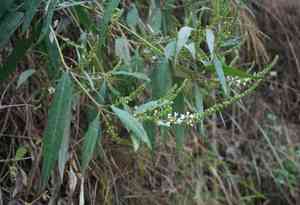
The plant known as Dog tail, recognized for its flowing bunches of aromatic blossoms, flourishes with consistent trimming. Essential methods involve removing aged branches and snipping off faded flowers to stimulate fresh development and a greater abundance of blooms. The best periods for this are from late spring to early summer, following the flowering phase. Trimming guarantees a dense form and enhanced air movement, thereby lowering the chance of disease. Always limit pruning to no more than one-third of the plant to prevent undue strain. Adhering to this practice will result in a more robust and visually appealing shrub.
What Are the Benefits of Pruning Dog Tail?
What Are the Benefits of Pruning Dog Tail?
Trimming dog tail encourages blooming and deters pest infestations. This action promotes new development, leading to more robust plants with abundant flowers. Regular trimming preserves the health and aesthetic shape of dog tail.
What Is the Best Time for Pruning Dog Tail?
What Is the Best Time for Pruning Dog Tail?
Pruning dog tail in late spring or early summer is beneficial as it coincides with the end of its initial growth spurt, leading into a period of vigorous development. During late spring, the risk of frost has passed, meaning pruning cuts are less likely to suffer cold damage. In early summer, dog tail is entering a phase where it can quickly recover and continue to produce new growth, ensuring strong health. Furthermore, timely pruning in these seasons helps to shape the plant, stimulates the development of new flower buds, and prevents dog tail from becoming leggy. It's crucial not to prune dog tail too late in the season, as this can disrupt the flowering cycle or make the plant susceptible to early frost damage on new growth.
What Tools Do I Need to Prune Dog Tail?
Hand Pruners
Dog tail can reach a mature size that is relatively small to medium, meaning hand pruners will suffice for most pruning tasks. The blades are designed to make clean cuts without damaging the branches, ideal for maintaining the health of dog tail.
Pruning Saws
For older dog tail plants with thicker branches, a pruning saw may be necessary. The saw should be used for branches that are too thick to be cut by hand pruners, reducing the risk of injury to the plant and the gardener.
Loppers
If dog tail has branches that are slightly too thick for hand pruners but not thick enough to necessitate a saw, loppers can be used. They provide good leverage and can make clean cuts on branches up to 1 1/2 inches in diameter.
Gloves
While not a cutting tool, gloves are essential to protect the gardenerâs hands from scratches and potential skin irritation while pruning dog tail.
Sharpening Tool
Keeping the blades of all pruning tools sharp ensures that cuts are clean and precise, which is important for the plant's health and recovery after pruning.
How to Prune Dog Tail
Remove diseased and withered parts
Inspect dog tail for any signs of disease or withering. Carefully remove all diseased leaves, withered leaves, and withered flowers using clean, sharp pruning shears. Make clean cuts to avoid damaging healthy tissue.
Clear dead wood
Identify and remove dead branches from dog tail, cutting back to the point of healthy wood. This step is crucial for preventing disease and pests from settling in the deadwood.
Thin dense growth
Thin out excessive growth branches to improve light penetration and air circulation within dog tail's canopy. Selectively prune the most crowded areas, being careful not to remove more than a third of the plant in a single pruning session.
Shape plant
Shape dog tail by shortening long branches to maintain a balanced structure. Focus on branches that disrupt the plant's natural form, but always ensure that pruning cuts are made just above a leaf node or bud.
Disinfect tools
After pruning dog tail, disinfect all tools used to prevent the spread of pathogens. This step is essential after dealing with diseased parts and will help maintain dog tail's health.
Common Pruning Mistakes with Dog Tail
Overpruning
Removing too much foliage in one pruning session can stress dog tail, leading to poor growth or reduced flowering. It's important to prune no more than one-third of the plant at a time.
Improper cut location
Cuts made either too close or too far from the node can result in poor healing and put dog tail at increased risk of disease. Cuts should be made just above an outward-facing node or bud.
Using dull tools
Dull pruning shears or knives can damage the branches of dog tail, creating jagged cuts that are more susceptible to pests and diseases. Always use sharp, clean tools for pruning.
Shearing
Shearing dog tail into formal shapes disrupts its natural growth pattern and can diminish its blooming potential. Dog tail prefers a more natural form, with selective thinning out of branches.
Neglecting damaged limbs
Failing to remove dead, damaged, or diseased limbs can impair the overall health and appearance of dog tail. This maintenance pruning is crucial for the plant's vitality.
Common Pruning Tips for Dog Tail
Selective pruning
Thinning out specific branches of dog tail encourages better air circulation and light penetration, which promotes healthy growth and flowering. Target older stems and crowded areas.
Rejuvenation pruning
If dog tail becomes overgrown or woody, consider cutting back a portion of its oldest stems to the base. This encourages fresh growth and rejuvenates the plant's appearance.
Maintaining shape
While dog tail does not necessitate strict shaping, lightly trimming the plant can help maintain an attractive, natural form and encourage denser foliage.
Post-bloom care
After dog tail has flowered, pruning spent blooms can stimulate a second flowering in some cases and helps prevent self-seeding if thatâs a concern.
Health and hygiene
Disinfect tools before and after pruning to prevent the spread of diseases, and always remove and dispose of any pruned diseased material far from dog tail to maintain plant health.



