How to Propagate Dog tail?
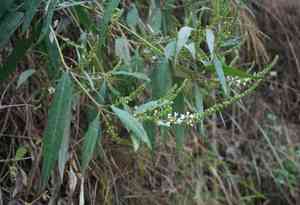
Dog tail flourishes when reproduced via cuttings, a technique that fosters robust root formation. To achieve successful propagation, choose vigorous, mature stalks and prepare them using sterile, sharp implements to avert illness. The cuttings ought to be placed in a potting blend that drains effectively to stimulate prime development. Regular irrigation and guaranteeing sufficient solar exposure will additionally aid in the establishment of sturdy root networks.
What Is the Best Time To Propagate Dog Tail?
Propagation Type
Cutting
Propagation Season
Spring,Summer
What Tools Are Used in Dog Tail Propagation?
Sharp Pruning Shears
These are vital for obtaining healthy, clean cuts from the parent dog tail. Sharp blades ensure a precise cut without crushing plant tissues, which is crucial to prevent damage and infection. The cleanliness of the cut impacts rooting success, making pruning shears indispensable for cutting propagation.
Rooting Hormone
This chemical substance encourages root development when applied to the freshly cut base of dog tail cuttings. It significantly boosts the chance of successful rooting by stimulating root growth at the cut site, thereby enhancing the overall viability of the new plants.
Sterile Potting Mix
A well-draining, disease-free potting mix offers an ideal environment for dog tail cuttings to root and flourish. Using a sterile mix helps prevent disease and fungus, which could otherwise compromise the fragile new roots and the health of the saplings.
Propagation Tray
These trays are useful for organizing multiple dog tail cuttings in a compact, efficient space. Trays should have adequate drainage and be compatible with humidity domes to maintain the necessary moist environment for rooting cuttings.
Humidity Dome
This tool helps maintain a high humidity environment around new dog tail cuttings, crucial for preventing the delicate cuttings from drying out before roots develop. The dome also aids in temperature regulation, creating a microclimate conducive to growth.
How to Propagate Dog Tail?
Propagation Type
Moderately Difficult
How to Care for Your Newly Propagated Dog Tail?
How to Care for Your Newly Propagated Dog Tail?
Once roots have formed, gradually acclimate the young dog tail plants to less humid conditions by opening the propagator or making holes in the plastic cover. After adaptation, transplant them into larger pots with standard potting mix. Position the plants in bright, indirect sunlight and maintain consistent moisture. Prevent waterlogging by ensuring good drainage. Regular pruning in late winter or early spring promotes bushier growth and improves air circulation, reducing disease risk.
Common Mistakes to Avoid When Propagating Dog Tail
Overwatering
Excessive watering of dog tail during propagation can lead to root rot, which is detrimental as it prevents the plant from establishing a healthy root system. Too much moisture creates an anaerobic environment, fostering fungi and bacteria harmful to young roots.
Using unsterilized tools
Propagation often involves cutting, which exposes dog tail to potential infection. Using unsterilized tools can transfer pathogens to the cut surfaces, increasing the risk of diseases that can hinder or prevent rooting.
Ignoring soil conditions
Choosing the wrong soil mix for propagating dog tail can be a critical error. Dog tail requires well-draining soil to prevent root issues but still needs enough moisture retention for healthy growth. Unsuitable soil can either cause waterlogging or excessively rapid drying, both of which can negatively affect root development.
Planting cuttings too deep
When stem cuttings of dog tail are planted too deeply, it can lead to issues with rotting before the cuttings have a chance to root. Proper insertion depth is crucial for promoting root initiation and aerial growth.
Tips For Propagating Dog Tail
Use of rooting hormones
Applying a rooting hormone to dog tail cuttings can significantly enhance root development. The hormones stimulate root growth and help the cutting establish itself more quickly and effectively.
Maintain optimal humidity
Keeping the propagation environment of dog tail humid encourages root growth and prevents the cuttings from drying out. Using a humidity dome or a simple plastic bag can create a beneficial microclimate.
Adequate light and warmth
While dog tail cuttings require light for growth, direct sunlight can be too harsh, leading to desiccation. Providing bright, indirect light alongside moderate warmth supports healthy development without the risk of burning or overheating the young plants.
Careful monitoring and adjustment
Regularly inspecting dog tail cuttings for any signs of distress or disease allows for timely interventions. Adjustments in watering, lighting, or positioning can significantly influence the success rate of propagation.



