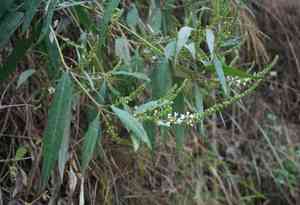
Dog tail (Buddleja asiatica)
Also known as: Asiatic butterfly-bush
*Buddleja asiatica*, commonly known as dog tail, is a versatile wildflower valued for its use as animal fodder. In Nepal, the Thangmi community crafts wedding necklaces from its beautiful white blossoms. This plant enjoys popularity as a garden flower and has been cultivated in the UK since 1874.
In This Article
Attributes of Dog tail
Lifespan
Perennial
Plant Type
Shrub
Plant Height
3 m
Spread
3 m
Leaf Color
Green Silver Gray
Flower Size
7 mm to 2 cm
Flower Color
White Yellow
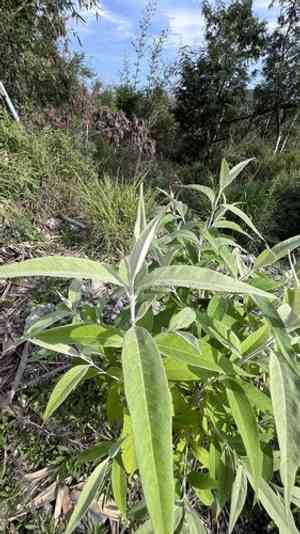
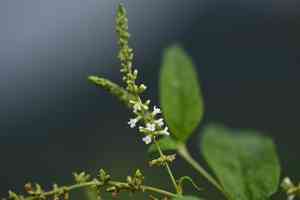
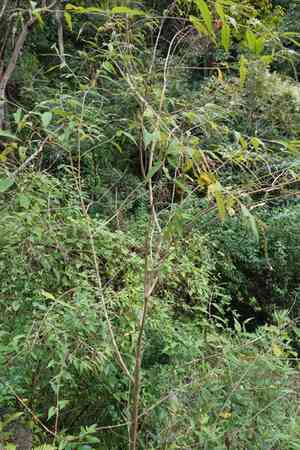
Images of Dog tail
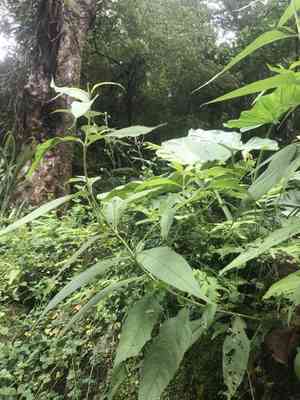
Quickly Identify Dog tail
1
Identify Buddleja asiatica by its long, lance-shaped leaves that are dark green on the upper surface and whitish underneath. The flowers are small, tubular, and densely packed in elongated clusters.
Scientific Classification of Dog tail
Phylum
Vascular plants
Class
Dicotyledons
Order
Lamiales
Family
Figwort
Genus
Butterfly bushes
Species
Dog tail
Planting and Growing of Dog tail
Care Difficulty
Easy
Watering Schedule
Every 4 days
Sunlight Requirements
Full sun
Sunshine Duration
4-6 hours
Ideal Temperature
65-75℉
Soil Type
Potting Mix, Peat Mix
Soil pH
6.5-7.5
Fertilizer Type
Balanced
Pruning Season
Spring, Summer
Pruning Area
Branches, Leaves
Pruning Frequency
2 times a year
Repotting Season
Spring
Pot Type
Plastic, Ceramic
 How to Water Dog tail?
For Buddleja asiatica, aim to provide around 500 ml of water per session. This ensures a consistent level of moisture, keeping the root system happy without flooding the soil. Water deeply but allow the topsoil to dry out slightly between waterings to achieve the perfect balance.
What are the symptoms of an underwatered Dog tail?
›
What should I do if my Dog tail is not getting enough water?
›
What are the symptoms of an overwatered Dog tail?
›
How to save an overwatered Dog tail?
›
 What Are the Sunlight Requirements for Dog tail?
Buddleja asiatica flourishes with half to full day sun, providing robust growth and prolific flowering. Ideal sunlight supports comprehensive growth cycles and maintains the plant's aesthetic and physiological health.
More About Sunlight Requirements Techniques→
Question 1
›
Question 2
›
Question 3
›
 What Is the Ideal Temperature Range for Dog tail?
The ideal temperature range for growing Buddleja asiatica is between 65°F and 75°F. This range provides the optimal conditions for photosynthesis, growth, and flowering. When temperatures are maintained within this range, the plant can have its maximum vitality and flowering potential.
 What Soil is Best for Dog tail?
Buddleja asiatica thrives in well-draining soils as they prevent waterlogging, which can cause root rot. Ensuring proper drainage allows for air circulation around the roots, promoting healthy growth and vibrant blooms. This plant benefits from soil that is rich in organic matter, such as compost or well-rotted manure. These nutrients support robust growth and a profusion of flowers, enhancing the plant's appeal and ecological advantages. While good drainage is crucial, the soil should retain enough moisture to sustain the plant during dry periods. This balance prevents stress and dehydration, ensuring continuous and lush foliage.
 How to Fertilize Dog tail?
Buddleja asiatica, commonly known as Asian butterfly bush, may require moderate fertilization. A general rule is to apply a balanced liquid fertilizer with a ratio like 10-10-10 or 20-20-20. For mature plants, use approximately one tablespoon per gallon of water. It's crucial to ensure that you do not over-fertilize, which can harm the plant more than help.
 How to Prune Dog tail?
Start by removing any dead or damaged wood using clean, sharp pruning shears. This helps the plant avoid diseases. Next, target any crossing branches to prevent them from rubbing against each other. Trim the plant to the desired shape and size, cutting back to a healthy outward-facing bud. A good rule of thumb is to prune back to two-thirds of the height to encourage dense, vigorous growth. When shaping Buddleja asiatica, aim to maintain an open structure to allow light and air to move freely throughout the plant. This reduces the chances of fungal infections and improves overall plant health. Prune to keep an aesthetically pleasing shape, and do this regularly to manage plant size and encourage proper blooming.
More About Pruning Techniques→
 How to Propagate Dog tail plant?
1
For seed propagation, start by soaking the seeds in warm water for 24 hours to improve germination rates. For cuttings, select a healthy, semi-hardwood section of the plant, ideally 6-8 inches long, and cut just below a node.
2
Plant seeds in a seed tray filled with a light, well-draining potting mix. Cover lightly with soil. For cuttings, dip the cut end in rooting hormone before planting it into a pot with a mix of peat and perlite.
3
Keep the seed tray or pots in a warm location with indirect sunlight. Maintain humidity by covering with a plastic dome or a clear plastic bag, ensuring that the medium remains moist but not waterlogged.
 How to Repot Dog tail plant?
1
Buddleja asiatica shows signs it needs repotting when it becomes root-bound, indicated by roots circling the pot's base or emerging from drainage holes. It's best to repot during its growth periods in spring and summer for minimal stress.
2
Select a pot one size larger with ample drainage holes to prevent waterlogging. The new pot should have enough room for growth while ensuring the roots have proper aeration, promoting healthier development.
3
Use a well-draining potting mix enriched with organic matter, which supports root health by preventing waterlogging yet retains enough moisture to nourish the plant. This soil blend helps maintain the right balance of nutrients and moisture.



