How to Transplant Rye brome?
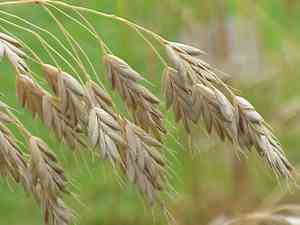
For rye brome, the prime window for transplanting extends from the invigorating warmth of early spring through the threshold of summer. Select a location that offers abundant sunshine and soil that drains effectively to foster vigorous development. Bear in mind that gentle attention during this stage can significantly impact successful rooting.
Essential Preparations Before Relocating Rye Brome?
When is the Best Time to Move Rye Brome?
The prime time for relocating rye brome is as winter's grip loosens and milder weather arrivesâtypically from the initial burst of green growth to the peak of late spring's warmth. Moving rye brome during this period leverages the moderate temperatures and extended daylight, crucial for strong root development without the stress of extreme heat. Seize this season to guarantee rye brome's smooth transition and abundant growth, providing them with spring's revitalizing backdrop to fulfill their potential.
What is the Recommended Spacing Between Rye Brome Plants?
Hello, gardening enthusiast! When rehousing rye brome, aim to position them roughly 6-8 inches (15-20 cm) apart. This spacing allows each plant to thrive without competing with its neighbors for resources. Happy planting!
What is the Optimal Soil Blend for Transplanting Rye Brome?
For rye brome, envision preparing a comfortable bed: select a soil that drains well, such as a loamy or slightly sandy mix. Enhance the area with a balanced, slow-release fertilizer to give them an excellent start. It's like preparing a nourishing meal for your plant companions!
Where is the Best Location to Replant Your Rye Brome?
Sunlight is rye brome's greatest ally! Choose a spot where they will receive full sun for at least 6 hours daily. They flourish under bright skies, so a sunny patch in your garden is perfect. Observe their joyful growth!
What Tools Should You Gather Before Transplanting Rye Brome?
Gardening Spade
For excavating and shifting soil during the relocation process.
Watering Can or Hose
To hydrate rye brome both before and after its move.
Gardening Gloves
To safeguard your hands while handling soil and plants.
Measuring Tape
For accurately spacing the transplanted plants.
Garden Trowel
To assist in lifting the plant and making minor soil adjustments.
Root Pruning Shears
If any roots require trimming.
Wheelbarrow or Garden Cart
For transporting rye brome and soil if needed.
How Do You Extract Rye Brome from the Soil?
How Do You Extract Rye Brome from the Soil?
From Ground: First, water the rye brome to moisten the soil, which facilitates easier removal. Use a gardening spade to carefully dig around the rye brome, striving to keep the root ball intact. Once loosened, slide the spade beneath the root ball and lift rye brome from its original spot.From Pot: Begin by watering rye brome to dampen the soil, helping the roots cohere. Tilt the pot sideways and gently tap it to loosen the soil and roots. Grasp the base of rye brome and carefully ease it out, ensuring you support the root ball as you do so.From Seedling Tray: Lightly water the tray before beginning. Use a garden trowel or your fingers to push up from the cell's bottom to extract the rye brome. Handle rye brome by its leaves or root ball to prevent damage to the delicate stem.
Detailed Steps for Transplanting Rye Brome
Preparation
Prepare the new site by loosening the soil to a minimum depth of 6 inches and leveling it. If moving multiple rye bromes, ensure they are spaced according to their anticipated mature size.
Digging a Hole
Excavate a hole that is twice the width and the same depth as the root ball of rye brome. This provides ample room for root expansion and establishment.
Planting
Position rye brome in the center of the hole. The top of the root ball should be flush with the soil surface. Backfill around the root ball with soil, gently tamping down to remove air pockets.
Watering
Thoroughly water the rye brome after planting to help settle the soil and hydrate the roots. Water slowly to allow deep penetration.
Labeling
If planting several rye bromes or different varieties, label each plant to monitor their growth.
How to Care for Rye Brome After Transplanting?
Monitoring
Inspect your rye brome daily for any indications of stress, such as wilting or discolored leaves, which might signal a transplant issue.
Watering
Ensure the rye brome receives sufficient water to keep the soil moist but not saturated. This aids root establishment without causing rot.
Mulching
Apply a layer of mulch around the rye brome to help retain soil moisture and regulate temperature.
Supporting
If rye brome grows tall or is exposed to strong winds, use stakes or trellises to support the plant and prevent damage.
Weeding
Keep the area surrounding rye brome free of weeds, which can compete for nutrients and water.
Addressing Common Issues with Rye Brome Transplantation.
What is the best time to transplant rye brome?
The optimal window for transplanting rye brome is during the shift from early to late spring, when temperatures are mild.
How much space should I leave between rye brome when transplanting?
Ideally, space rye brome 6-8 inches (15-20 cm) apart to ensure adequate room for growth.
Why is my rye brome struggling after transplant?
Re-evaluate soil quality, planting depth, watering schedule, and confirm sufficient sunlight exposure.
Can I transplant rye brome in summer or fall?
Transplanting rye brome outside the ideal spring period can stress the plant, affecting its growth and survival prospects.
What soil conditions are favorable for rye brome after transplanting?
Well-draining soil rich in organic matter promotes healthier root development for rye brome post-transplant.
How much water should rye brome receive after transplanting?
Provide consistent moisture without over-saturating. Aim for 1 inch (2.5 cm) of water weekly, adjusting for rainfall.
Does rye brome need fertilizer after transplanting?
Initially, prioritize proper watering and spacing. Fertilization can be considered once rye brome is established.
What depth should I plant rye brome seedlings?
Plant rye brome at the same depth they were in their previous container to avoid burying the stem.
What are the signs of rye brome transplant shock?
Wilting, yellowing, or dropping leaves can indicate shock. Ensure a stable environment and minimal root disturbance during transplant.
Can I transplant mature rye brome plants?
Due to its annual nature, mature rye brome do not transplant well. It is preferable to sow new seeds or transplant young seedlings.



