How to Prune Rye brome?
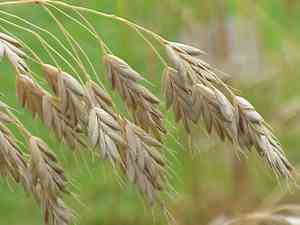
Rye brome, a resilient weed, proliferates rapidly in grain fields and disrupted areas. Successful management involves consistent mowing or trimming prior to seed development to inhibit dissemination. The most effective time for this intervention is from spring through autumn, coinciding with its periods of vigorous development. This practice aids in controlling its rampant growth and diminishing seed distribution. Precise eradication is crucial for regulating this intrusive plant, thereby enhancing agricultural yields and ecological variety.
What Are the Benefits of Pruning Rye Brome?
What Are the Benefits of Pruning Rye Brome?
Trimming rye brome encourages robust development and helps preserve its form, ensuring the plant's energy is directed toward producing strong, healthy structures.
What Is the Best Time for Pruning Rye Brome?
What Is the Best Time for Pruning Rye Brome?
Pruning or trimming rye brome is most effective during Spring, Summer, and Fall. Spring pruning ensures that any cold damage from winter is removed and supports the new growth cycle. Summer pruning helps in maintaining plant shape and controlling size, while avoiding stress during peak growing season. Fall pruning is beneficial for removing dead or diseased parts before dormancy, helping to reduce the chance of disease spread and preparing rye brome for the next growing season. These seasons align with rye brome's growth and dormancy cycle, facilitating recovery and vigor, and ensuring minimal disruption to flowering or seeding, which is crucial in preventing the spread of this often invasive species.
What Tools Do I Need to Prune Rye Brome?
Hand Pruners
For general upkeep and trimming of rye brome, hand pruners are essential. They provide clean cuts on smaller stems, helping to maintain the plant's health and appearance without causing unnecessary damage.
Scissors
For thinning and shaping rye brome, a sharp pair of scissors is ideal. This tool allows for precision when cutting back thin and delicate stems.
Grass Shears
If rye brome is being grown in larger numbers or in a meadow-like setting, grass shears can be used for quick and even trimming of the grass blades.
String Trimmer
For managing rye brome in a field environment, a string trimmer may be necessary. It can cover a large area efficiently, especially when rye brome is grown commercially or has become weedy.
Gloves
Protective gloves should be used while pruning rye brome to protect the gardener's hands from potential irritation or injury.
How to Prune Rye Brome
Disinfect Tools
Before starting the pruning process, disinfect your pruning tools with a solution of 1-part bleach to 9-parts water to prevent the spread of disease to rye brome.
Identify Withering
Carefully inspect rye brome to locate withered leaves. These may appear brown, dry, and brittle in comparison to healthy green foliage.
Cut Back Withered Leaves
Using clean, sharp pruning shears, cut back withered leaves at the base where they meet the stem or the soil. Ensure cuts are made at a slight angle to prevent water accumulation that could lead to rot or disease.
Cleanup
Remove all trimmed debris and withered leaves from around rye brome to improve air circulation and discourage pests and disease.
Water Carefully
After pruning, water rye brome carefully at the base to avoid wetting the foliage, which can encourage fungal diseases, especially on newly pruned areas.
Common Pruning Mistakes with Rye Brome
Over Pruning
Removing too much foliage from rye brome can severely weaken the plant. It's important to prune conservatively, ensuring that a healthy amount of greenery remains for photosynthesis.
Incorrect Cutting Angle
Cuts made at the wrong angle can harm rye brome by exposing more of the cut surface to the elements, which can lead to disease or pest infestation.
Torn Limbs
Ripping or tearing stems instead of making clean cuts can damage the tissues of rye brome, making it more susceptible to diseases.
Pruning All Stems Equally
Cutting back all stems of rye brome to the same height can inhibit natural growth patterns and affect the plantâs vitality.
Using Dull Tools
Pruning rye brome with dull tools can cause jagged edges on stems, potentially leading to diseases due to improper healing.
Neglecting Sanitation
Failure to sanitize pruning tools can spread diseases between plants. Clean tools are particularly important when pruning rye brome to maintain plant health.
Common Pruning Tips for Rye Brome
Clean Cuts
Use sharp, sanitized pruning tools to make clean, angled cuts on rye brome that will heal quickly and reduce the risk of disease.
Selective Pruning
Be selective when pruning rye brome, removing only the stems that are overgrown, dead, or diseased to maintain the natural shape and improve air circulation within the plant.
Thinning Out
Thin out dense areas of rye brome to prevent overcrowding and enhance sunlight penetration, which helps to reduce the risk of fungal diseases.
Cutting To A Node
When pruning rye brome, cut above a leaf node to encourage new growth in the desired direction.
Stepwise Approach
For rye brome, adopt a step-by-step approach, evaluating the plant after each cut to decide where to prune next, helping to avoid over-pruning.
Post Pruning Care
After pruning rye brome, ensure proper plant care by watering and fertilizing as needed to support recovery and regrowth.



