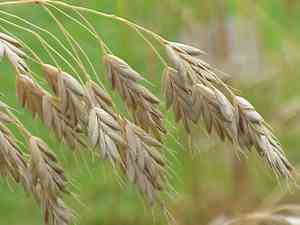
Rye brome (Bromus secalinus)
Also known as: Chess grass, Chess, Chess bromegrass
Rye brome (Bromus secalinus) is a grass species that has proliferated due to its seeds being easily mistaken for those of rye. It poses significant problems as an invasive weed, particularly in crops like winter wheat and rye, across regions including North America and Australia. This plant not only competes with agricultural crops, reducing their yield and quality, but also disrupts local ecosystems by displacing native flora.
In This Article
Attributes of Rye brome
Lifespan
Annual
Plant Type
Grass
Plant Height
30-100 cm
Spread
N/A
Leaf Color
Green
Flower Size
N/A
Flower Color
Yellow Green Red Brown
Images of Rye brome
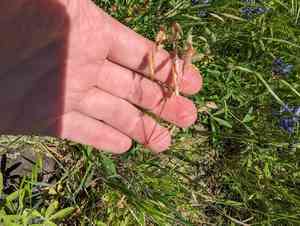
Quickly Identify Rye brome
1
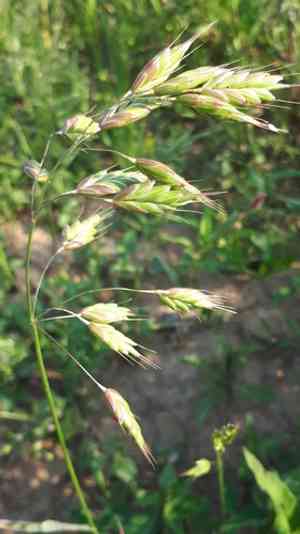
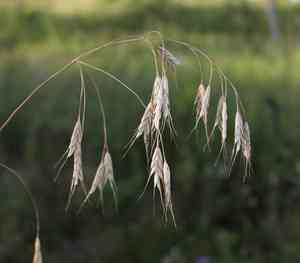
Rye Brome can be identified by its dense, loose, and nodding flower spikes that are greenish to purplish. It has flat, linear leaves with rough edges and a membranous ligule.
Scientific Classification of Rye brome
Phylum
Vascular plants
Class
Monocotyledons
Order
Poales
Family
Grass
Genus
Bromes
Species
Rye brome
Planting and Growing of Rye brome
Care Difficulty
Easy
Watering Schedule
Every 2 days
Sunlight Requirements
Full sun
Sunshine Duration
6-12 hours
Ideal Temperature
59-77℉
Soil Type
Potting Mix, Peat Mix
Soil pH
6.5-7.5
Fertilizer Type
Balanced
Pruning Season
Spring, Summer
Pruning Area
Branches, Leaves
Pruning Frequency
2 times a year
Repotting Season
Spring
Pot Type
Plastic, Ceramic
 How to Water Rye brome?
For Bromus secalinus, ensure the soil is evenly moist but not waterlogged. A thorough watering should equate to about 250 mL, allowing the water to soak through the soil until excess starts to drain from the bottom of the pot. This ensures that the roots are hydrated without causing rot.
What are the symptoms of an underwatered Rye brome?
›
What should I do if my Rye brome is not getting enough water?
›
What are the symptoms of an overwatered Rye brome?
›
How to save an overwatered Rye brome?
›
 What Are the Sunlight Requirements for Rye brome?
Bromus secalinus ideally requires a mix of full sun and partial sun exposure, which promotes healthy growth. This balance ensures the plant gets sufficient light for photosynthesis while preventing damage from too intense sunlight.
More About Sunlight Requirements Techniques→
What light conditions does Bromus secalinus prefer?
›
What are the optimal solutions for obtaining ideal lighting?
›
What are the benefits of achieving ideal lighting?
›
 What Is the Ideal Temperature Range for Rye brome?
The ideal temperature range for Bromus secalinus growth is between 59°F and 77°F. This range ensures optimal photosynthesis and development processes, allowing the plant to thrive without stress. Maintaining temperatures within this range can increase yields and improve overall plant health.
 What Soil is Best for Rye brome?
Bromus secalinus thrives in nutrient-rich soils which provide essential minerals and support robust growth. Regular fertilization enhances its development by ensuring availability of nitrogen, phosphorus, and potassium. Ensuring adequate drainage in the soil is crucial to prevent waterlogging and root rot. A well-draining soil helps maintain optimal moisture levels, promoting healthy root systems and preventing diseases. Soils should have moderate moisture retention properties. It ensures that Bromus secalinus receives enough water to sustain its growth without causing any stress due to prolonged drought periods.
 How to Fertilize Rye brome?
For Bromus secalinus, it's important to use a balanced fertilizer that provides adequate nutrients without overwhelming the plant. Typically, 10 grams per square meter of either liquid or slow-release fertilizer should suffice. Adjust based on soil fertility and plant health.
 How to Prune Rye brome?
Examine the plant for any overly dense or tangled patches. These areas should be thinned out to ensure sunlight penetration and air circulation, crucial for Bromus secalinus's overall health. Using your sharp tools, begin by removing any dead or damaged blades of grass. Then, selectively trim back the overgrown sections, shaping the plant for aesthetic appeal while maintaining its natural form.
More About Pruning Techniques→
 How to Propagate Rye brome plant?
1
Begin by collecting mature seeds from Bromus secalinus. Clean them to remove any debris or impurities. Soaking seeds in water for 24 hours can enhance their germination rate by softening seed coats.
2
Fill seed trays with potting mix, ensuring it is even and lightly compacted. Sow Bromus secalinus seeds on the surface and cover them with a thin layer of mix or sand, keeping them slightly exposed to light.
3
Water gently to avoid displacing seeds. Place the trays in a location with indirect sunlight or under grow lights. Consistent moisture and temperature around 20°C will support optimal germination.
 How to Repot Rye brome plant?
1
Repotting Bromus secalinus is best done when it's apparent that the plant has outgrown its current container. Signs include roots protruding through drainage holes or a noticeable decline in growth. Ideally, aim to repot during its growing seasons, which are spring and autumn, to minimize transplant shock and encourage robust recovery.
2
When selecting a new pot for your Bromus secalinus, opt for one that is slightly larger than the current one. Ensure it has adequate drainage holes to prevent waterlogging. A ceramic pot can help retain moisture while providing aesthetic appeal. The right pot supports healthy root growth, preventing root rot and promoting overall vigor.
3
Choose a well-drained loamy mix for repotting Bromus secalinus. This type of soil contains equal parts of sand, silt, and clay, promoting good drainage while retaining essential nutrients. It facilitates root breathing and prevents overwatering. A healthy soil mix contributes to a thriving plant with vibrant foliage.



