How to Propagate Rye brome?
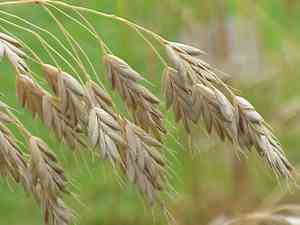
Rye brome is generally multiplied by seeding. Disperse the seeds on a well-prepared seedbed, covering them lightly with earth, and ensure regular, gentle irrigation to keep the substrate damp. A soil temperature of approximately 20°C is advantageous for germination. To foster robust development, it might be essential to thin out the young plants to avoid excessive density. Additionally, given that rye brome is a rapidly developing grass, permitting it to attain a considerable size prior to relocation can enhance its chances of survival.
When Is the Optimal Time to Propagate Rye Brome?
Propagation Type
Seeding
Propagation Season
Spring
What Equipment Is Used for Rye Brome Propagation?
Seed trays
Seed trays are vital for arranging and initiating rye brome seeds. They enable consistent spacing and efficient space utilization, fostering good air circulation and minimizing disease transmission among young plants. Separating seeds into individual cells or compartments simplifies monitoring and managing emerging seedlings.
Potting soil
A well-draining, nutrient-rich potting mix supports the germination and initial development of rye brome by offering necessary support and nourishment. It ensures seeds have an ideal medium for root formation, crucial for successful establishment post-germination.
Watering can with a fine rose
This tool provides gentle water distribution, essential for keeping rye brome seeds damp without dislodging them or causing erosion in the seed tray. The fine rose attachment helps disperse water evenly and delicately, ensuring seeds and seedlings are not washed away or harmed during irrigation.
Labels and marker
Labels and markers are important for documenting sowing dates and tracking the growth progression of rye brome. Using labels aids in organizing the cultivation process and preventing confusion, especially when propagating multiple plant species simultaneously.
Growth lights (if indoor propagation)
Rye brome, like many plants, may require supplemental light when propagated indoors to ensure adequate energy for growth. Grow lights provide the specific light spectrum needed by plants for effective photosynthesis, promoting healthier, more vigorous growth, particularly in environments lacking natural sunlight.
How to Propagate Rye Brome?
Propagation Type
Simple
How to Care for Your Newly Propagated Rye Brome?
How to Care for Your Newly Propagated Rye Brome?
Following propagation, continue to ensure rye brome receives sufficient light and moisture. The soil should remain damp, especially during dry periods. Fertilization is generally not needed; however, if the soil is very poor, a light application of a balanced fertilizer can be beneficial. Monitor plants for signs of pests or disease, and manage as needed. As rye brome matures and produces seeds, allow some plants to self-seed to encourage natural propagation or collect seeds for future planting.
Common Errors to Avoid When Propagating Rye Brome
Overwatering
Excessive watering can lead to root rot in rye brome, weakening the plant and hindering its development. Too much moisture creates an environment favorable for fungal infections, which can be detrimental to the plant's health and propagation success.
Shallow planting
Planting rye brome seeds too superficially can expose them to unfavorable surface conditions, such as temperature fluctuations and insufficient soil contact, resulting in poor germination rates.
Overcrowding
Sowing rye brome seeds too closely can lead to competition for light, nutrients, and space. This competition can stunt growth and reduce the overall health and vigor of rye brome, affecting the successful establishment of new plants.
Ignoring soil quality
Failing to prepare soil with the correct nutrients and structure for rye brome can impede its root development and overall growth. Poor soil conditions can result in weak plants that are less capable of thriving and reproducing.
Tips For Propagating Rye Brome
Proper depth sowing
Ensuring rye brome seeds are sown at the correct depth aids optimal germination. It is crucial for adequate soil moisture contact and stability, providing the seeds the best environment to sprout effectively.
Moderate watering
Providing a balanced amount of water to rye brome is essential. Water should be sufficient to keep the soil moist but not waterlogged, to encourage healthy root growth without the risk of fungal diseases.
Adequate spacing
Ensuring proper spacing between rye brome seeds will help prevent overcrowding. This allows each plant enough space to access sufficient nutrients and reduces the risk of disease spread, promoting healthier growth and propagation.
Soil preparation
Enhancing the soil with appropriate nutrients and ensuring good structure before planting rye brome will support stronger growth and healthier plants. Proper soil preparation is fundamental for successful propagation and robust plant development.



