How to Transplant Lesser hairy brome?
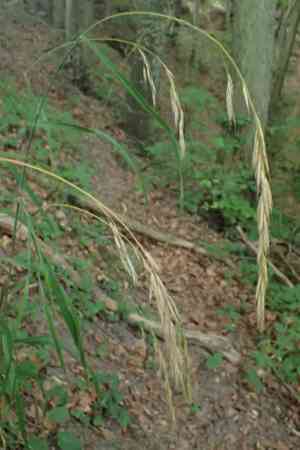
The optimal period for transplanting lesser hairy brome spans from the onset of spring to the initial warmth of summer, or alternatively, throughout the gentle descent of autumn. Select a location with good drainage, receiving either full sun or partial shade. Careful manipulation guarantees a successful establishment.
What Preparations are Needed Before Transplanting Lesser Hairy Brome?
What is the Ideal Time for Transplanting Lesser Hairy Brome?
The optimal period for relocating lesser hairy brome is during the tranquil days of late spring when growth resumes, or as autumn colors peak. This timing allows lesser hairy brome to establish itself prior to the more challenging seasons. These intervals offer suitable temperatures that are neither too harsh nor too mild, enabling lesser hairy brome to adapt to its new spot with minimal stress. Mild weather conditions encourage root development, ensuring a robust foundation for the coming months. So take a moment to connect with nature and give lesser hairy brome the best start in its new home!
How Much Space Should You Leave Between Lesser Hairy Brome Plants?
Position your lesser hairy brome seedlings approximately 6-8 inches (15-20 cm) apart, dear friend. This will provide ample room for them to thrive without competing for nutrients or sunlight. It's like giving each one its own little space to flourish!
What is the Best Soil Mix for Lesser Hairy Brome Transplanting?
Before planting your lesser hairy brome, incorporate some compost into your garden soil to provide a nutrient-rich beginning. Aim for well-draining loamy soil. A light application of a balanced, slow-release fertilizer will set them up for success!
Where Should You Relocate Your Lesser Hairy Brome?
Select a sunny location for your lesser hairy brome that receives ample light, ideally with some afternoon shade if you reside in a warmer climate. They will enjoy at least 6 hours of sunlight daily, much like us on a beach day, but without the sunburn!
What Equipments Should You Prepare Before Transplantation Lesser Hairy Brome?
Shovel or Garden Spade
For digging and moving the lesser hairy brome.
Gardening Gloves
To safeguard your hands while handling soil and the plant.
Watering Can or Hose
To hydrate the lesser hairy brome before and after relocation.
Pruners or Sharp Knife
To trim any damaged roots or foliage.
Wheelbarrow or Plant Pot
For moving the lesser hairy brome from its original spot to the new site.
Mulch
To help retain moisture and regulate soil temperature around the lesser hairy brome after transplant.
How Do You Remove Lesser Hairy Brome from the Soil?
How Do You Remove Lesser Hairy Brome from the Soil?
From Ground: First, water the lesser hairy brome to moisten the soil, making it easier to work with. Then, use a shovel or spade to dig a wide trench around the plant, being careful not to harm the root ball. Gently slide the tool underneath to lift and separate the plant from the soil.From Pot: Begin by watering the lesser hairy brome, to facilitate the root ball's removal from the pot. Turn the pot sideways and gently tap it, squeezing the sides if it's flexible to loosen the soil. As the plant loosens, carefully pull it out by grasping the base of the stems, not the leaves. Support the root ball as you extract it.From Seedling Tray: Dampen the soil in the tray to allow for easier removal of the lesser hairy brome without damaging delicate roots. Using a pruner or a small tool, carefully lift each seedling by the leaves, supporting the root ball as you do so.
Step-by-Step Guide for Transplanting Lesser Hairy Brome
Prepare New Location
Choose the new planting site, ensuring that spacing, soil type, and sunlight requirements have been met. Verify that it is clear of weeds and debris.
Size the Hole
Excavate a hole in the new location that is twice as wide as the root ball and of equal depth so that lesser hairy brome can be planted at the same soil level it was growing at previously.
Plant Removal
Extract the lesser hairy brome from its initial spot, following the instructions provided in the 'removal process' to ensure the root ball remains intact and ready for transplantation.
Root Trimming
Trim any broken or excessively long roots with clean pruners to encourage new growth, taking care to disturb the root system as little as possible.
Placing lesser hairy brome
Position the lesser hairy brome in the center of the newly-dug hole carefully so that it is standing upright and at the appropriate depth.
Soil Refill
Backfill the hole around the root ball with the excavated soil, gently pressing down to eliminate air pockets. Water immediately afterward to settle the soil around the roots.
Mulching
Apply a layer of mulch around the lesser hairy brome, leaving some space around the stem, to help conserve moisture and keep the soil temperature stable.
How Do You Care For Lesser Hairy Brome After Transplanting?
Watering Regularly
Water the lesser hairy brome thoroughly after transplanting and maintain consistent watering to keep the soil moist as the roots establish in their new location.
Monitoring Growth
Observe the lesser hairy brome for indications of stress, such as wilting or yellowing leaves, and respond with appropriate hydration and care.
Protection from Pests
Keep an eye out for pests or diseases that may exploit the lesser hairy brome's initial vulnerability and address any issues promptly if they arise.
Supporting Structures
If the lesser hairy brome appears unstable or is exposed to strong winds, consider providing support with stakes or ties to help it remain upright.
Troubleshooting Common Issues with Lesser Hairy Brome Transplantation.
What's the optimal time to transplant lesser hairy brome?
The best time to transplant lesser hairy brome is during the period from late spring to early summer or from mid-fall to late fall.
How deep should I plant lesser hairy brome during transplantation?
Plant lesser hairy brome so that the root ball rests just beneath the soil surface, ensuring adequate soil cover without burying the crown.
How much space do I need between each lesser hairy brome plant?
Ideal spacing between lesser hairy brome plants is 6-8 inches (15-20 cm) to ensure they have enough room to flourish.
Why is my transplanted lesser hairy brome wilting?
Wilting after transplanting could be due to water stress. Ensure your plant receives sufficient water without waterlogging the soil.
What soil condition is best for transplanting lesser hairy brome?
Well-draining soil with a slightly acidic to neutral pH is perfect for lesser hairy brome, providing nutrients without retaining excess water.
Can I transplant lesser hairy brome during the heat of the day?
Avoid midday heat for transplantation. Early morning or late afternoon is ideal to prevent transplant shock due to temperature extremes.
How do I prepare the soil before transplanting lesser hairy brome?
Till the soil and add organic matter to improve aeration and nutrient content, promoting a healthier transplant environment for lesser hairy brome.
What should I do if my transplanted lesser hairy brome shows signs of shock?
Minimize stress by keeping the soil moist, applying mulch to conserve moisture, and avoiding fertilizer until the plant shows new growth.
Should I prune lesser hairy brome before transplanting?
Light pruning is beneficial; remove any damaged or dead foliage to focus the plantâs energy on root establishment.
How can I protect my newly transplanted lesser hairy brome from pests?
Regularly inspect your plant for signs of pests and apply organic insecticides or introduce beneficial insects if needed, but handle pesticides carefully.



