The Lesser hairy brome Plant Advantage: Maximizing Home and Office Appeal and Wellness
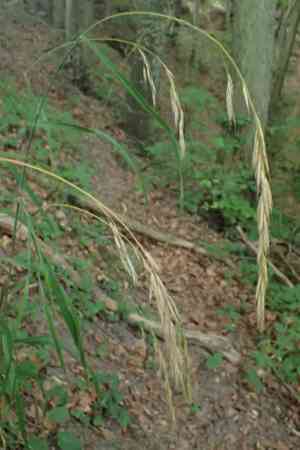
1
Lesser hairy brome enhances ground richness through nitrogen fixation.
2
This plant naturally inhibits weed growth, decreasing reliance on chemical weed killers.
3
Lesser hairy brome offers vital shelter for diverse helpful insects and animals.
How Does Lesser hairy brome Enhance Soil Fertility?
Nitrogen Fixation
Lesser hairy brome plays a key role in fixing nitrogen within the soil. Nitrogen is a vital nutrient for plant development, yet many soils lack sufficient amounts. By fixing nitrogen, Lesser hairy brome enriches the soil, boosting its fertility and making it more suitable for other plants to grow. This natural process lessens the need for chemical fertilizers, leading to a healthier and more sustainable environment.
Organic Matter Contribution
Beyond nitrogen fixation, Lesser hairy brome adds organic matter to the soil. As the plant's components decompose, they return valuable nutrients to the ground, improving soil structure and richness. This organic material enhances the soil's capacity to retain water, making it especially beneficial for regions susceptible to drought.
Can Lesser hairy brome Aid in Weed Management?
Natural Weed Suppression
Lesser hairy brome excels at suppressing unwanted weeds. Its dense growth habit and extensive root system make it challenging for weeds to establish, thereby reducing competition for resources like water and nutrients. This natural weed control means fewer herbicides are needed, promoting a cleaner and more eco-friendly gardening approach.
Mulching Benefits
The fallen leaves and stems of Lesser hairy brome can serve as a natural mulch. Mulching not only inhibits weed growth but also helps to conserve soil moisture and regulate soil temperature. This dual function makes Lesser hairy brome an excellent choice for gardeners aiming to maintain a healthy and easy-to-manage garden.
What Wildlife Advantages Does Lesser hairy brome Offer?
Habitat Creation
Lesser hairy brome provides essential habitat for various wildlife species. Its robust structure offers shelter for insects, small mammals, and birds. By incorporating Lesser hairy brome into your garden or conservation area, you establish a mini-ecosystem that supports biodiversity and helps sustain local wildlife populations.
Food Source
The seeds and foliage of Lesser hairy brome act as a food source for many creatures. Birds, in particular, are drawn to the seeds, while insects find sustenance from the plant's various parts. The presence of Lesser hairy brome thus fosters a balanced and vibrant ecosystem, making it invaluable for any gardener or conservationist seeking to support local fauna.
How Is Lesser hairy brome Used in Erosion Control?
Soil Stabilization
Lesser hairy brome's extensive root system is highly effective at stabilizing soil, making it an excellent option for erosion prevention. Its roots help to bind the soil together, preventing it from being washed away during heavy rainfall. This is particularly useful in areas prone to erosion, such as riverbanks and slopes.
Improving Water Quality
By controlling erosion, Lesser hairy brome also contributes to enhancing water quality. Less soil erosion means fewer sediments in nearby water bodies, which can otherwise lead to water pollution and degradation of aquatic habitats. Thus, planting Lesser hairy brome can have far-reaching benefits beyond the immediate area, positively impacting surrounding waterways.
Is Lesser hairy brome Easy to Maintain?
Drought Tolerance
Lesser hairy brome is remarkably tolerant of drought, requiring minimal water once established. This makes it ideal for xeriscaping and other low-maintenance gardening practices. Its resilience in the face of water scarcity ensures that your garden remains vibrant and green even during dry periods.
Minimal Pesticide Use
Thanks to its natural resistance to pests and diseases, Lesser hairy brome requires very little use of pesticides. This reduces both maintenance efforts and the environmental impact of your gardening activities. A garden with Lesser hairy brome is thus simpler to manage and more sustainable in the long term.



