How to Prune Lesser hairy brome?
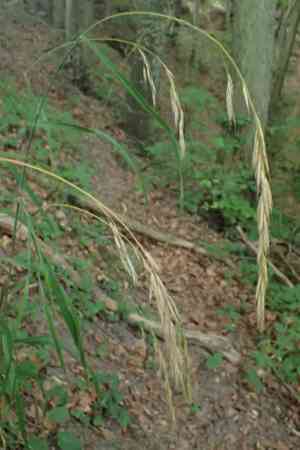
This herbaceous perennial, distinguished by its delicate leaves and graceful arch, thrives with annual upkeep. For lesser hairy brome, trimming is best performed in early spring or during winter prior to the emergence of new shoots. Cut away the withered and discolored foliage to sustain vitality and encourage abundant fresh development. This practice not only improves its aesthetic but also fosters well-being by boosting air movement. Always employ sharp, sanitized implements to prevent harm to the plant.
What Are the Benefits of Pruning Lesser Hairy Brome?
What Are the Benefits of Pruning Lesser Hairy Brome?
Trimming lesser hairy brome promotes robust development and helps maintain its form, crucial for the plant's visual appeal and structural soundness. Strategic cuts enhance light penetration and air flow, fostering a strong framework and preventing excessive growth.
What Is the Best Time for Pruning Lesser Hairy Brome?
What Is the Best Time for Pruning Lesser Hairy Brome?
Pruning lesser hairy brome in early spring is advantageous as the plant emerges from dormancy. This timing allows gardeners to remove any dead or damaged growth from winter before the plant begins its active growth phase. Pruning at this stage prepares lesser hairy brome for a robust growing season, ensuring energy is directed towards healthy shoots. Moreover, trimming in late winter, just before the spring growth starts, can be advantageous as well. It allows the gardener to shape the plant and encourage bushier growth. During this time, the absence of leaves provides better visibility for identifying which parts of lesser hairy brome to prune, preventing unnecessary damage to new growth. It also minimizes the risk of disease transmission as many pathogens are inactive in colder weather. However, it is crucial to avoid pruning lesser hairy brome too late into the spring or during summer as this can disturb flowering or seed development.
What Tools Do I Need to Prune Lesser Hairy Brome?
Hand Pruners
Essential for making clean and precise cuts, suitable for selectively removing lesser hairy brome's individual stems or leaves that are dead, damaged, or overgrown, which promotes healthy plant growth and shape.
Grass Shears
Useful for trimming and shaping grass-like foliage of lesser hairy brome, particularly when precise control is needed around the plant's base or in case of thinning.
Pruning Saws
Though typically not necessary for lesser hairy brome, a fine-toothed pruning saw might be beneficial for cutting through thicker culms if lesser hairy brome has been allowed to grow extensively and has developed woody stems.
How to Prune Lesser Hairy Brome
Sterilization
Sanitize your pruning tools before beginning the trimming process to prevent the spread of disease to lesser hairy brome.
Identify
Identify diseased leaves on lesser hairy brome by looking for signs of discoloration or decay. Also, spot any withered leaves that are dried out and no longer alive.
Cut diseased leaves
Using the sterilized tools, carefully trim off the diseased leaves from lesser hairy brome by cutting them at the base, where they meet the stem. Make sure not to tear the plant tissue.
Cut withered leaves
Similarly, remove withered leaves by making clean cuts at their base to eliminate dead tissue and facilitate healthy growth.
Disinfect
After pruning, disinfect your tools once again to prevent any potential spread of pathogens to other plants or future pruning sessions with lesser hairy brome.
Common Pruning Mistakes with Lesser Hairy Brome
Over-pruning
Removing too much foliage can stress lesser hairy brome, leading to weak growth or susceptibility to pests and diseases.
Improper cuts
Incorrect cutting technique can damage lesser hairy brome's stems, potentially leading to disease or poor regrowth.
Using dull tools
Dull pruning tools can cause jagged cuts that are slow to heal, increasing the chance of infection.
Pruning young plants
Pruning lesser hairy brome too early in its life cycle can hinder its establishment and overall vigor.
Neglecting to disinfect tools
Failing to disinfect tools between cuts can spread diseases across lesser hairy brome and even between different plants.
Common Pruning Tips for Lesser Hairy Brome
Sharp tools
Use sharp, clean shears to make clean cuts, which will heal more quickly and reduce the risk of disease.
Selective thinning
Thin out lesser hairy brome selectively to improve air circulation and light penetration, which helps to reduce disease risk and strengthen the plant.
Correct angle
Cut stems at an angle to prevent water from sitting on the cut surface, which can lead to rot and disease.
Gradual reduction
If reducing the size of lesser hairy brome, do so gradually over multiple seasons to minimize stress on the plant.
Aftercare
After pruning lesser hairy brome, provide proper aftercare, like watering and mulching, to support recovery and robust growth.



