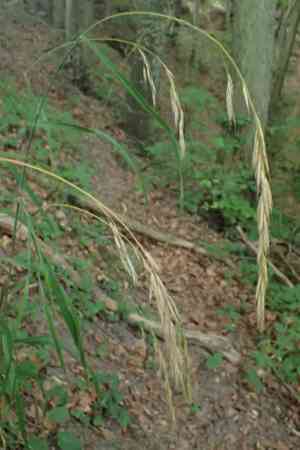
Lesser hairy brome (Bromus benekenii)
Also known as: Wood Brome, False Brome
Forest Trespen, or Brachypodium sylvaticum, are perennial herbaceous plants that typically grow to heights ranging from 50 to 150 centimeters, with some specimens reaching up to 190 centimeters. These plants form small clumps and have slender, hairy, and upright stems with three to five nodes. The leaf sheaths are generally closed, with the upper sheaths being densely covered in long hairs (3 to 4 millimeters) and featuring short, pointed auricles.
In This Article
Attributes of Lesser hairy brome
Lifespan
Perennial
Plant Type
Grass
Plant Height
30 to 100 cm
Spread
N/A
Leaf Color
Green
Flower Size
N/A
Flower Color
White Green Brown
Images of Lesser hairy brome
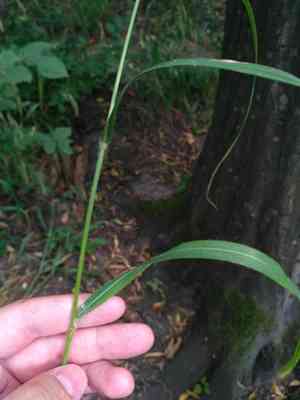
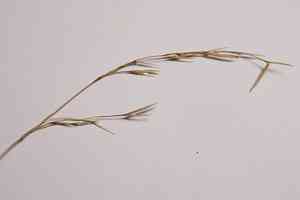
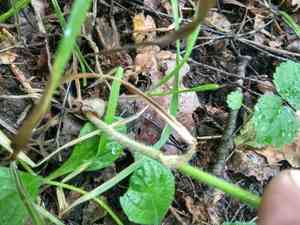
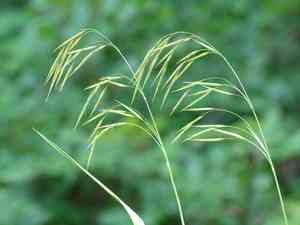
Quickly Identify Lesser hairy brome
1
You can identify Bromus benekenii by its smooth, leafy stems and narrow, lance-shaped leaves. The plant typically has a pale-green color and a distinctive panicle inflorescence with long, slender spikelets.
Scientific Classification of Lesser hairy brome
Phylum
Vascular plants
Class
Monocotyledons
Order
Poales
Family
Grass
Genus
Bromes
Species
Lesser hairy brome
Planting and Growing of Lesser hairy brome
Care Difficulty
Easy
Watering Schedule
Every 3 days
Sunlight Requirements
Partial sun
Sunshine Duration
4-8 hours
Ideal Temperature
60-70℉
Soil Type
Potting Mix, Peat Mix
Soil pH
6.5-7.5
Fertilizer Type
Balanced
Pruning Season
Spring, Summer
Pruning Area
Branches, Leaves
Pruning Frequency
2 times a year
Repotting Season
Spring
Pot Type
Terracotta, Plastic
 How to Water Lesser hairy brome?
Bromus benekenii thrives best when the soil remains evenly moist. The rule of thumb is to water until the top 2 inches of soil are moist but not waterlogged. Use around 500ml for mature plants but adjust according to pot size and environmental factors.
What are the symptoms of an underwatered Lesser hairy brome?
›
What should I do if my Lesser hairy brome is not getting enough water?
›
What are the symptoms of an overwatered Lesser hairy brome?
›
How to save an overwatered Lesser hairy brome?
›
 What Are the Sunlight Requirements for Lesser hairy brome?
Partial shade suits best, providing sufficient ambient light to sustain healthy growth. This range prevents foliage desiccation and maintains soil hydration, crucial for Bromus benekenii’s lush appearance and vitality.
How does Bromus benekenii thrive in partial sunlight?
›
What measures ensure ideal lighting for Bromus benekenii?
›
Why is dappled sunlight ideal for Bromus benekenii?
›
 What Is the Ideal Temperature Range for Lesser hairy brome?
The ideal temperature range for growing Bromus benekenii is between 60°F to 70°F. This range provides the perfect balance of warmth and humidity that is essential for the healthy growth and development of this plant. It ensures that the plant's metabolic processes occur efficiently, leading to robust growth and flowering.
 What Soil is Best for Lesser hairy brome?
Bromus benekenii thrives in well-drained soils that prevent waterlogging. Adequate drainage is crucial for root health, allowing air to reach the roots and preventing root rot, thus promoting a robust growth environment. This plant prefers soils with moderate fertility levels, providing essential nutrients without overwhelming the root system. Balanced nutrient availability supports lush foliage and healthy growth, making it ideal for Bromus benekenii. While not overly wet, soil that retains enough moisture is advantageous for Bromus benekenii. This attribute ensures that the plant has consistent access to water, preventing stress during drier periods.
 How to Fertilize Lesser hairy brome?
For Bromus benekenii, it is important to use a balanced fertilizer. When applying liquid fertilizer, dilute it to half the recommended strength on the packaging. For slow-release fertilizers, use approximately 100 grams per square meter. These fertilizers should be rich in nitrogen to support healthy foliage growth.
 How to Prune Lesser hairy brome?
Begin pruning Bromus benekenii by removing any dead, broken, or diseased stems to encourage new growth. Cut close to the base without harming healthy shoots. Regular pruning will keep the plant looking tidy and promote vigorous growth. Ensure that you prune during the late spring or early summer when the plant is in its active growth phase. This timing allows it to recover quickly and ensures that you're managing its shape and size effectively as it flourishes.
More About Pruning Techniques→
 How to Propagate Lesser hairy brome plant?
1
Collect seeds in late summer or early autumn and clean them thoroughly. Sow them in seed trays filled with well-draining soil mix, ensuring that the seeds are lightly covered with soil. Maintain consistent moisture until germination.
2
For the division method, dig up mature plants in early spring. Gently shake off the soil to expose the root system. Look for natural divisions where the plant can be separated into smaller sections.
3
After separating the divisions, plant each section in a prepared garden area. Water them thoroughly and keep the soil moist until the new plants establish themselves.
 How to Repot Lesser hairy brome plant?
1
Bromus benekenii should be repotted when you notice roots emerging from the drainage holes or if the plant appears stunted. An ideal time to repot is during Spring or early Summer, when the plant is typically in its active growth phase and can recover quickly from transplant shock.
2
Select a new pot that is 1-2 inches larger in diameter than the current one, ensuring it has adequate drainage holes. This size increment gives the plant ample space to grow without overwhelming its root system. Additionally, using a pot with good drainage prevents waterlogging, reducing the risk of root rot.
3
Opt for a well-draining loam mixture with added organic matter, such as a peat-based compost. This type of soil retains the right amount of moisture while allowing excess water to escape. The organic matter also enriches the soil, offering extra nutrients to your Bromus benekenii.
Learn More About Lesser hairy brome Diseases
Anthracnose
Bacterial Leaf Spot
Bacterial Soft Rot
Bacterial Wilt
Chemical Injury
Cyst Nematode
Damping-off
Downy Mildew
Drought Stress
Fusarium Wilt
Gray Mold
Leaf Spot
Mosaic
Nutrient Deficiency
Nutrient Toxicity
Powdery Mildew
Root Rot
Root-knot Nematode
Rusts
Sooty Mold
Spider Mites
Temperature Stress
Thrips Damage
White Mold



