How to Transplant Field brome?
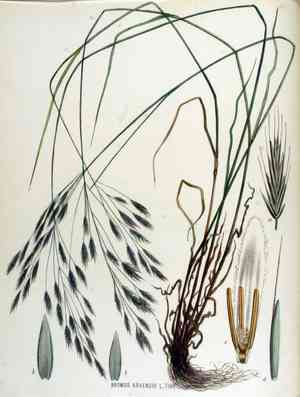
The ideal period for transplanting field brome spans from the initial thaw of early spring through the milder temperatures of late spring, facilitating robust growth. Select a brightly lit location featuring soil that drains effectively; ensure the soil remains damp after relocation for optimal outcomes.
What Preparations are Needed Before Transplanting Field Brome?
What is the Ideal Time for Transplanting Field Brome?
The optimal period for relocating field brome extends from the end of winter's cold to the peak of spring. Aligning this with spring's onset allows field brome to establish roots in warming soil, benefiting from longer days and mild weather. Following this phased approach during this season promotes vigorous growth and resilience. Ensure your field brome gets a head start in this renewal phase â it's their best chance for thriving!
How Much Space Should You Leave Between Field Brome Plants?
Greetings, gardener! Before placing your field brome seedlings into the ground, plan to provide them with a comfortable 4-6 inches (10-15 cm) of individual space. This will enable them to thrive without competing for nutrients and sunlight.
What is the Best Soil Mix for Field Brome Transplanting?
For your field brome, you'll need soil that drains well and is rich in organic material â consider a good, loamy mixture. Prior to planting, enrich your soil with a balanced, slow-release fertilizer to give your field brome a nutritional boost.
Where Should You Relocate Your Field Brome?
Your field brome will appreciate a sunny spot in your garden. They flourish best with full sun, meaning at least 6-8 hours of direct sunlight daily. Select a location that receives ample exposure to those warm, sunny rays to keep them content.
What Equipments Should You Prepare Before Transplantation Field Brome?
Gardening Gloves
To safeguard your hands while handling soil and plants.
Spade or Shovel
For digging and moving plants.
Hand Trowel
To refine the planting hole and manage smaller specimens.
Watering Can or Hose
For hydrating field brome before and after relocation.
Pruning Shears
For trimming roots if necessary.
Wheelbarrow
To easily transport field brome and soil.
Garden Fork
To loosen the soil around the plant's root system.
Ruler or Measuring Tape
For maintaining appropriate spacing between plants.
How Do You Remove Field Brome from the Soil?
How Do You Remove Field Brome from the Soil?
From Ground: Begin by watering the field brome to moisten the soil. Use a spade or shovel to dig a wide trench around the plant, being careful not to harm the root ball. Gently work around and beneath the plant to lift it from the ground.From Pot: Dampen the soil, then turn the pot sideways, tap the base, and carefully extract the field brome while supporting the plant's base and stems with your hand.From Seedling Tray: Water the seedlings to facilitate removal. Use a hand trowel or your fingers to lift the root balls with minimal root disturbance.
Step-by-Step Guide for Transplanting Field Brome
Weather Conditions
Select a cloudy day or late afternoon to minimize transplant shock from heat.
Prepping the New Site
Dig a hole that is twice as wide and the same depth as the field brome's root ball.
Prune if Necessary
Trim any dead or excessively long roots with pruning shears to encourage new growth.
Plant Positioning
Place field brome in the center of the hole, ensuring it stands upright.
Soil Backfill
Carefully refill the hole with soil, making sure the field brome is stable and erect.
Compression
Gently press the soil down around the field brome to remove air pockets.
First Watering
Thoroughly water the field brome immediately after transplanting to settle the soil.
How Do You Care For Field Brome After Transplanting?
Monitoring
Observe the field brome for indications of transplant shock, such as wilting or yellowing foliage.
First Watering
Water the field brome deeply after transplanting and keep the soil moist for the subsequent weeks.
Mulching
Apply mulch around the field brome to retain moisture and reduce weed competition, without touching the stems.
Support
If needed, stake or support the field brome to protect against wind damage.
Weeding
Keep the area around the field brome free of weeds to lessen resource competition.
Protection
Safeguard the field brome from pests and diseases by regular monitoring and prompt action if required.
Troubleshooting Common Issues with Field Brome Transplantation.
When's the best time to transplant field brome?
Relocate field brome during the pleasant period of early to late spring, when the weather promotes growth.
What spacing should I use for field brome when transplanting?
Aim for a generous spacing of 4-6 inches (10-15 cm) to provide field brome ample room to thrive.
How deep should the holes be for transplanting field brome?
Prepare holes twice the size of the root ball but only as deep to keep field brome's crown at soil level.
Can I transplant field brome in summer or fall?
It's feasible, but spring's mild warmth offers ideal conditions for field brome's successful establishment.
Why are my transplanted field brome plants wilting?
Wilting may stem from stress. Ensure consistent soil moisture and avoid immediate full sun exposure after transplanting.
How much water does field brome need after transplanting?
Water gently yet thoroughly to settle the soil around the roots, keeping it moist but not waterlogged.
What kind of soil is best for transplanting field brome?
Utilize well-draining soil, rich in organic matter, to provide the proper foundation for field brome's roots.
How can I protect field brome after transplanting?
Lightly mulch around field brome to retain moisture, suppress weeds, and regulate soil temperature.
My field brome doesn't seem to grow after transplanting, why?
Ensure soil fertility, adequate water, and check if roots have space to expand. Patience is key; allow field brome time to adjust.
Should fertilizers be used when transplanting field brome?
While not immediately necessary, a balanced, slow-release fertilizer can be applied once field brome shows signs of new growth.



