How to Prune Field brome?
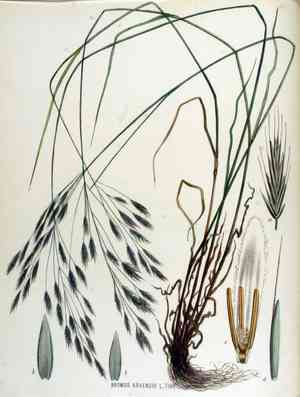
A perennial grass that flourishes in areas susceptible to disruption, field brome benefits from trimming to encourage robust development and manage its invasive characteristics. Trim to uphold the preferred shape and eliminate withered leaves. For optimal outcomes, trim in Spring prior to new development, in Summer to reduce growth after blooming, and in Fall to hinder self-propagation. Consistent trimming enhances air movement and lowers the likelihood of illness. Refrain from severe cutting to safeguard the plant's vigor.
What Are the Benefits of Pruning Field Brome?
What Are the Benefits of Pruning Field Brome?
Trimming field brome is essential for promoting robust development and preserving its desired structure. Deliberate cuts can rejuvenate field brome, helping to ensure strong vitality and an appealing, controlled shape within your garden.
What Is the Best Time for Pruning Field Brome?
What Is the Best Time for Pruning Field Brome?
Pruning field brome in spring is optimal as it coincides with the start of its growth cycle, encouraging vigorous new growth and aiding in shaping the plant for the upcoming season. During summer, trimming field brome helps maintain plant health by removing any diseased or overgrown sections, thereby improving air circulation and reducing pest infestations. Autumn pruning is also advised for field brome to prepare it for winter by eliminating dead or weak growth, which can enhance its resistance to cold weather. Pruning during these seasons ensures field brome directs its energy to produce strong, healthy shoots and minimizes harm to the plant's vigor.
What Tools Do I Need to Prune Field Brome?
Hand Pruners
Field brome is a grass species, so sharp, bypass hand pruners are best for cleanly cutting small to medium-sized stems, which encourages healthy regrowth.
Grass Shears
For shaping and maintaining the overall form of field brome, grass shears are a crucial tool because they are specifically designed for trimming grass blades and can be easier for detailed work.
String Trimmer
When dealing with larger areas of field brome or managing its spread, a string trimmer is suitable as it can quickly cut down extensive sections of grass, though it's important to ensure it doesn't harm other plantings.
Scythe
For controlling field brome in a more traditional or larger agricultural setting, a scythe can be used effectively to cut through large fields, which is often necessary for this species that can grow extensively.
How to Prune Field Brome
Clean tools
Sanitize pruning shears with a mixture of 1 part bleach to 9 parts water to prevent the spread of disease to field brome.
Inspect plant
Examine field brome closely to identify all withered leaves that require removal, indicating poor health or old age.
Trim leaves
Cut the withered leaves at their base where they meet the stem or soil surface using clean shears, avoiding damage to nearby healthy tissue.
Dispose waste
Gather the removed leaves of field brome and discard them away from the garden to prevent pests and diseases.
Clean up
Clear away any remaining debris from the pruning process around field brome to maintain a neat growing area.
Common Pruning Mistakes with Field Brome
Over-pruning
Removing too much of field brome at once can stress the plant and lead to weaker development. Cutting more than one-third of the total foliage or grass blades can negatively impact its health.
Wrong technique
Using dull blades or tearing instead of making clean cuts can damage the stems and leaves of field brome, which may introduce disease or pests and hinder recovery.
Ignoring dead or diseased parts
Failing to remove dead, diseased, or damaged growth promptly can prevent field brome from thriving, as it diverts energy away from healthy growth.
Pruning indiscriminately
Randomly cutting without understanding the growth pattern of field brome can result in sparse and unattractive growth. Pruning should be intentional to maintain the plant's natural shape.
Lack of cleanliness
Not sterilizing pruning tools before use on field brome can spread pathogens from infected plants and soil, posing a health risk to the plant.
Common Pruning Tips for Field Brome
Sharp tools
Utilize sharp, clean shears or scissors to make precise cuts. This helps ensure clean wounds that heal faster, minimizing stress and reducing the risk of disease in field brome.
Strategic cutting
Prune field brome by cutting just above a node or leaf pair to encourage new growth in desired directions. Pruning should follow the plant's natural form to enhance its appearance and health.
Regular maintenance
Regularly trim away dead, diseased, or damaged foliage from field brome to promote vigorous growth, reduce disease pressure, and maintain an attractive appearance.
Shape control
Control the spread of field brome by pruning selectively. This helps manage its size and shape without compromising the plant's health or flowering potential.
Tool hygiene
To prevent spreading diseases between plants, clean and disinfect pruning tools after they come into contact with field brome or before using them on another plant.



