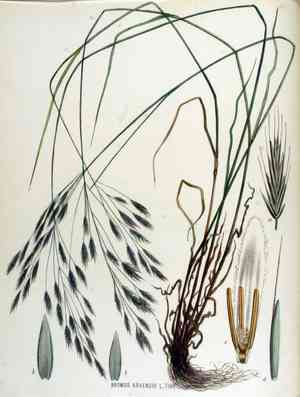
Field brome (Bromus arvensis)
Also known as: Smooth brome
Field brome, an annual grass, often appears in pastures, rangelands, wheat fields, and along roadsides. Although it is now recognized as an aggressively invasive species that diminishes biodiversity, it was originally introduced for its potential to control soil erosion and enhance soil quality.
In This Article
Attributes of Field brome
Lifespan
Annual
Plant Type
Grass
Plant Height
30 cm to 90 cm
Spread
30 cm
Leaf Color
Green
Flower Size
4 cm to 20 cm
Flower Color
Yellow Green Purple Brown
Images of Field brome
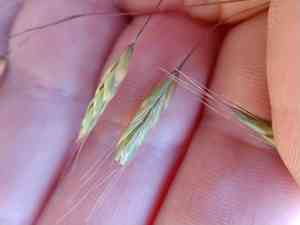
Quickly Identify Field brome
1
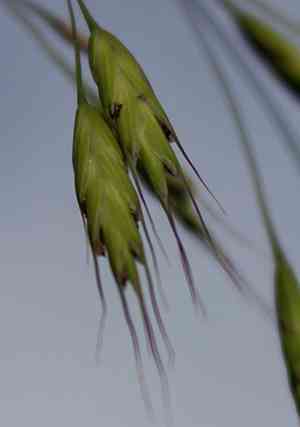
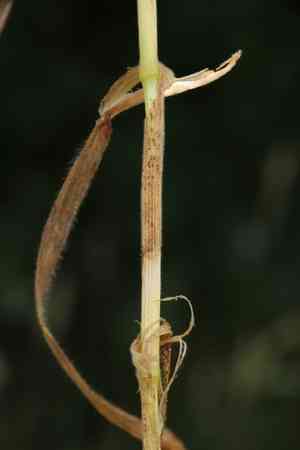
Field Brome can be recognized by its erect stems, which can reach up to 1 meter in height, and its hairy, lance-shaped leaves. The plant bears open, loose panicles of spikelets that are oblong and typically 2-3 cm long.
Scientific Classification of Field brome
Phylum
Vascular plants
Class
Monocotyledons
Order
Poales
Family
Grass
Genus
Bromes
Species
Field brome
Planting and Growing of Field brome
Care Difficulty
Easy
Watering Schedule
Every 2 days
Sunlight Requirements
Full sun
Sunshine Duration
6-12 hours
Ideal Temperature
60-75℉
Soil Type
Potting Mix, Peat Mix
Soil pH
6.5-7.5
Fertilizer Type
Balanced
Pruning Season
Spring, Summer
Pruning Area
Branches, Leaves
Pruning Frequency
2 times a year
Repotting Season
Spring
Pot Type
Plastic, Ceramic
 How to Water Field brome?
When it comes to watering Bromus arvensis, it's crucial to ensure that the soil is moist but not soggy. A general guideline is to water with around 500 ml of water per session. This allows the water to penetrate adequately to the root zone without waterlogging the soil. Avoid letting the plant sit in water, ensuring proper drainage to prevent root rot.
What are the symptoms of an underwatered Field brome?
›
What should I do if my Field brome is not getting enough water?
›
What are the symptoms of an overwatered Field brome?
›
How to save an overwatered Field brome?
›
 What Are the Sunlight Requirements for Field brome?
Bromus arvensis thrives best in conditions that provide either full sun or partial sun. Adequate sunlight ensures robust growth and healthy foliage, essential for its overall vitality and seed production.
Optimal Sunlight Conditions
›
Solutions for Ideal Sunlight
›
Benefits of Ideal Sunlight
›
 What Is the Ideal Temperature Range for Field brome?
For optimal growth, Bromus arvensis thrives in temperatures ranging from 60°F to 75°F. This range allows for proper metabolic functioning and photosynthesis. Maintaining consistent temperatures within this range will ensure the plant remains healthy and vigorous, leading to optimal leaf formation and overall plant stability.
 What Soil is Best for Field brome?
Bromus arvensis thrives in nutrient-rich soil, which promotes healthy growth and robust development. Adequate nitrogen, phosphorus, and potassium levels are essential for optimal plant health. This plant prefers well-draining soil to prevent waterlogging and root rot. Ensuring proper soil aeration can enhance growth and prevent various soil-borne diseases. Moderate soil moisture is necessary for Bromus arvensis to maintain steady growth. Avoid extreme dryness or excessive wetness to keep the plant in optimal health.
 How to Fertilize Field brome?
For Bromus arvensis, apply a balanced, water-soluble fertilizer at half strength to avoid nutrient overload. This roughly equals 1 tablespoon of fertilizer for every gallon of water used in irrigation.
 How to Prune Field brome?
Start by assessing the plant for dead or diseased parts. With sharp, clean shears, prune away these sections to prevent disease spread. Next, trim back vigorous growth to maintain a balanced form, aiming to cut just above a node to encourage new shoots. In dense areas, thin the plant to promote air circulation and sunlight penetration. Always make clean cuts to avoid damaging the plant.
More About Pruning Techniques→
 How to Propagate Field brome plant?
1
Bromus arvensis seeds should be sown evenly in seed trays filled with potting mix. Cover them lightly with soil and water gently to ensure they do not get displaced. Ensure the trays are placed in a bright area with indirect sunlight.
2
Maintain consistent moisture in the soil without overwatering. Allow the top layer of soil to dry out slightly between waterings to prevent seed rot, and use a spray bottle to moisten the soil gently.
3
Once seedlings have developed a few true leaves and are large enough to handle, they can be transplanted to larger pots or directly into the garden. Handle seedlings carefully to avoid damaging the roots.
 How to Repot Field brome plant?
1
Repot your Bromus arvensis when its roots start to emerge from the drainage holes, or when you notice the plant wilting despite adequate watering. This indicates that the roots have possibly filled the pot, requiring more space and nutrients for healthy growth.
2
Select a pot that is 2-3 inches wider in diameter than the current one, ensuring it has good drainage holes to prevent water from accumulating. This extra space provides the roots room to expand and facilitates proper aeration, which is crucial for healthy root development.
3
Opt for a rich, loamy, well-draining soil mix, enhanced with organic matter like compost. Such soil provides the right balance of nutrients while allowing excess water to flow through, preventing root rot and ensuring the plant remains healthy and vigorous.



