How to Transplant Spearleaf brickellbush?
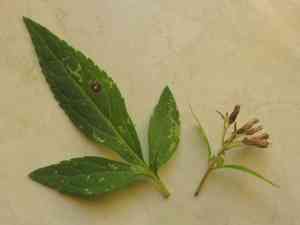
For the best results, relocate spearleaf brickellbush between early and late spring, since this timeframe provides ideal conditions for development. Select a bright spot with soil that drains effectively. Allow sufficient room for the plant to flourish once fully grown.
Necessary Preparations Before Moving Spearleaf Brickellbush?
When is the Best Time to Relocate Spearleaf Brickellbush?
The prime period for relocating spearleaf brickellbush spans from early to late spring. During this interval, moderate temperatures and extended daylight hours foster robust root development and vigorous growth. Transplanting at this time minimizes stress, allowing the plant to establish itself before the summer heat, thereby boosting its chances for a thriving existence.
What Spacing is Recommended Between Spearleaf Brickellbush Plants?
Position each spearleaf brickellbush plant 18-24 inches (45-60 cm) apart to provide ample room for development and air circulation.
What is the Optimal Soil Blend for Spearleaf Brickellbush Relocation?
Utilize well-draining soil enriched with organic compost. Incorporate a balanced base fertilizer to supply essential nutrients for spearleaf brickellbush.
Where Should You Replant Your Spearleaf Brickellbush?
Select a sunny location where spearleaf brickellbush will receive at least 6 hours of direct sunlight daily, ensuring optimal growth and vitality.
What Tools Should You Prepare Before Relocating Spearleaf Brickellbush?
Gardening Gloves
To safeguard your hands while handling soil and the plant.
Shovel or Spade
For excavating around the plant and its new planting site.
Trowel
To assist in gently lifting the plant and its roots from its original spot, especially if moving from a container or tray.
Watering Can
To hydrate the soil both before and after the relocation.
Rooting Hormone (optional)
To stimulate root growth in the new environment.
Mulch
To aid in retaining moisture at the transplant site.
How Do You Extract Spearleaf Brickellbush from the Ground?
How Do You Extract Spearleaf Brickellbush from the Ground?
From Ground: First, water the spearleaf brickellbush plant to moisten the soil. Next, dig a wide trench around the plant using a shovel or spade, ensuring the plant's root ball remains intact. Carefully work the spade beneath the root ball to lift the plant from its initial position.From Pot: Water the spearleaf brickellbush plant to facilitate easier removal. Gently tap the pot's sides to loosen the soil, then carefully slide the plant out, ensuring the root ball stays intact.From Seedling Tray: Water the tray to dampen the soil. Use a trowel to carefully lift the seedling, making sure to include the root system and soil clump.
Step-by-Step Guide for Relocating Spearleaf Brickellbush
Prior to Relocation
Thoroughly water the spearleaf brickellbush plant a few hours before moving it to lessen transplant shock.
Site Preparation
Dig a hole in the new spot that is twice as wide and as deep as the root ball of the spearleaf brickellbush plant.
Transferring the Plant
Gently place the spearleaf brickellbush plant into the new hole, ensuring the top of the root ball is level with the surrounding soil.
Backfilling
Fill the hole with soil, gently pressing down to remove any air pockets.
Watering
Water the spearleaf brickellbush plant thoroughly immediately after relocation to help the soil settle around the roots.
How Do You Care For Spearleaf Brickellbush After Relocation?
Watering
Maintain consistent moisture around the spearleaf brickellbush, avoiding sogginess, for the initial weeks post-relocation to encourage strong root establishment.
Mulching
Apply a 2-3 inch layer of mulch around the base of the spearleaf brickellbush plant to conserve moisture and regulate soil temperature.
Monitoring
Regularly inspect the spearleaf brickellbush for indications of transplant shock, such as wilting or yellowing leaves, and provide adequate water and care as necessary.
Support
For taller specimens, consider using a stake or plant support to help keep the plant upright as it settles into its new location.
Addressing Common Issues with Spearleaf Brickellbush Relocation.
When is the optimal time to move spearleaf brickellbush?
Early to late spring is ideal for relocating spearleaf brickellbush. The temperature conditions are perfect then.
What spacing should I use when moving spearleaf brickellbush?
Space spearleaf brickellbush plants 18-24 inches (45-60 cm) apart to ensure healthy development and air circulation.
What soil type is best for spearleaf brickellbush?
Spearleaf brickellbush thrives in soil that drains well. Sandy or loamy soil is most suitable for this perennial.
How do I prepare the soil for relocating spearleaf brickellbush?
Improve the soil with compost and ensure good drainage to supply nutrients for spearleaf brickellbush.
Should I water spearleaf brickellbush right after moving it?
Yes, water spearleaf brickellbush thoroughly after relocation to help it settle and establish its roots.
At what depth should I plant spearleaf brickellbush?
Plant spearleaf brickellbush at the same depth it was previously growing to prevent transplant shock.
How can I prevent transplant shock in spearleaf brickellbush?
Utilize a root stimulator and keep the plant well-hydrated to help avoid transplant shock.
What if spearleaf brickellbush wilts after relocation?
Ensure the plant receives sufficient water and temporary shade to aid its recovery from wilting.
Is mulching beneficial for relocated spearleaf brickellbush?
Yes, mulching helps maintain moisture and regulate soil temperature around spearleaf brickellbush.
How much sunlight does spearleaf brickellbush require after relocation?
Spearleaf brickellbush prefers full sun, so ensure it gets at least 6-8 hours of direct sunlight daily.



