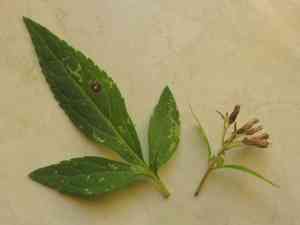
Spearleaf brickellbush (Brickellia atractyloides)
Also known as: Frostweed
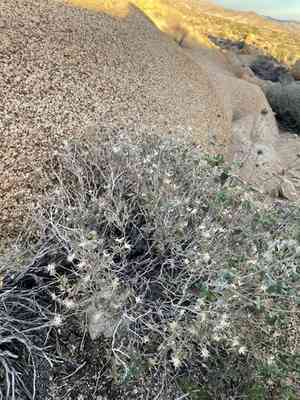
Brickellia atractyloides is a shrub that reaches up to 50 cm in height. It features numerous small flower heads composed of cream-colored or pale green disc florets, and it does not have any ray florets.
In This Article
Attributes of Spearleaf brickellbush
Lifespan
Perennial
Plant Type
Shrub
Plant Height
0.5 to 1.5 meters
Spread
0.3 to 0.6 meters
Leaf Color
Green
Flower Size
0.5 to 1 centimeters
Flower Color
White to pale yellow
Images of Spearleaf brickellbush
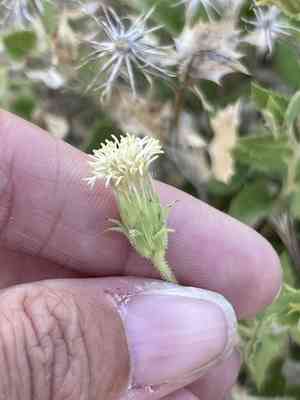
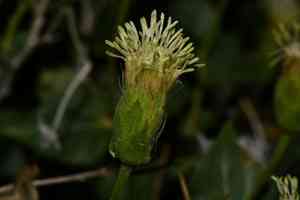
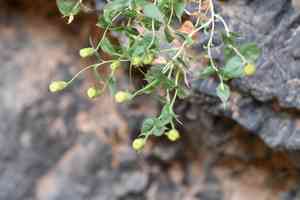
Quickly Identify Spearleaf brickellbush
1
Brickellia atractyloides can be identified by its erect stems, lanceolate leaves, and clusters of small, whitish flowers that bloom from mid to late summer. The leaves are typically serrate and covered with fine hairs.
Scientific Classification of Spearleaf brickellbush
Phylum
Vascular plants
Class
Dicotyledons
Order
Asterales
Family
Daisy
Genus
Brickellbushes
Species
Spearleaf brickellbush
Planting and Growing of Spearleaf brickellbush
Care Difficulty
Moderate
Watering Schedule
Every 2 days
Sunlight Requirements
Partial sun
Sunshine Duration
4-8 hours
Ideal Temperature
70-85℉
Soil Type
Potting Mix, Peat Mix
Soil pH
6.5-7.5
Fertilizer Type
Balanced
Pruning Season
Spring, Summer
Pruning Area
Branches, Leaves
Pruning Frequency
2 times a year
Repotting Season
Spring
Pot Type
Plastic, Ceramic
 How to Water Spearleaf brickellbush?
When watering Brickellia atractyloides, aim for around 250 milliliters per session. This plant prefers its soil to dry out partially between waterings, so ensure the top inch of soil feels dry before adding more water. The goal is to keep the roots hydrated without causing waterlogging.
What are the symptoms of an underwatered Spearleaf brickellbush?
›
What should I do if my Spearleaf brickellbush is not getting enough water?
›
What are the symptoms of an overwatered Spearleaf brickellbush?
›
How to save an overwatered Spearleaf brickellbush?
›
 What Are the Sunlight Requirements for Spearleaf brickellbush?
Brickellia atractyloides thrives in partial to full sun conditions, with 4 to 8 hours of sunlight daily. Optimal light promotes healthy foliage and flowers, enhancing the plant's aesthetic and functional attributes.
What is the best way to provide ideal sunlight for Brickellia atractyloides?
›
How can I adjust its environment to meet light needs?
›
What are the benefits of providing optimal sunlight to this plant?
›
 What Is the Ideal Temperature Range for Spearleaf brickellbush?
The ideal temperature range for Brickellia atractyloides typically lies between 70°F and 85°F. Within this range, the plant can efficiently carry out photosynthesis, nutrient uptake, and metabolic processes, promoting healthy growth and robust flowering. Maintaining this temperature range helps avoid stress and ensures optimal development throughout the plant’s lifecycle.
 What Soil is Best for Spearleaf brickellbush?
Brickellia atractyloides thrives in well-draining soils that prevent water from accumulating, thereby reducing the risk of root rot. A well-draining soil structure is crucial in maintaining the plant's health and ensures efficient nutrient uptake, leading to robust growth. While Brickellia atractyloides can tolerate a range of pH levels, a slightly alkaline pH closer to 7.5 can be ideal for its growth. This pH level helps optimize nutrient availability in the soil, promoting healthier foliage and more vigorous blossoms. Offering a nutrient-rich soil composition is vital for Brickellia atractyloides as it supports sustained growth and vibrant flowering. Incorporating organic matter such as compost or manure enriches the soil, enhancing its texture, fertility, and water retention capabilities.
 How to Fertilize Spearleaf brickellbush?
For Brickellia atractyloides, it's crucial to use a balanced fertilizer with equal parts nitrogen, phosphorus, and potassium. A typical amount is approximately 1 tablespoon of liquid fertilizer mixed with 1 gallon of water for liquid feeding. For solid fertilizers, apply around 1 ounce per plant annually.
 How to Prune Spearleaf brickellbush?
Equip yourself with sharp, clean pruning shears to avoid tearing the branches. Clean tools prevent the spread of diseases and make precise cuts. When pruning, focus on maintaining a balanced shape and facilitating good airflow. Remove crossing branches that can rub against each other and cause damage. Prune during Spring or early Summer when the plant is most actively growing. This timing allows the plant to heal quickly and continue its blooming cycle efficiently.
More About Pruning Techniques→
 How to Propagate Spearleaf brickellbush plant?
1
Fill the seed tray with a mixture of potting soil and perlite for optimal drainage. Lightly moisten the soil to create a hospitable environment for seeds, then sow seeds at the recommended depth, keeping them evenly spaced.
2
Select healthy, non-flowering shoots to use as cuttings. Trim these shoots to a length of 4-6 inches, removing the lower leaves to prevent rot when placed in the soil. Dip the cut ends into rooting hormone before planting.
3
Carefully remove the plant from its pot or from the ground. Shake off excess soil and gently pull apart the root clumps. Ensure each division has roots attached before planting separately to encourage independent growth.
 How to Repot Spearleaf brickellbush plant?
1
Brickellia atractyloides shows signs that it's ready for repotting when roots start protruding from the drainage holes, the plant seems top-heavy or growth has noticeably slowed. This means the roots need more room to expand and access to fresh, nutrient-rich soil.
2
Choose a pot that is just one size larger than the current one, ensuring that it has sufficient drainage holes. This prevents waterlogging and root rot, allowing the plant to develop a robust root system while maintaining stability.
3
Opt for a well-draining cactus mix that includes components like perlite or sand for aeration. This helps prevent water retention, reducing the risk of root diseases, and provides an ideal environment for healthy root development.
Learn More About Spearleaf brickellbush Diseases
Anthracnose
Bacterial Leaf Spot
Bacterial Wilt
Black Spot
Chemical Injury
Crown Gall
Cyst Nematode
Damping-off
Downy Mildew
Drought Stress
Fusarium Wilt
Gray Mold
Leaf Spot
Mosaic
Nutrient Deficiency
Nutrient Toxicity
Powdery Mildew
Root Rot
Root-knot Nematode
Rusts
Sooty Mold
Spider Mites
Temperature Stress
Thrips Damage
White Mold



