How to Propagate Spearleaf brickellbush?
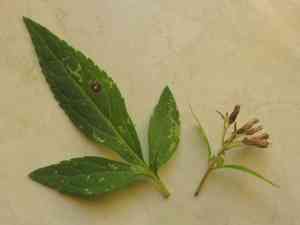
To effectively propagate spearleaf brickellbush, prioritize utilizing robust cuttings sourced from established specimens. Verify that the cuttings remain hydrated and are situated in a substrate that drains efficiently. Sustain steady atmospheric moisture and diffused illumination to encourage optimal root formation. Periodically inspect for fungal growth or decay, and swiftly excise any compromised sections to guarantee vigorous development.
When Is the Optimal Time to Propagate Spearleaf Brickellbush?
Propagation Method
Cutting
Propagation Period
Spring,Summer
What Equipment Is Utilized in Spearleaf Brickellbush Propagation?
Pruning Shears
Pruning shears are vital for obtaining cuttings from spearleaf brickellbush. They enable clean, precise cuts, minimizing harm to the parent plant and promoting healthy cuttings. Sharp, sanitized blades decrease disease transmission risk.
Rooting Hormone
Rooting hormone assists in the formation of root systems when propagating spearleaf brickellbush from cuttings. It stimulates root growth and enhances the probability of successful propagation, ensuring quicker and more robust root development.
Propagation Trays
Propagation trays offer a regulated environment for spearleaf brickellbush cuttings to root. They facilitate proper soil and moisture management, ensuring the cuttings remain stable and receive consistent care.
Sterile Potting Mix
A sterile potting mix prevents disease and offers an ideal environment for spearleaf brickellbush cuttings to root. It provides good drainage and aeration, crucial for root development and the plant's overall health.
Humidity Dome
A humidity dome maintains elevated humidity levels around spearleaf brickellbush cuttings, preventing desiccation and creating optimal conditions for rooting. This is particularly important during the initial propagation stages.
Heat Mat
A heat mat positioned beneath propagation trays can supply consistent bottom heat, which benefits spearleaf brickellbush cuttings. This steady warmth encourages faster root development and boosts the propagation success rate.
Spray Bottle
A spray bottle is used to regularly mist spearleaf brickellbush cuttings, maintaining humidity and preventing dehydration without over-saturating the soil. This ensures the cuttings stay hydrated and reduces the risk of waterlogging.
Labels and Markers
Labels and markers are essential for tracking spearleaf brickellbush cuttings, especially if multiple propagations are occurring simultaneously. Accurate labeling aids in monitoring growth stages and maintaining appropriate care routines.
How to Propagate Spearleaf Brickellbush?
Propagation Type
Moderately Difficult
How to Care for Your Newly Propagated Spearleaf Brickellbush?
How to Care for Your Newly Propagated Spearleaf Brickellbush?
Once roots have formed and the cutting shows signs of new growth, transplant spearleaf brickellbush into a larger container with well-draining soil. Water the plant regularly but avoid waterlogging. Position spearleaf brickellbush in an area with full sun to partial shade. Protect the young plant from extreme weather conditions and regularly check for pests. Gradually acclimate spearleaf brickellbush to outdoor conditions if planting outdoors.
Common Errors to Avoid When Propagating Spearleaf Brickellbush
Overwatering
Excessive watering can lead to root rot and other fungal diseases that can impede the propagation process.
Incorrect Soil
Using soil that does not drain well or is too dense can suffocate the roots, preventing successful propagation.
Excess Sunlight
Exposing cuttings to direct, intense sunlight can cause them to wilt or burn before they establish roots.
Insufficient Humidity
Low humidity can cause cuttings to dry out before they have a chance to develop roots.
Poor Timing of Cutting
Taking cuttings that are too old or too young can reduce the likelihood of successful root development.
Tips For Propagating Spearleaf Brickellbush
Proper Watering
Keep the soil consistently moist but not waterlogged to promote healthy root development.
Well-Draining Soil
Use a soil mix that provides good drainage, such as a mix of potting soil with perlite or sand.
Filtered Light
Place cuttings in a location where they receive bright, indirect sunlight to avoid stress and ensure adequate light exposure.
Maintain Humidity
Increase humidity around the cuttings by covering them with a plastic bag or placing a humidity dome over the pot.
Healthy Cuttings
Select healthy, disease-free cuttings that are neither too young nor too old to improve the chances of successful propagation.



