How to Prune Spearleaf brickellbush?
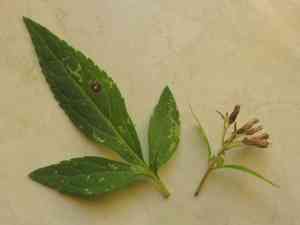
Distinguished by its unique lance-shaped foliage, spearleaf brickellbush thrives with yearly trimming to preserve its form and vitality. The most suitable period for this maintenance is in winter, while the plant is inactive. Essential methods involve excising lifeless or impaired branches to stimulate fresh development and reducing crowded sections to enhance airflow. Trimming spearleaf brickellbush fosters more energetic flowering phases and lessens the chance of illness, guaranteeing a sturdy and harmonious specimen.
What Are the Benefits of Pruning Spearleaf Brickellbush?
What Are the Benefits of Pruning Spearleaf Brickellbush?
Spearleaf brickellbush benefits from trimming by encouraging robust development and maintaining its form. Pruning improves its overall look, manages its size, and fosters healthier leaves. Additionally, it aids in warding off pests and diseases by enhancing air circulation around the plant.
What Is the Best Time for Pruning Spearleaf Brickellbush?
What Is the Best Time for Pruning Spearleaf Brickellbush?
Trimming spearleaf brickellbush during winter is considered ideal because this period typically coincides with the plant's dormant phase. Pruning during dormancy helps prevent excessive sap loss and stress on the plant. Furthermore, winter pruning lowers the risk of disease and pest infestations, which are more common during active growth seasons. This timing also allows the plant ample time to recover and promotes healthy, vigorous growth when the growing season resumes. Performing pruning in winter aligns with spearleaf brickellbush's natural growth cycle and supports overall plant health and optimal flowering in the subsequent season.
What Tools Do I Need to Prune Spearleaf Brickellbush?
Bypass Pruners
Perfect for precise cuts on living wood, crucial for maintaining the health and shape of spearleaf brickellbush.
Loppers
Useful for severing thicker branches that bypass pruners cannot handle, important for managing older, tougher stems of spearleaf brickellbush.
Pruning Saw
Essential for removing larger branches without harming the plant, ensuring proper growth and structure of spearleaf brickellbush.
Hedge Shears
Beneficial for shaping and light trimming to maintain a neat appearance of spearleaf brickellbush.
How to Prune Spearleaf Brickellbush
Assess
Start by thoroughly inspecting spearleaf brickellbush to identify withered leaves, dead branches, and diseased branches. Mark these areas for trimming.
Sterilize
Sanitize your pruning tools to prevent the spread of disease. Use a mixture of water and rubbing alcohol for disinfection.
Remove Withered Leaves
Carefully snip withered leaves at their base where they meet the stem, ensuring all deteriorated parts are removed.
Cut Dead Branches
Trim dead branches back to healthy tissue. Cut at a 45-degree angle to encourage healing and prevent water accumulation on the cut surface.
Dispose
Properly discard all trimmed materials to prevent potential disease spread. Do not compost diseased plant parts.
Common Pruning Mistakes with Spearleaf Brickellbush
Improper Technique
Using dull or dirty tools can result in jagged cuts, which may invite disease. Incorrect cutting angles, such as leaving stubs or cutting too close to the main stem, are also frequent errors.
Over-pruning
Removing too much foliage can stress the plant, hindering growth and vitality. This can also reduce the plant's ability to photosynthesize effectively.
Incorrect Timing
Pruning at the wrong time of year can disrupt the plant's natural growth cycle, potentially impacting flowering and overall health.
Common Pruning Tips for Spearleaf Brickellbush
Use Clean, Sharp Tools
Always disinfect pruning tools before and after use to prevent disease transmission. Sharp tools create clean cuts, promoting faster healing.
Make Clean, Angled Cuts
Cut at a 45-degree angle just above a node or bud to stimulate new growth. This aids in proper wound healing and encourages new shoots.
Moderate Pruning
Limit the amount of foliage you remove in one session to about 20-30%. This ensures the plant can still photosynthesize and recover effectively.
Assess Before Pruning
Evaluate the plant's overall health and structure. Remove dead, diseased, or damaged branches first, followed by any crossing branches that might cause issues as they grow.



