How to Transplant Long-stalked rape?
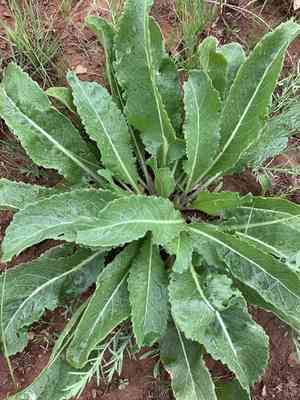
The most suitable period for relocating long-stalked rape is during temperate weather, generally spanning from late spring to early summer or from mid-autumn to late autumn, which allows for root development with reduced strain. Select a bright spot featuring soil that drains effectively. Pre-transplant soil conditioning simplifies the relocation process.
What Preparations are Needed Before Transplanting Long-stalked Rape?
What is the Ideal Time for Transplanting Long-stalked Rape?
The optimal period for relocating long-stalked rape is during the calm transitions of late spring into early summer or from mid-to-late autumn. These times avoid extreme weather, allowing long-stalked rape to develop strong roots in moderate soil, ensuring vigorous growth. Moving them during milder seasons minimizes shock for long-stalked rape, helping them flourish in their new spot with promising development.
How Much Space Should You Leave Between Long-stalked Rape Plants?
When getting ready to transplant long-stalked rape, aim to provide each plant ample room to thrive. Position them approximately 12-18 inches (30-46 cm) apart. This offers sufficient space for growth while ensuring mutual support as they mature, much like close companions in a garden.
What is the Best Soil Mix for Long-stalked Rape Transplanting?
For long-stalked rape, prepare the soil by selecting a loamy, well-draining mixture. Incorporate a balanced, slow-release fertilizer to give your plants a healthy start. Envision yourself preparing a nourishing meal for a cherished friend – this is essentially what you're doing for your plants!
Where Should You Relocate Your Long-stalked Rape?
Select a sunny location for long-stalked rape where the golden rays can nourish their leaves. They prefer a spot that receives full sun to partial shade. Consider it like choosing the perfect sunny beach spot – but for your garden inhabitants!
What Equipments Should You Prepare Before Transplantation Long-stalked Rape?
Gardening Gloves
To safeguard your hands while handling soil and plants.
Spade or Shovel
For carefully digging up the plant and creating a new hole for relocation.
Watering Can or Hose
To hydrate the plant before and after removal, and to moisten the new site.
Pruning Shears
To trim any damaged roots or excess foliage prior to transplanting.
Wheelbarrow or Plant Cart
To safely move the plant from one spot to another without causing harm.
Mulch
To apply around the base of long-stalked rape post-transplant to help retain soil moisture and regulate temperature.
Rooting Hormone (optional)
To stimulate root development in the new location for certain plants.
How Do You Remove Long-stalked Rape from the Soil?
How Do You Remove Long-stalked Rape from the Soil?
From Ground: Water long-stalked rape to moisten the soil. Use a spade or shovel to dig a wide circle around the plant, ensuring the root ball remains intact. Gently work the tool beneath the root ball and carefully lift the plant from the soil.From Pot: Tilt long-stalked rape's pot on its side and gently tap the bottom to loosen the root ball. Grasp the plant's base and carefully slide it out. If resistance occurs, run a knife along the pot's inner edge to free the roots.From Seedling Tray: Water the tray to ensure the soil is damp, which will facilitate easier root removal. Hold the base of long-stalked rape's stem and use a planting dibber or spoon to gently lift the plant and root ball from its cell.
Step-by-Step Guide for Transplanting Long-stalked Rape
Preparation
Gather all necessary tools and prepare the new planting site before beginning the removal process.
Removal
Carefully follow the removal procedures appropriate for long-stalked rape's current location, focusing on preserving the root ball and minimizing root disturbance.
Transit
If the plant is large, place it in a wheelbarrow or on a plant cart and gently transport long-stalked rape to its new spot.
Planting Hole
Dig a hole at the new location that is twice as wide and the same depth as the root ball. Place the plant into the hole at its original growing depth.
Adjustment
Position long-stalked rape ensuring it stands upright. If a planting stake is used, make sure the plant is securely fastened to it.
Refill
Gently backfill the hole with the excavated soil, patting it down to eliminate any air pockets around the root ball.
Water Thoroughly
Water the base of long-stalked rape generously after planting to settle the soil and hydrate the roots.
Mulching
Apply a layer of mulch around the base of long-stalked rape to aid in moisture retention and temperature regulation.
How Do You Care For Long-stalked Rape After Transplanting?
Protection
Utilize plant supports if needed to stabilize long-stalked rape against strong winds or heavy rainfall.
Monitoring
Regularly check soil moisture levels and maintain them appropriately; adjust watering frequency based on weather conditions.
Feeding
Though not immediately after transplanting, once established, provide long-stalked rape with suitable plant food to encourage healthy growth.
Pruning
Trim any dead or damaged foliage that may have resulted from transplant shock to promote new development.
Troubleshooting Common Issues with Long-stalked Rape Transplantation.
When's the best time to transplant long-stalked rape?
Aim for late spring to early summer or from mid-autumn to late autumn, utilizing mild weather for root establishment.
How far apart should I space long-stalked rape during transplanting?
Ideally, space them 12-18 inches (30-45 cm) apart to allow each plant room to grow and access nutrients.
What's the ideal soil for transplanting long-stalked rape?
Use well-drained, fertile soil with a near-neutral pH. Enhance with compost or aged manure for optimal results.
Should I water long-stalked rape immediately after transplanting?
Absolutely! Water generously right after transplanting to help roots settle and minimize transplant shock.
How deep should I plant long-stalked rape seedlings?
Transplant long-stalked rape at the same depth they were growing in their previous container to prevent stem rot or drying out.
Can I transplant long-stalked rape on a hot, sunny day?
It's best to transplant on a cloudy day or in the late afternoon to shield long-stalked rape from immediate sun exposure.
Why are my transplanted long-stalked rape wilting?
Wilting can indicate transplant shock. Ensure adequate watering and consider providing temporary shade if necessary.
How do I prevent root damage when transplanting long-stalked rape?
Handle with care - gently loosen the root ball and avoid squeezing or tearing roots to prevent stress and damage.
Why are my long-stalked rape seedlings not growing after transplanting?
Slow growth can be due to shock, insufficient watering, or poor soil conditions. Assess and adjust care as needed.
Can I transplant long-stalked rape in containers?
Certainly! Ensure containers are large enough for root growth and have drainage holes to prevent waterlogged soil.



