How to Propagate Long-stalked rape?
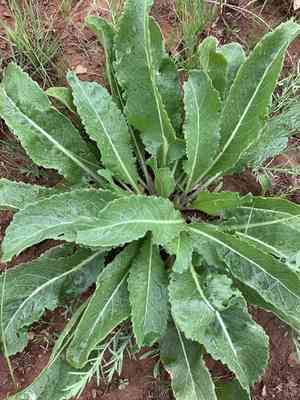
Hailing from the Brassicaceae lineage, long-stalked rape can be successfully multiplied via seeding. To achieve effective sprouting, seeds must be placed in soil that drains properly, alongside sufficient hydration and abundant light exposure. Proper soil depth and separation are vital, enabling young plants ample space to establish strong root structures. Careful handling of the tender shoots will aid in preventing harm during the thinning stages. Relocate young plants cautiously to avert stress, facilitating a smoother adaptation to their permanent cultivation sites.
Optimal Period for Propagating Long-stalked Rape?
Propagation Method
Seeding
Propagation Season
Spring
Tools Required for Long-stalked Rape Propagation?
Seed trays
Seed trays are vital for initiating long-stalked rape from seeds indoors prior to outdoor transplantation. These trays help maintain consistent conditions for sprouting and initial development. Their shallow compartments facilitate easy management of soil quality and moisture, boosting the germination rate of long-stalked rape.
Fine soil or seed starting mix
A fine-textured, nutrient-rich soil or seed starting mix is essential for the successful propagation of long-stalked rape via sowing. This medium supplies the necessary nutrients and aeration for seed germination and root development. A fine soil mix also prevents damping-off diseases, which can impact seedling viability.
Watering can with a fine rose
This implement is used for gently irrigating long-stalked rape seedlings without disturbing the soil or seeds. The fine rose attachment distributes water uniformly, ensuring that the delicate seeds and emerging roots of long-stalked rape receive adequate moisture without being dislodged.
Label and marker
Labels and markers are important for tracking sowing dates and variety information for long-stalked rape. Proper labeling aids in managing the cultivation process, especially when dealing with multiple species or varieties.
Grow lights (for indoor sowing)
Grow lights are beneficial, particularly if sowing long-stalked rape seeds indoors or during periods with limited natural sunlight. These lights provide the necessary light spectrum for photosynthesis and healthy seedling growth, ensuring robustness and better adaptation once transplanted outdoors.
How to Propagate Long-stalked Rape?
Propagation Type
Simple
How to Care for Your Newly Propagated Long-stalked Rape?
How to Care for Your Newly Propagated Long-stalked Rape?
Post-propagation, continue to provide long-stalked rape with consistent moisture, especially during dry spells. Fertilize with a balanced feed to encourage healthy growth. Providing support, such as staking, may be necessary as long-stalked rape grows taller to prevent stem breakage. Regularly check for pests and diseases and address them promptly to maintain the health of long-stalked rape.
Common Mistakes to Avoid When Propagating Long-stalked Rape
Overwatering
Excessive watering is a common error when propagating long-stalked rape. This can lead to waterlogged soil, hindering proper root development and increasing the risk of root diseases. An overly wet environment can be detrimental, particularly during the early growth stages, where the plant requires sufficient moisture but not an abundance.
Deep Planting
Planting the seeds or seedlings of long-stalked rape too deeply can impede their ability to emerge correctly. Deep planting may cause seeds to deplete their stored energy before reaching the surface, reducing germination rates and the plant's survival.
Ignoring Pest Management
Pests pose a significant threat to long-stalked rape, and neglecting pest control can result in severe damage and reduced vigor of young plants. Failure to manage pests like aphids and flea beetles, common to brassicas, can severely impact developmental stages.
Tips For Propagating Long-stalked Rape
Proper Soil Preparation
Prepare a well-draining soil mix that retains moisture without becoming waterlogged. Soil that offers both aeration and moisture retention promotes healthy root growth for long-stalked rape.
Seed Depth Awareness
Ensure that seeds are sown at an optimal depth. A shallow sowing, generally about twice the seed's diameter, allows for easier emergence of seedlings and more robust initial growth.
Regular Monitoring for Pests
Regular inspection for signs of pest infestation is crucial. Implementing appropriate integrated pest management practices such as using physical barriers, employing biological controls, or applying suitable organic pesticides can protect long-stalked rape during critical growth phases.



