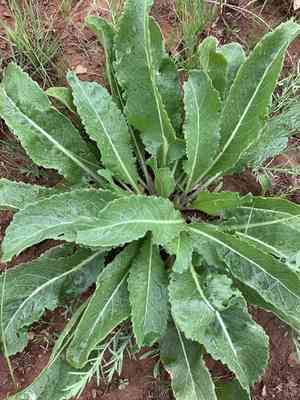
Long-stalked rape (Brassica elongata)
Also known as: Slender Mustard, Elongated Mustard
Long-stalked rape is known to be invasive in disturbed areas, but it is still widely cultivated because of its significant commercial value. The plant's seeds are rich in fatty acids, making them ideal for producing vegetable oil. This high economic potential drives its continued cultivation despite the ecological concerns.
In This Article
Attributes of Long-stalked rape
Lifespan
Perennial, Biennial
Plant Type
Herb
Plant Height
90 cm
Spread
10-15 cm
Leaf Color
Green Blue
Flower Size
0.5-1 cm
Flower Color
Yellow
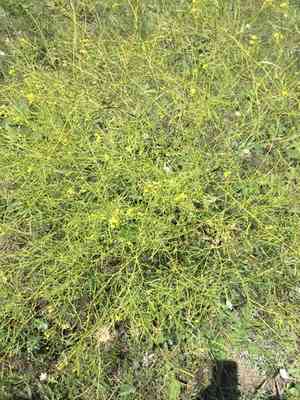
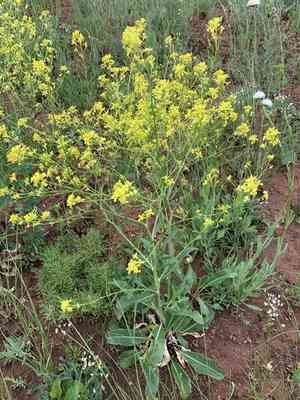
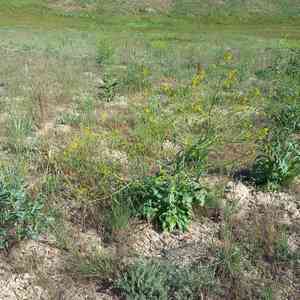
Images of Long-stalked rape
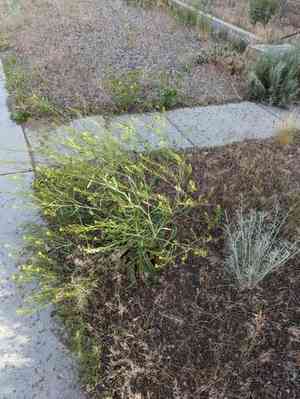
Quickly Identify Long-stalked rape
1
Look for elongated, linear leaves and tall, slender stems. The flowers are small, yellow, and clustered in tight racemes.
Scientific Classification of Long-stalked rape
Phylum
Vascular plants
Class
Dicotyledons
Order
Brassicales
Family
Cruciferae
Genus
Kales
Species
Long-stalked rape
Planting and Growing of Long-stalked rape
Care Difficulty
Easy
Watering Schedule
Every 3 days
Sunlight Requirements
Full sun
Sunshine Duration
6-8 hours
Ideal Temperature
60-75℉
Soil Type
Potting Mix, Peat Mix
Soil pH
6.5-7.5
Fertilizer Type
Balanced
Pruning Season
Spring, Summer
Pruning Area
Branches, Leaves
Pruning Frequency
2 times a year
Repotting Season
Spring
Pot Type
Terracotta, Plastic
 How to Water Long-stalked rape?
For Brassica elongata, the watering amount should ensure the soil is moist but not waterlogged. It's essential to provide around 500 ml of water per session, allowing the water to soak through the root zone thoroughly, ensuring proper hydration without drowning the roots.
What are the symptoms of an underwatered Long-stalked rape?
›
What should I do if my Long-stalked rape is not getting enough water?
›
What are the symptoms of an overwatered Long-stalked rape?
›
How to save an overwatered Long-stalked rape?
›
 What Are the Sunlight Requirements for Long-stalked rape?
Brassica elongata flourishes best in full to partial sunlight, with 6 to 8 hours being ideal. This light range supports photosynthesis, encouraging vigorous growth and a robust immune system against pests and diseases.
More About Sunlight Requirements Techniques→
What is the ideal environment for Brassica elongata?
›
What steps can I take to ensure the plant gets enough light?
›
What benefits does ideal lighting provide?
›
 What Is the Ideal Temperature Range for Long-stalked rape?
The ideal temperature range for Brassica elongata provides optimal conditions for growth and development. Ensuring temperatures between 60°F to 75°F helps in maximizing photosynthesis and promoting healthy flowering and foliage growth. This temperature range also aids in nutrient absorption and utilization, crucial for the plant's overall health.
 What Soil is Best for Long-stalked rape?
Brassica elongata thrives in nutrient-rich soil that supports its growth by providing essential minerals and nutrients. A fertile mix facilitates healthy leaf and flower development, promoting vigorous growth. This plant prefers well-draining soil to prevent root rot and fungal diseases. Adequate drainage ensures that the roots have access to oxygen and prevent waterlogged conditions, enhancing the plant's overall health. The soil should retain enough moisture to support the plant's hydration needs, especially during hot seasons. Brassica elongata benefits from soil that maintains moisture without becoming waterlogged, providing a balanced environment.
 How to Fertilize Long-stalked rape?
For Brassica elongata, use a balanced NPK liquid fertilizer diluted to half strength. Apply approximately 200-300 ml per plant during each liquid fertilization session. For slow-release fertilizers, evenly distribute around 30 grams in the soil per plant annually, ensuring it is mixed into the top few inches.
 How to Prune Long-stalked rape?
To prune Brassica elongata effectively, you need sharp pruners or garden scissors. Ensure these tools are clean and sharp for precise cuts that heal quickly. Start by cutting away any dead, damaged, or diseased leaves and stems. This prevents the spread of disease and encourages healthier new growth from the plant's core. Trim the plant strategically to ensure each part has access to sunlight and air. This open structure helps in preventing any fungal or pest issues due to overcrowded or damp conditions.
More About Pruning Techniques→
 How to Propagate Long-stalked rape plant?
1
Collect seeds from mature Brassica elongata plants after they have dried on the plant. Clean and dry the seeds properly before storing them until the planting season.
2
Fill seed trays with potting mix and sow the seeds on the surface. Cover them lightly with soil, as they need light to germinate. Water gently and keep the tray in a warm location.
3
Once the seedlings have developed a few true leaves, they should be transplanted into larger pots or directly into the garden. Ensure they are spaced adequately to prevent overcrowding.
 How to Repot Long-stalked rape plant?
1
Brassica elongata shows signs of needing repotting when its roots start to emerge through the drainage holes, the plant looks top-heavy, or growth is significantly slowed even with proper care. Ideally, aim to repot during the growing seasons of spring or early summer for minimal stress on the plant.
2
Select a pot that is one to two sizes larger than the current one, ensuring it has proper drainage holes. A slightly larger pot provides the necessary space for root expansion and better air circulation, preventing root rot and fostering healthier plant growth.
3
Opt for a well-draining sandy loam soil mix that allows adequate air flow and moisture retention without waterlogging. This type of soil closely mimics its natural habitat, providing the essential conditions for robust root development and vibrant foliage.
Learn More About Long-stalked rape Diseases
Bacterial Leaf Spot
Bacterial Soft Rot
Clubroot
Cyst Nematode
Damping-off
Downy Mildew
Fusarium Wilt
Gray Mold
Leaf Spot
Mosaic
Powdery Mildew
Root Rot
Root-knot Nematode
Rusts
White Mold
Chemical Injury
Drought Stress
Nutrient Deficiency
Nutrient Toxicity
Temperature Stress
Spider Mites
Thrips Damage



