How Much Sunlight Do Long-stalked rape Need?
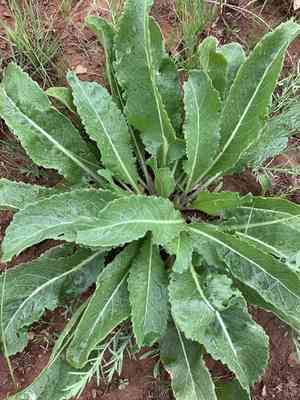
1
Long-stalked rape flourishes optimally with ample sunlight, needing over 6 hours of direct sun daily.
2
Long-stalked rape can endure partial sun, or 3-6 hours of sunlight, though it's not ideal for peak development.
3
Provide steady illumination to prevent developmental problems in Long-stalked rape.
Optimal Light Conditions for Long-stalked rape
Maximizing Light Exposure
To maximize light exposure for Long-stalked rape, understanding its native environment is key. This plant flourishes in full sun, needing at least six hours of direct sunlight daily. Aim to place it where it gets morning to early afternoon sun, as this light is typically the strongest and most beneficial. Proper placement ensures sufficient light for photosynthesis, vital for its growth and health.
Seasonal Light Requirement Adjustments
Seasonal shifts can impact the sunlight your Long-stalked rape receives. In summer, days are longer with more abundant sunlight. Conversely, winter brings shorter days and a lower sun angle, reducing light exposure. During these periods, you might need to relocate the plant or use supplemental artificial lighting to sustain its growth cycle. Consistency is crucial to prevent stress and ensure a healthy plant.
How to Position Long-stalked rape for Maximum Sunlight
Outdoor Placement
For outdoor Long-stalked rape, choose a spot with unobstructed sunlight for most of the day. South-facing gardens or open fields, free from long shadows cast by buildings or trees, are ideal. If using containers, you can move them to follow the sun. Be mindful of soil conditions; this plant prefers well-draining soil to avoid root rot.
Indoor Placement Considerations
If growing Long-stalked rape indoors, position it near a sunny window, preferably south or west-facing. These windows allow the most sunlight throughout the day. As indoor plants often struggle with low light, consider using grow lights, especially in winter when natural daylight is scarce. Rotate the plant regularly to ensure even light distribution and prevent it from leaning towards the light source.
Effects of Too Much or Too Little Sun on Long-stalked rape
Signs of Insufficient Sunlight
Long-stalked rape exhibiting signs of inadequate sunlight may become leggy, with elongated, thin stems and sparse foliage. Its growth rate might slow, and leaves could yellow due to insufficient photosynthesis. To remedy this, gradually move the plant to a brighter location or increase artificial lighting duration if grown indoors.
Signs of Excessive Sunlight
Conversely, too much sunlight can cause leaves to scorch or develop sunburn spots, appearing as whitish or brown patches. The plant may wilt despite adequate watering. Providing some afternoon shade, especially during peak sun hours, can help protect it from intense sunlight.
Corrective Actions to Take
To fix insufficient sunlight, move the plant to a more illuminated area. For indoor plants, grow lights can supplement natural light. In cases of excessive sunlight, using shade cloth or relocating the plant to a partially shaded spot during the hottest part of the day will help. Monitor your plant regularly, adjusting its position as needed to maintain balanced light exposure.
Additional Tips for Sunlight Management for Long-stalked rape
Utilizing Grow Lights
Grow lights are an excellent solution for indoor gardeners and during months with reduced natural sunlight. LED grow lights are preferred due to their energy efficiency and effective light spectrum for plant growth. Position them approximately 15-30 cm (6-12 inches) above the plant to mimic the natural sunlight cycle.
Protecting from Harsh Sunlight
If your Long-stalked rape is outdoors, consider using shade cloth or garden netting to shield it from intense afternoon sun, particularly during peak summer. This helps prevent leaf scorch and plant stress. Shade cloth with 20-40% density typically works well without depriving the plant of essential sunlight.
Ensuring Consistent Light Exposure
For consistent light exposure, follow a structured routine. Regularly check and adjust the plant's position to ensure it receives steady sunlight. Avoid abrupt changes in light conditions, as this can confuse and stress the plant. Consistency aids in maintaining steady growth and a healthier plant overall.



