How to Transplant Slender false brome?
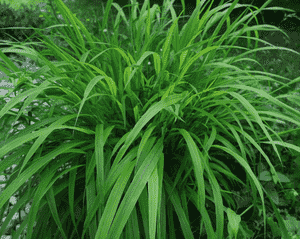
For slender false brome, the optimal time for relocation is at the transition of flourishing periods—after the peak of spring but before the summer's midpoint. Choose a location that offers partial shade and soil that is damp yet drains effectively. Handle with care to preserve the roots and facilitate successful establishment.
What Preparations are Needed Before Transplanting Slender False Brome?
What is the Ideal Time for Transplanting Slender False Brome?
The optimal period for relocating slender false brome is as spring transitions into warmer conditions, approaching the vibrant summer months. This gentle shift aids root establishment and minimizes shock. Providing attentive care to slender false brome during this phase promotes its development, as the soil is warm yet moist, ensuring roots expand effectively. Moving them to a new location in these months means less stress for slender false brome, and more thriving greenery for you!
How Much Space Should You Leave Between Slender False Brome Plants?
Hello, gardening enthusiast! When rehousing your slender false brome, aim for a spacing of approximately 6-12 inches (15-30 cm). This will provide your plants with ample room to thrive without becoming overcrowded!
What is the Best Soil Mix for Slender False Brome Transplanting?
For a flourishing slender false brome, prepare the soil like a comfortable bed! They prefer well-draining ground, enriched with compost to give them a strong start. A light application of balanced, slow-release fertilizer will set them up for success.
Where Should You Relocate Your Slender False Brome?
Your slender false brome thrives in a sunny location with some afternoon shade, much like an early riser who enjoys a midday rest! Find a spot for them where they will receive ample sunlight but be shielded from the most intense midday rays.
What Equipments Should You Prepare Before Transplantation Slender False Brome?
Gardening Gloves
To safeguard your hands while handling soil and slender false brome.
Shovel or Garden Spade
To excavate the slender false brome without harming its root system.
Hand Trowel
For more delicate tasks or smaller slender false brome specimens.
Watering Can or Hose
To hydrate the slender false brome before and after its relocation.
Wheelbarrow or Garden Cart
To move the slender false brome from its original spot to the new planting area.
Stakes and Ties
To support the slender false brome if it needs stabilization post-transplant.
Bypass Pruners
For any necessary trimming prior to transplanting.
How Do You Remove Slender False Brome from the Soil?
How Do You Remove Slender False Brome from the Soil?
From Ground: First, moisten the soil around the slender false brome plant to make it easier to work with. Using a shovel or spade, dig a wide trench around the slender false brome, being careful not to damage the root ball. Gently slide the spade under the root ball and carefully lift the slender false brome from the ground.From Pot: Carefully invert the pot and tap its base to help loosen the slender false brome's root ball. Support the slender false brome with your hand, and gently ease it out of the pot, keeping the soil and roots intact.From Seedling Tray: Water the tray beforehand to dampen the soil. Use a hand trowel or similar tool to carefully separate individual slender false brome seedlings from their cells, taking care not to harm the delicate roots.
Step-by-Step Guide for Transplanting Slender False Brome
Digging the New Hole
Excavate a hole in the ground that is twice the width and equal to the depth of the slender false brome's root ball.
Observing Root Health
Gently inspect the slender false brome's root ball for any circling or constricted roots and loosen them if required.
Placement
Carefully lower the slender false brome into the new hole, ensuring the top of the root ball is level with the surrounding ground.
Refilling the Hole
Backfill the hole with the excavated soil, gently firming it around the base of the slender false brome to eliminate air pockets.
Watering
Thoroughly water the slender false brome after planting to help settle the soil and remove any remaining air gaps around the roots.
Staking (if necessary)
If the slender false brome is tall or unstable, insert stakes around the plant and use ties to secure it, avoiding any damage to the stem or root ball.
How Do You Care For Slender False Brome After Transplanting?
Mulching
Apply a layer of organic mulch around the slender false brome, keeping it clear of the direct stem area, to help retain soil moisture and regulate temperature.
Monitoring
Observe the slender false brome for signs of stress, such as wilting or discolored leaves, and respond with appropriate care.
Support
Adjust stakes and ties as the slender false brome grows to prevent damage and encourage upright development.
Pruning
Trim any dead or damaged foliage from the slender false brome to direct the plant's energy towards healthy growth and maintain a neat appearance.
Troubleshooting Common Issues with Slender False Brome Transplantation.
What's the best timing to transplant slender false brome?
Relocate slender false brome during late spring or early summer for optimal results, when the weather is mild.
How far apart should I space slender false brome when transplanting?
Allow 6-12 inches (15-30 cm) between each slender false brome for adequate growth and air circulation.
Why is my slender false brome wilting after transplantation?
Wilting can occur due to transplant shock. Ensure proper watering, avoid full sun, and reduce stress.
How deep should the planting hole be for slender false brome?
The hole should be as deep as the root ball but twice as wide to encourage spread.
What soil conditions favor slender false brome transplantation?
Plant slender false brome in well-draining soil with ample organic matter to retain moisture and provide nutrients.
How often should I water slender false brome after transplanting?
Water slender false brome generously after transplanting, then regularly to maintain moist, but not soggy soil.
What should I do if slender false brome shows yellowing leaves post-transplant?
Yellowing may indicate overwatering or nutrient deficiency. Adjust watering and consider a balanced fertilizer.
Is it necessary to prune slender false brome during transplant?
Light pruning can help reduce transplant shock, but focus on removing only damaged or dead foliage.
How do I protect slender false brome from pests during transplant?
Inspect and gently wash roots before planting. Use organic mulch to deter pests.
Could cold temperatures affect newly transplanted slender false brome?
Yes, protect slender false brome from late frosts by covering with frost blankets or mulch to insulate roots.



