How to Propagate Slender false brome?
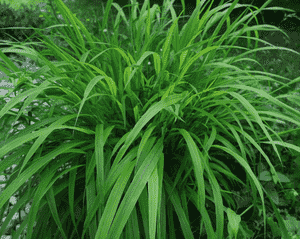
Slender false brome is successfully multiplied via separation, a technique highly appropriate for this enduring grass. For optimal results, separate the plant during cooler periods of the day and immediately transplant the sections. Verify that each piece possesses sufficient root mass and multiple sprouts to facilitate its integration into new environments. Provide ample water following transplantation to assist in recuperation and stimulate swift root growth.
Optimal Time for Slender False Brome Propagation
Propagation Type
Division
Propagation Season
Spring,Autumn
Tools for Slender False Brome Propagation
Spade or garden fork
Utilized for excavating around the root system of slender false brome and carefully lifting clumps from the ground. Its sharp, robust blades are particularly effective for penetrating soil with minimal effort, ensuring slender false brome roots remain undamaged during initial removal. This tool is vital for dividing the root structure without causing excessive harm.
Pruning shears
Essential for trimming and cleaning roots, and removing any dead or surplus foliage prior to slender false brome propagation. Pruning shears help maintain plant health by eliminating parts that could potentially deplete resources from new growth. The precise, clean cuts made by these shears prevent damage and disease, fostering healthier regrowth.
Garden knife
Employed to meticulously cut through the root mass when more delicate incisions are required than a spade can provide. This enables precise division of slender false brome, customized to the specific size or shape of the root ball, ensuring each section possesses sufficient roots to support regrowth.
Watering can or hose with a gentle spray head
Offers a delicate method for watering slender false brome after transplanting divisions to new locations. Proper hydration is critical for the recovery and establishment of new plants. The gentle spray ensures the soil around newly planted divisions remains undisturbed, aiding slender false brome in establishing more effectively in its new environment.
How to Propagate Slender False Brome?
Propagation Type
Easy
Caring for Newly Propagated Slender False Brome
Caring for Newly Propagated Slender False Brome
Post-propagation, keep slender false brome soil consistently moist but not waterlogged. Provide partial shade to shield young plants from intense sunlight, which can be too harsh. Regularly monitor for pests and diseases, treating promptly if necessary. Gradually reduce watering as slender false brome becomes more established, adapting to local moisture conditions. Apply mulch around plants to retain soil moisture and suppress weed growth.
Common Errors to Avoid When Propagating Slender False Brome
Inadequate Soil Preparation
Failure to properly prepare the soil can impede root development for slender false brome. This grass thrives in well-draining soil; compacted or clay-heavy soils can restrict growth and lead to root rot.
Overwatering
While slender false brome requires moist conditions, excessive watering, especially during propagation, can result in fungal diseases and root rot. This can significantly decrease the survival rate of new plants.
Deep Planting
Planting slender false brome seeds or divisions too deeply can hinder proper germination and growth. Seeds and young plants need light and air to establish.
Ignoring Aeration
Neglecting to aerate the area where slender false brome is being propagated can lead to insufficient oxygen supply to the roots, impairing plant health and growth.
Tips For Propagating Slender False Brome
Soil Composition Adjustment
Enriching the soil with organic matter like compost or peat can enhance drainage and nutrient content, providing a superior environment for slender false brome's roots.
Moisture Management
Maintain consistent moisture levels without waterlogging. Use a spray or drip system to gently water plants, ensuring the soil is damp but not saturated.
Shallow Planting
Sow slender false brome seeds on the soil surface or lightly cover them with a thin layer of soil. This exposes them to sufficient light for proper germination.
Regular Aeration
Periodically loosen the soil around the propagated area to ensure adequate air reaches slender false brome roots, promoting healthier growth and reducing the risk of soil compaction.



