How to Prune Slender false brome?
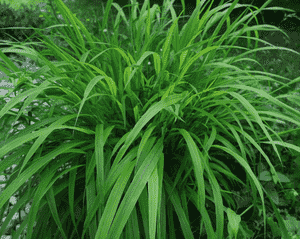
This enduring grass flourishes in wooded areas and open forest spaces, recognized by its delicate stalks and elongated inflorescences. For slender false brome, trim away deceased leaves in early spring or throughout winter to stimulate new development. Trimming during its inactive period lessens strain and fosters a more robust subsequent cycle. Eliminating aged stems improves light access and lowers the chance of illness, crucial for preserving the plant's strength. Use sharp clippers, cutting near the soil level, to guarantee a precise and efficient trim.
What Are the Benefits of Pruning Slender False Brome?
What Are the Benefits of Pruning Slender False Brome?
Trimming slender false brome encourages robust development and helps maintain its desired form, ensuring a neat look and fostering a healthier, more vibrant specimen.
What Is the Best Time for Pruning Slender False Brome?
What Is the Best Time for Pruning Slender False Brome?
Trimming slender false brome in early spring is recommended as it precedes the active growth period. Pruning at this time allows slender false brome to recover quickly and channel its energy into developing new shoots and leaves, leading to a more vigorous growing season. Winter pruning is also suitable for slender false brome because it is typically dormant during this time. Pruning while the plant is inactive minimizes stress and lowers the risk of disease transmission, as fewer active pathogens are present. Additionally, the absence of foliage in winter offers better visibility, enabling more precise cuts and shaping. Both these seasons avoid disrupting slender false brome's flowering or fruiting cycles, thus not affecting its reproductive process.
What Tools Do I Need to Prune Slender False Brome?
Hand Pruners (Secateurs)
Hand pruners are ideal for making accurate cuts on slender false brome, allowing the removal of dead or overgrown foliage without harming the rest of the plant.
Grass Shears
Slender false brome, being a grass species, can benefit from grass shears for evenly trimming and shaping its foliage, which is particularly useful for maintaining its ornamental appearance.
Long-Handled Loppers
For slender false brome plants with thicker stems, long-handled loppers provide leverage and reach, simplifying pruning without needing to bend over.
How to Prune Slender False Brome
Disinfect tools
Before beginning, ensure all pruning tools are sanitized to prevent the spread of diseases to slender false brome. Clean tools with a 1:9 bleach-to-water solution or rubbing alcohol.
Identify
Locate the diseased and withered leaves on slender false brome. Look for foliage showing discoloration, spots, or signs of wilting that are beyond recovery.
Cut diseased leaves
Using sharp pruning shears, carefully snip off diseased leaves at their base where they connect to the stem or the larger leaf branch. Avoid tearing to prevent damage to slender false brome.
Cut withered leaves
Similarly, remove withered leaves. Make clean cuts at their bases as close as possible to the main stem without harming the healthy parts of slender false brome.
Cleanup
After pruning, collect and dispose of the removed leaves away from slender false brome to prevent the potential spread of diseases or attraction of pests.
Common Pruning Mistakes with Slender False Brome
Incorrect Technique
Using dull or unclean tools can harm slender false brome stems, leading to improper cuts and potential disease. Additionally, cutting at incorrect angles may impede optimal regrowth.
Over Pruning
Removing too much foliage at once can stress slender false brome, slow its growth, and potentially lead to its demise if the plant cannot photosynthesize adequately.
Pruning Healthy Growth
Indiscriminately cutting healthy growth can weaken slender false brome, so it's crucial to target only areas needing removal, such as dead or diseased foliage.
Ignoring Plant Shape
Failing to consider slender false brome's natural form when pruning can result in an unbalanced or unnatural appearance, impacting its overall health and aesthetic appeal.
Common Pruning Tips for Slender False Brome
Clean Equipment
Ensure all pruning tools are sharp and sterilized before use to make clean cuts and reduce the risk of introducing pathogens to slender false brome.
Methodical Pruning
Prune gradually, evaluating the plant after each cut. This careful approach helps avoid removing too much foliage and maintains the plantâs shape.
Dead and Diseased Foliage
Identify and selectively remove dead, diseased, or overcrowded stems first. This promotes air circulation and redirects energy to healthy growth in slender false brome.
Cutting Technique
Make cuts at a 45-degree angle, a few millimeters above a bud or branching point, to encourage proper healing and new growth direction in slender false brome.
Rejuvenation
If slender false brome has become overgrown, consider a gradual approach to rejuvenation pruning over a few seasons to prevent shocking the plant and to maintain health and vigor.



