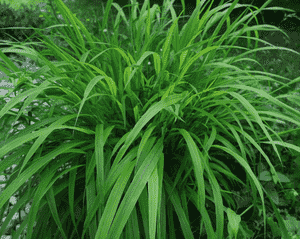
Slender false brome (Brachypodium sylvaticum)
Also known as: False wood brome, Perennial false-brome
Bottlebrush Grass (Elymus hystrix) is a perennial grass typically found in forests and well-drained woodland areas. It grows in clumps with dark green and bright yellow-green fringed blades. During the summer, it produces long, bristly spikes of flowers.
In This Article
Attributes of Slender false brome
Lifespan
Perennial
Plant Type
Grass
Plant Height
61 cm to 91 cm
Spread
40 cm
Leaf Color
Green Yellow
Flower Size
6 cm to 20 cm
Flower Color
Green
Images of Slender false brome
Quickly Identify Slender false brome
1
The plant can be recognized by its loosely tufted growth, flat leaf blades with a pronounced midrib, and its drooping, spike-like inflorescences.
Scientific Classification of Slender false brome
Phylum
Vascular plants
Class
Monocotyledons
Order
Poales
Family
Grass
Genus
False bromes
Species
Slender false brome
Planting and Growing of Slender false brome
Care Difficulty
Easy
Watering Schedule
Every 2 days
Sunlight Requirements
Partial sun
Sunshine Duration
4-8 hours
Ideal Temperature
50-77℉
Soil Type
Potting Mix, Peat Mix
Soil pH
6.5-7.5
Fertilizer Type
Balanced
Pruning Season
Spring, Summer
Pruning Area
Branches, Leaves
Pruning Frequency
2 times a year
Repotting Season
Spring
Pot Type
Terracotta, Plastic
 How to Water Slender false brome?
The watering amount for Brachypodium sylvaticum should be sufficient to keep the soil consistently moist, yet not soggy. Around 250 milliliters per watering is typically adequate, ensuring the top inch of soil remains adequately damp without waterlogging the roots.
What are the symptoms of an underwatered Slender false brome?
›
What should I do if my Slender false brome is not getting enough water?
›
What are the symptoms of an overwatered Slender false brome?
›
How to save an overwatered Slender false brome?
›
 What Are the Sunlight Requirements for Slender false brome?
Brachypodium sylvaticum prefers partial sun to full shade conditions. Ideally, providing dappled sunlight helps simulate the light conditions of its native forest habitat, promoting optimal growth, lush foliage, and stress-free development.
More About Sunlight Requirements Techniques→
How much light does it prefer?
›
What are the benefits of ideal lighting?
›
How to achieve the ideal lighting?
›
 What Is the Ideal Temperature Range for Slender false brome?
Brachypodium sylvaticum thrives best in mild climates with temperatures ranging from 50 to 77°F. This range allows for optimal metabolic activity and growth. Slight variations might be tolerated, but consistency within this range is ideal for the plant’s development.
 What Soil is Best for Slender false brome?
Brachypodium sylvaticum requires soil with excellent drainage to prevent waterlogging, which can lead to root rot. Ensuring the soil doesn't retain excessive moisture helps in maintaining a healthy root system, allowing the plant to thrive robustly. This plant flourishes in nutrient-rich soil that provides essential minerals for growth. Incorporating organic matter or compost can significantly boost the soil's fertility, fostering vigorous growth and enhancing foliage. While good drainage is crucial, the soil should also retain adequate moisture to sustain the plant during dry spells. Sandy loam soils are particularly beneficial, as they balance drainage with moisture retention, ensuring the plant's hydration.
 How to Fertilize Slender false brome?
For Brachypodium sylvaticum, it's crucial not to over-fertilize. A light application of a balanced 10-10-10 liquid fertilizer, at one-quarter strength mixed according to label instructions, is generally sufficient to meet the plant's nutrient needs while avoiding potential toxicity.
 How to Prune Slender false brome?
Begin by removing any dead or damaged leaves or stems. This encourages healthy growth by allowing the plant to redirect nutrients to thriving parts. Trim back any overgrown stems to maintain a tidy appearance. Ensure enough space between shoots for good airflow, which helps prevent fungal diseases. Be cautious not to remove more than one-third of the plant at a time. Over-pruning can stress the plant and make it more susceptible to diseases or slow growth.
More About Pruning Techniques→
 How to Propagate Slender false brome plant?
1
Collect seeds in late summer when the seed heads dry. Ensure they are fully matured and dry them fully before storing them in a cool, dry place until planting.
2
Prepare light, well-draining soil for seeds. Loosen the soil with a garden fork and incorporate organic material to improve texture and fertility, enhancing seedling establishment.
3
Sow seeds thinly, covering them lightly with soil. Keep the soil moist but not waterlogged, and maintain consistent light exposure. Opt for early spring or early summer sowing for best results.
 How to Repot Slender false brome plant?
1
Repot Brachypodium sylvaticum when you notice roots protruding from the drainage holes, indicating the plant has outgrown its current pot. This typically occurs every 2-3 years or when the soil's quality has deteriorated, affecting healthy growth.
2
Select a pot with sufficient drainage holes and only slightly larger than the current one to prevent waterlogging. A terracotta pot is ideal, as it allows soil to 'breathe', promoting root health and preventing overwatering issues.
3
Opt for a well-draining, loamy mix that facilitates nutrient retention and root aeration. This type of soil prevents root rot by ensuring excess water can drain away swiftly, while still providing essential nutrients and moisture.



