How to Transplant False japanese bromegrass?
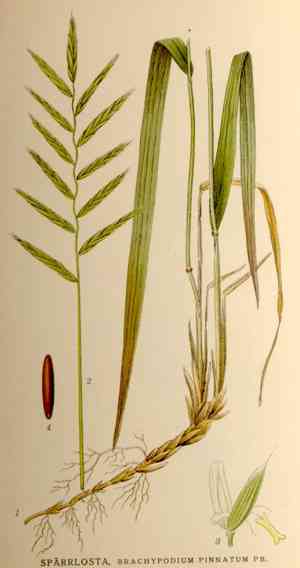
For false japanese bromegrass, the ideal period for relocating is from the late-spring emergence through the pleasant start of summer, due to its preference for consistent warmth and stable atmospheric conditions. Select a site that provides abundant solar exposure and soil that drains effectively. A helpful tip: careful manipulation guarantees successful adaptation.
What Preparations are Needed Before Transplanting False Japanese Bromegrass?
What is the Ideal Time for Transplanting False Japanese Bromegrass?
The best period to move false japanese bromegrass is from the peak of mid-spring through the beginning of early summer. This timing aligns with false japanese bromegrass's natural growth cycle, allowing roots to settle in the warming ground. Utilizing this window ensures your false japanese bromegrass has ample time to adjust before the intense summer heat arrives. Additionally, you'll greet the subsequent spring with a well-rooted and flourishing false japanese bromegrass.
How Much Space Should You Leave Between False Japanese Bromegrass Plants?
Aim to space your false japanese bromegrass transplants approximately 18-24 inches (45-60 cm) apart. This provides each false japanese bromegrass sufficient room to develop and thrive without crowding, which can lead to competition for nutrients and light.
What is the Best Soil Mix for False Japanese Bromegrass Transplanting?
Prepare a well-draining soil, rich in organic material, for your false japanese bromegrass. A suitable foundational fertilizer to incorporate is a balanced, slow-release type, such as a 10-10-10 blend. This will aid your false japanese bromegrass in developing a robust root system.
Where Should You Relocate Your False Japanese Bromegrass?
Select a sunny location in your garden where your false japanese bromegrass will receive full to partial sunlight. This typically means about 6 to 8 hours of direct sun daily. False japanese bromegrass flourishes with a mix of light and shade, so choose a spot that isn't overly shaded.
What Equipments Should You Prepare Before Transplantation False Japanese Bromegrass?
Gardening Gloves
To safeguard your hands while handling soil and false japanese bromegrass.
Spade or Shovel
For excavating the plant from its original spot and preparing the new planting hole.
Hand Trowel
For more precise digging tasks and moving young plants.
Watering Can
To hydrate false japanese bromegrass before and after relocation.
Pruning Shears
To remove any dead or damaged roots or foliage.
Garden Hose or Water Source
For thorough irrigation.
Wheelbarrow or Garden Cart
To transport false japanese bromegrass and soil.
Rooting Hormone (optional)
To stimulate root growth if moving from seedling trays.
How Do You Remove False Japanese Bromegrass from the Soil?
How Do You Remove False Japanese Bromegrass from the Soil?
From Ground: First, moisten the false japanese bromegrass plant's soil with water. Then, dig a wide trench around the plant using a shovel or spade, ensuring the plant's root ball stays intact. Carefully work the spade beneath the root ball to lift the plant from its initial position.From Pot: Begin by watering false japanese bromegrass to make the soil damp, which facilitates removal. Tilt the pot on its side and gently tap to loosen the plant. Using your hand or a trowel, slide false japanese bromegrass out of the pot, keeping soil and roots as undisturbed as possible.From Seedling Tray: Water the seedlings to dampen the soil. Using a trowel or your fingers, carefully lift the false japanese bromegrass seedling from its tray. Be cautious not to harm the delicate roots during this process.
Step-by-Step Guide for Transplanting False Japanese Bromegrass
Transplanting Time
Move false japanese bromegrass during its inactive phase or early spring to minimize shock and encourage strong root development.
Preparing the New Site
Dig a hole twice the width of the root ball but no deeper than its current level. This allows roots to spread easily.
Inspect the Roots
Before planting, examine false japanese bromegrass's root ball and trim any broken or diseased roots with clean, sharp pruning shears.
Placement
Position false japanese bromegrass in the center of the hole at the same depth it was previously. Backfill the hole with soil, gently firming it down without excessive compaction.
Watering
Water false japanese bromegrass thoroughly after transplanting to settle the soil and hydrate the roots.
Mulching
Apply a layer of organic mulch around false japanese bromegrass, keeping it away from the plant's stem to retain moisture and regulate soil temperature.
How Do You Care For False Japanese Bromegrass After Transplanting?
Checking Roots
Periodically monitor false japanese bromegrass's root growth to ensure proper establishment in the new spot without decay.
Maintain Moisture
Keep the soil consistently damp for false japanese bromegrass, watering when the top inch of soil feels dry.
Protection
In the initial weeks, shield false japanese bromegrass from strong winds or extreme temperatures to lessen stress.
Observation
Regularly check false japanese bromegrass for signs of stress or disease and intervene if necessary.
Gradual Adaptation
Allow false japanese bromegrass to slowly adjust to full sun exposure if it shows signs of sunburn or stress.
Feeding
After a few weeks, once false japanese bromegrass is settled, begin a regular fertilization routine using a balanced, slow-release fertilizer according to package directions.
Troubleshooting Common Issues with False Japanese Bromegrass Transplantation.
What's the best time to transplant false japanese bromegrass?
The optimal period for moving false japanese bromegrass is from mid-spring to early summer, providing ideal growth conditions.
How far apart should I space false japanese bromegrass during transplanting?
For healthy development, space false japanese bromegrass plants approximately 18-24 inches (45-60 cm) apart, giving them ample room to flourish.
Can I transplant false japanese bromegrass during the heat of summer?
Moving false japanese bromegrass in intense heat can stress the plant; it's preferable to transplant in cooler conditions.
How deep should the hole be for transplanting false japanese bromegrass?
Dig a hole that's twice the width of the root ball and the same depth to ensure stability and growth.
Why is my transplanted false japanese bromegrass wilting?
Wilting after transplanting may indicate water stress. Ensure you're providing sufficient moisture without overwatering.
Should I fertilize false japanese bromegrass after transplanting?
Wait 4-6 weeks before fertilizing to allow false japanese bromegrass to establish. Use a balanced fertilizer as per label instructions.
How much should I water false japanese bromegrass after transplanting?
Water generously immediately after transplanting and then adjust to keep the soil consistently moist, not waterlogged.
When can I expect my transplanted false japanese bromegrass to start growing?
Growth rates can differ, but false japanese bromegrass typically begins to establish within a few weeks under favorable conditions.
What should I do if the leaves of false japanese bromegrass start yellowing?
Yellow leaves might signal over-watering or poor drainage. Check soil moisture levels and modify watering practices.
Is it normal for false japanese bromegrass to look droopy after transplanting?
It's common for plants to experience transplant shock. Keep the soil moist, and false japanese bromegrass should recover over time.



