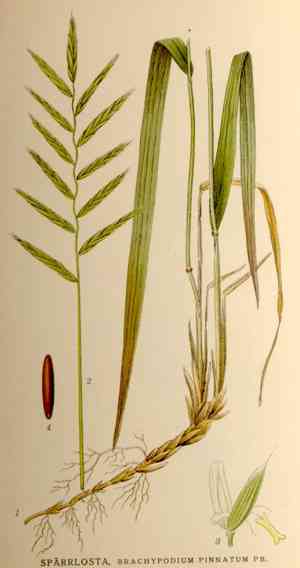
False japanese bromegrass (Brachypodium pinnatum)
Also known as: Tor-grass, False chalk bromegrass, Chalk false bromegrass
False Japanese bromegrass (Bromus arvensis) serves as a host plant for various insects, including the Essex skipper caterpillar. It also supports other insects like aphids, cicadas, and leafhoppers. Remarkably resilient, this grass can withstand fires, grazing, and mowing. You can often find it thriving in grasslands, along roadsides, and near railways.
In This Article
Attributes of False japanese bromegrass
Lifespan
Perennial
Plant Type
Grass
Plant Height
70 cm to 1.2 m
Spread
N/A - Grass does not form a crown
Leaf Color
Green
Flower Size
5 cm to 20 cm
Flower Color
Green to purplish
Images of False japanese bromegrass
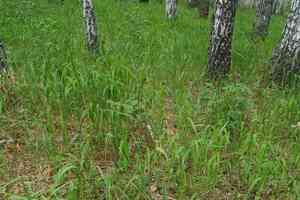
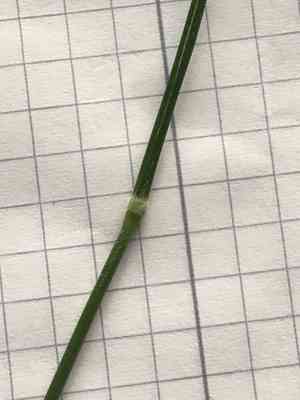
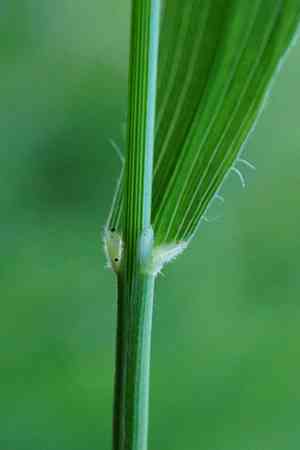
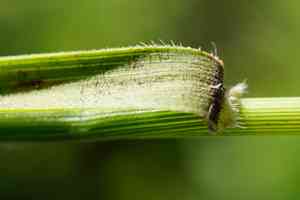
Quickly Identify False japanese bromegrass
1
Tor-grass can be identified by its tall, stiff, and erect stems, with narrow and flat leaves. The inflorescence is a loose panicle with spikelets that are often dark green or purplish. The ligule is a prominent feature, being short and membranaceous.
Scientific Classification of False japanese bromegrass
Phylum
Vascular plants
Class
Monocotyledons
Order
Poales
Family
Grass
Genus
False bromes
Species
False japanese bromegrass
Planting and Growing of False japanese bromegrass
Care Difficulty
Easy
Watering Schedule
Every 2 days
Sunlight Requirements
Full sun
Sunshine Duration
4-8 hours
Ideal Temperature
59-77℉
Soil Type
Potting Mix, Peat Mix
Soil pH
6.5-7.5
Fertilizer Type
Balanced
Pruning Season
Spring, Summer
Pruning Area
Branches, Leaves
Pruning Frequency
2 times a year
Repotting Season
Spring
Pot Type
Plastic, Ceramic
 How to Water False japanese bromegrass?
For Brachypodium pinnatum, the watering amount should be around 300 milliliters per session. Ensure the soil becomes evenly moist but not soggy. This grass prefers a well-balanced moisture level, mimicking its natural habitat's seasonal rainfall. It's best to water until you see slight drainage from the pot's bottom holes.
What are the symptoms of an underwatered False japanese bromegrass?
›
What should I do if my False japanese bromegrass is not getting enough water?
›
What are the symptoms of an overwatered False japanese bromegrass?
›
How to save an overwatered False japanese bromegrass?
›
 What Are the Sunlight Requirements for False japanese bromegrass?
Brachypodium pinnatum thrives best in half-day sunlight to full sunlight environments, allowing it to photosynthesize adequately, promoting healthy foliage and strong root development.
What is the optimal lighting setup for Brachypodium pinnatum?
›
How can I ensure my Brachypodium pinnatum gets ideal light conditions?
›
What benefits does Brachypodium pinnatum gain from ideal light exposure?
›
 What Is the Ideal Temperature Range for False japanese bromegrass?
The ideal temperature range for Brachypodium pinnatum is between 59°F and 77°F. In this range, the plant can maintain optimal growth and physiological processes. The temperate environment ensures that the metabolic activities function smoothly, supporting healthy leaf and stem development.
 What Soil is Best for False japanese bromegrass?
Brachypodium pinnatum thrives in nutrient-rich soil, which ensures the plant has access to essential minerals and promotes robust growth. High fertility soil encourages better root development and a lush foliage. Well-drained soil is crucial to prevent waterlogging, which can lead to root rot. Ensuring proper drainage keeps the roots healthy and supports optimum nutrient uptake. Ideal soil should retain enough moisture without becoming overly saturated. This balance prevents drought stress while also avoiding root suffocation, promoting a steady growth rate.
 How to Fertilize False japanese bromegrass?
When fertilizing Brachypodium pinnatum, it's important to follow a balanced approach. Use a balanced liquid fertilizer diluted to half strength, about 10-10-10 N-P-K ratio, applied once a month during the growing season. For slow-release fertilizers, apply as per package instructions, but generally, 30 grams per square meter should suffice twice a year.
 How to Prune False japanese bromegrass?
Focus on removing dead or damaged stems first. After that, identify crowded or crossing stems, as well as any growth that seems unhealthy or stunted. Make cuts at a 45-degree angle about 1/4 inch above a node or bud. This encourages new growth by allowing water to run off the cuts, minimizing disease risk. Maintain a tidy appearance by cutting back long, unruly growth. Regular trimming helps to balance the plant's shape and allows sunlight to reach lower foliage.
More About Pruning Techniques→
 How to Propagate False japanese bromegrass plant?
1
Collect ripe seeds from the parent plant in late summer when they are fully mature. Ensure the seeds are thoroughly dried before storing or sowing to prevent mold development during storage.
2
Fill seed trays with a well-draining potting medium and sow the seeds evenly across the surface. Cover the seeds lightly with a layer of soil and water gently to maintain even moisture without waterlogging.
3
In early spring, when the plant is dormant, carefully dig up the clump and separate it into smaller sections. Each section should have several shoots and an adequate root system to ensure successful re-establishment.
 How to Repot False japanese bromegrass plant?
1
Brachypodium pinnatum should be repotted when you notice roots emerging from drainage holes or the growth is stunted. The best time to repot is in spring when the plant is actively growing. Look for signs like slower growth, which indicates cramped roots.
2
Select a pot that is one size larger than the current one with adequate drainage holes. A slightly larger pot encourages increased growth without overwhelming the roots. Beyond size, ensure it's a breathable material, such as terracotta, to help with moisture regulation.
3
Use well-draining loamy soil to ensure adequate moisture retention without waterlogging. A mix that contains sand, peat, and perlite works well, offering a balance of nutrients and drainage, critical for healthy root development.



