The False japanese bromegrass Plant Advantage: Maximizing Home and Office Appeal and Wellness
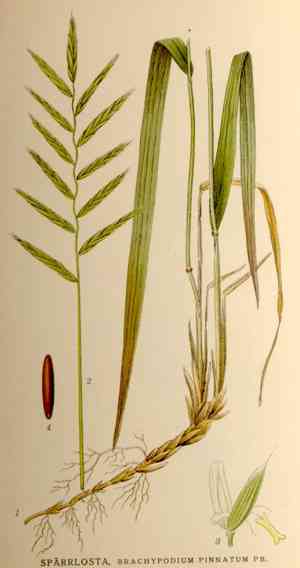
1
Japanese false bromegrass thrives in diverse soil conditions due to its high adaptability.
2
It serves an essential function in preventing soil erosion.
3
Local fauna benefit from this plant as a significant food source.
What Makes False Japanese Bromegrass So Special?
Versatility Across Environments
A key attribute of False Japanese Bromegrass is its robustness and capacity to flourish in diverse soil types, including sandy, loamy, and even clay. This adaptability makes it an excellent choice for revegetation initiatives and habitat restoration efforts. Whether in arid, drought-prone regions or wetter, more fertile grounds, False Japanese Bromegrass establishes itself quickly and effectively.
Effortless Upkeep
Another crucial aspect of False Japanese Bromegrass is its minimal care requirements. Once established, it needs little water, fertilizer, or attention, making it a sustainable option for landscapes. Its deep root systems help it access deep water reserves, ensuring its survival in harsher conditions while also improving soil structure and health.
How Does False Japanese Bromegrass Aid in Soil Erosion Control?
Root System Characteristics
False Japanese Bromegrass boasts an extensive root system that effectively binds the soil, reducing the risk of erosion. These roots form a dense network that holds soil particles in place, even during heavy rainfall or strong winds. This characteristic is particularly beneficial in sloped or hilly terrains where soil erosion is a common issue.
Contribution to Soil Health
Beyond preventing soil erosion, the roots of False Japanese Bromegrass contribute to overall soil health by promoting aeration and facilitating the hydration of deeper soil layers. Over time, the organic matter from decomposing plant parts enriches the soil, enhancing its fertility and promoting the growth of other plant species.
What Wildlife Benefits from False Japanese Bromegrass?
Food Source for Herbivores
Local wildlife, especially herbivores, find False Japanese Bromegrass to be a valuable food source. Its foliage provides essential nutrients and sustenance for grazing animals such as deer and rabbits. This relationship plays a significant role in maintaining the balance of local ecosystems as it ensures the availability of food resources throughout the year.
Habitat and Shelter
False Japanese Bromegrass also serves as a vital habitat component for various insects and small animals. The dense foliage offers protection and nesting materials, ensuring that small creatures have a safe space to thrive. This further increases the biodiversity of the area, which is vital for a healthy and balanced ecosystem.
How Is False Japanese Bromegrass Used in Landscaping and Agriculture?
Erosion Control in Landscaping
Given its strong root systems and low maintenance nature, False Japanese Bromegrass is frequently utilized in landscaping projects to combat soil erosion. It is especially useful in creating stable ground covers in areas prone to landslides or soil displacement. Its aesthetic appeal also adds to the visual value of landscaped areas.
Sustainable Farming Practices
In agriculture, False Japanese Bromegrass is increasingly recognized for its role in sustainable farming practices. Farmers use this plant for cover cropping, which helps in soil conservation, reduces erosion, and improves soil fertility. This practice not only benefits the immediate crop yield but also ensures long-term agricultural productivity and environmental health.



