How to Propagate False japanese bromegrass?
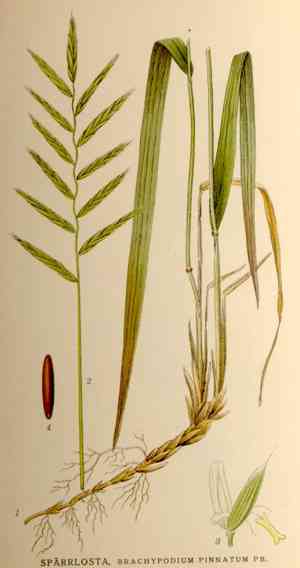
False japanese bromegrass, a perennial grass, flourishes in adequately drained earth and greatly benefits from periodic trimming to sustain its vigor. Reproduction is successfully accomplished via division. Gently divide established clusters in early spring, making sure every segment possesses a sound portion of roots. This technique fosters vigorous development and aids in controlling the plant's dimensions while safeguarding the well-being of the original plant.
Optimal Time for False Japanese Bromegrass Propagation
Propagation Type
Division
Propagation Season
Spring,Autumn
Tools for False Japanese Bromegrass Propagation
Garden Spade or Fork
A robust garden spade or fork is vital for excavating false japanese bromegrass for division, especially given its potentially extensive root structure. The spade should possess a sharp edge to cleanly sever soil and roots, minimizing plant trauma. This instrument is crucial for efficient plant division while reducing stress and injury.
Pruning Shears
Pruning shears are utilized to trim roots and remove any dead or superfluous foliage from false japanese bromegrass before and after division. This aids in managing the size of each division and promotes more vigorous growth. Shears should be kept sharp and clean to ensure precise cuts, which helps prevent disease transmission.
Rooting Hormone
While not a traditional tool, rooting hormone can be applied to the cut root surfaces to stimulate root development and enhance the overall success rate of propagation. This is particularly advantageous for false japanese bromegrass to ensure each division establishes itself rapidly and effectively.
Watering Can with a Fine Rose
Following division, it is essential to water false japanese bromegrass gently and thoroughly. A watering can equipped with a fine rose attachment delivers soft, even water coverage, helping newly transplanted divisions settle without displacing soil or exposing roots.
Gardening Gloves
Wearing gloves when handling and dividing false japanese bromegrass safeguards hands from sharp roots and lessens the chance of pathogen transmission. Durable gardening gloves provide a secure grip and prevent skin irritation from direct contact with plant materials or gardening chemicals.
How to Propagate False Japanese Bromegrass?
Propagation Type
Easy
Caring for Newly Propagated False Japanese Bromegrass
Caring for Newly Propagated False Japanese Bromegrass?
Post-propagation, ensure false japanese bromegrass receives sufficient water, particularly during dry spells, to aid root establishment. Position it in an area that mimics its natural habitat, typically partial shade. Maintain soil fertility with regular organic matter additions and monitor for pests or diseases. Routine trimming can encourage denser growth and enhance the aesthetic appeal of false japanese bromegrass.
Common Mistakes to Avoid When Propagating False Japanese Bromegrass
Overwatering
Excessive moisture can lead to root rot in false japanese bromegrass, especially when the plant's root system is not fully developed. This error hinders healthy growth and can fatally damage young plants.
Planting depth
Burying seeds or root cuttings too deeply can impede false japanese bromegrass from sprouting effectively. Too much soil above the seeds or cuttings restricts necessary air exchange and can delay or inhibit germination.
Ignoring local soil conditions
Using soil that does not replicate false japanese bromegrass's natural growing conditions can result in poor plant development. Unsuitable soil may not provide adequate nutrients or drainage, impacting the plant's overall health.
Tips For Propagating False Japanese Bromegrass
Soil preparation
Prepare a well-draining soil mixture that imitates false japanese bromegrass's natural environment. Ensuring the correct soil composition provides a strong foundation for root growth and nutrient absorption.
Moisture control
Maintain a balanced soil moisture level when propagating false japanese bromegrass. The soil should be damp but not waterlogged to support healthy root development without risking fungal diseases.
Proper seeding technique
Sow the seeds of false japanese bromegrass at a shallow depth, lightly covered with soil. This allows for adequate light and air exposure, facilitating better germination rates and healthier early growth stages.



