How to Transplant Roundleafed brookfoam?
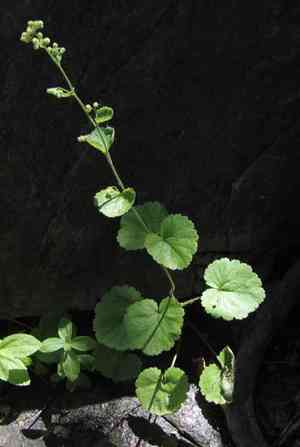
Roundleafed brookfoam ideally benefits from relocation in the latter part of spring or early summer to ensure optimal root development. Select a shaded, damp spot that mimics its native environment. Only move the plant when essential to prevent undue strain.
What Preparations are Needed Before Transplanting Roundleafed Brookfoam?
What is the Ideal Time for Transplanting Roundleafed Brookfoam?
Roundleafed brookfoam, a perennial plant, is best moved in 'mid to late spring' or 'early summer.' During these times, the ground is sufficiently warm for root establishment, and the plant benefits from increasing daylight. This timing minimizes transplant shock and maximizes growth potential, safely preparing roundleafed brookfoam for full blooming in its new spot.
How Much Space Should You Leave Between Roundleafed Brookfoam Plants?
When relocating roundleafed brookfoam, aim for a separation of 12-18 inches (30-45 cm). This provides ample room for growth without resource competition. It also aids air circulation and lowers disease risk.
What is the Best Soil Mix for Roundleafed Brookfoam Transplanting?
Prepare the soil to be rich, well-draining, and slightly acidic to neutral (pH 6.0-7.0). Mix in compost or a balanced base fertilizer to supply essential nutrients. This will help roundleafed brookfoam flourish in its new location.
Where Should You Relocate Your Roundleafed Brookfoam?
Select a partially shaded area for moving roundleafed brookfoam. While it can tolerate some direct sun, especially in the morning, it thrives best with protection from intense afternoon rays. This balance will support its development and flowering.
What Equipments Should You Prepare Before Transplantation Roundleafed Brookfoam?
Gardening Gloves
To shield your hands while handling soil and the plant.
Trowel
For excavating around roots and the new planting site.
Shovel
If extracting the plant from the ground, to dig a wider trench.
Watering Can
To hydrate the plant before and after relocation.
Garden Fork
Useful for loosening soil surrounding the plant in the ground.
Pruners
To trim any damaged roots or stems during the relocation process.
Mulch
To retain soil moisture post-transplant.
Stakes and Ties
Optional support for the plant if it appears top-heavy or unstable after moving.
How Do You Remove Roundleafed Brookfoam from the Soil?
How Do You Remove Roundleafed Brookfoam from the Soil?
From Ground: First, water the roundleafed brookfoam plant to moisten the soil. Then, dig a wide trench around the plant using a shovel, ensuring the plant's root ball remains intact. Carefully work the shovel under the root ball to lift the plant from its original location.From Pot: Water the roundleafed brookfoam plant to moisten the soil. Gently tip the pot on its side and tap the sides to loosen the soil. Hold the base of the plant and carefully slide it out, making sure to keep the root ball intact.From Seedling Tray: Water the seedlings to make the soil easier to work with. Use a small trowel or your fingers to carefully lift each seedling by the root ball, avoiding damage to the roots.
Step-by-Step Guide for Transplanting Roundleafed Brookfoam
Preparation
Prepare the new planting spot by digging a hole twice as wide and the same depth as the plant's root ball.
Root Inspection
Examine the roots for any damage. Trim any broken or injured roots with pruners to encourage healthy growth.
Plant Placement
Position the roundleafed brookfoam plant in the hole, ensuring the top of the root ball is level with the surrounding soil.
Refilling
Backfill the hole with soil, gently firming it around the root ball to eliminate air pockets.
Watering
Water the plant thoroughly after transplanting to help settle the soil and roots.
Mulching
Apply a layer of mulch around the base of the plant to help retain moisture and regulate soil temperature.
Support
If necessary, use stakes and ties to provide support for the plant.
How Do You Care For Roundleafed Brookfoam After Transplanting?
Watering
Keep the soil around the roundleafed brookfoam consistently moist, but not waterlogged, for the initial weeks post-transplant to aid in root establishment.
Monitoring
Regularly check the plant for any signs of transplant shock, such as wilting or yellowing leaves. Adjust care as needed.
Mulching
Replenish mulch as needed to maintain consistent moisture and protect the plant's roots.
Pruning
Remove any dead or damaged leaves to encourage new growth and maintain plant vitality.
Troubleshooting Common Issues with Roundleafed Brookfoam Transplantation.
When is the best time to transplant roundleafed brookfoam?
Mid-spring, late spring, early summer, late fall, and early winter are ideal seasons.
How much spacing is required between roundleafed brookfoam plants?
Space each roundleafed brookfoam plant 12-18 inches (30-45 cm) apart for optimal growth.
What soil type is best for transplanting roundleafed brookfoam?
Well-draining, rich, loamy soil is ideal for transplanting roundleafed brookfoam.
How do I prepare the soil for transplanting roundleafed brookfoam?
Loosen the soil and mix in compost or organic matter for better nutrient availability.
How deep should I plant roundleafed brookfoam when transplanting?
Plant roundleafed brookfoam at the same depth it was growing in its previous location.
What can I do if roundleafed brookfoam shows transplant shock?
Water frequently, provide partial shade, and ensure well-drained soil to help recovery.
How often should I water roundleafed brookfoam after transplanting?
Water thoroughly after transplanting and keep soil moist but not waterlogged.
Should I fertilize roundleafed brookfoam after transplanting?
Avoid fertilizing immediately; wait until new growth appears, then use a balanced fertilizer.
How can I protect roundleafed brookfoam from pests after transplanting?
Inspect regularly, use organic insecticides if needed, and practice good garden hygiene.
What temperature is best for transplanting roundleafed brookfoam?
55-70°F (13-21°C) is optimal for transplanting roundleafed brookfoam. Avoid extreme heat or frost.



