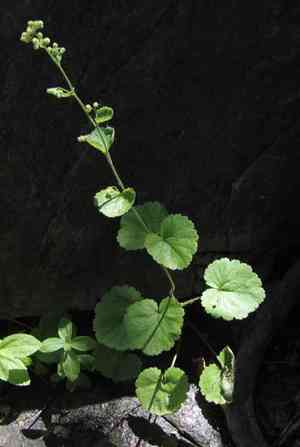
Roundleafed brookfoam (Boykinia rotundifolia)
Also known as: Roundleaf Boykinia
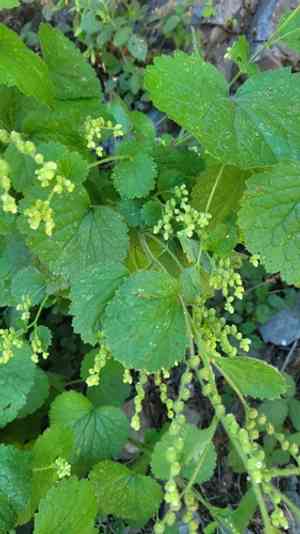
Boykinia rotundifolia is a perennial herb that grows from rhizomes. Its leaf blades can grow as long as 30 centimeters, supported by petioles that may extend up to 18 centimeters. The leaves feature multiple rounded lobes with dull, toothed edges. The plant's inflorescence can rise to about a meter high on a slender stem.
In This Article
Attributes of Roundleafed brookfoam
Lifespan
Perennial
Plant Type
Herb
Plant Height
30 cm to 1.8 m
Spread
12 inches
Leaf Color
Green
Flower Size
0.5 inches
Flower Color
White
Images of Roundleafed brookfoam
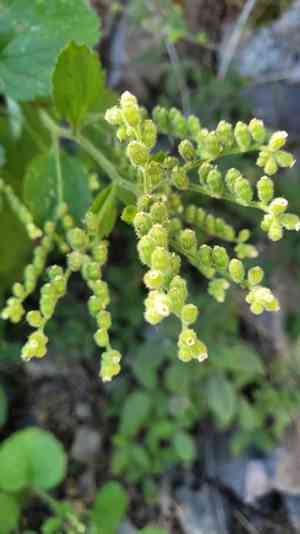
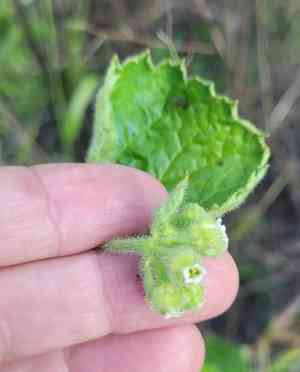
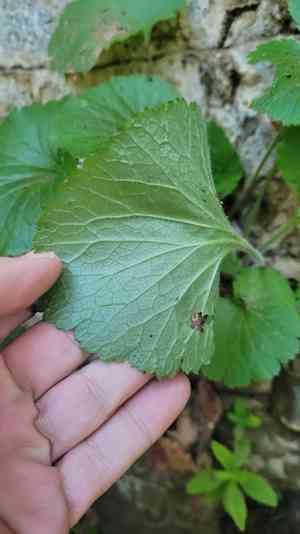
Quickly Identify Roundleafed brookfoam
1
To identify Boykinia rotundifolia, look for its distinctive round leaves that are lobed and toothed along the edges. The plant also features small white flowers arranged in clusters.
Scientific Classification of Roundleafed brookfoam
Phylum
Vascular plants
Class
Dicotyledons
Order
Saxifragales
Family
Saxifrage
Genus
Boykinia
Species
Roundleafed brookfoam
Planting and Growing of Roundleafed brookfoam
Care Difficulty
Easy
Watering Schedule
Every 4 days
Sunlight Requirements
Partial sun
Sunshine Duration
6-10 hours
Ideal Temperature
55-70℉
Soil Type
Potting Mix, Peat Mix
Soil pH
6-7
Fertilizer Type
Balanced
Pruning Season
Spring, Summer
Pruning Area
Branches, Leaves
Pruning Frequency
2 times a year
Repotting Season
Spring
Pot Type
Plastic, Ceramic
 How to Water Roundleafed brookfoam?
Boykinia rotundifolia thrives in evenly moist conditions. Each watering session should provide around 250 ml of water. It's crucial to ensure that the water penetrates through the soil to allow full hydration without flooding the plant, maintaining a balance that keeps the roots healthily moist.
What are the symptoms of an underwatered Roundleafed brookfoam?
›
What should I do if my Roundleafed brookfoam is not getting enough water?
›
What are the symptoms of an overwatered Roundleafed brookfoam?
›
How to save an overwatered Roundleafed brookfoam?
›
 What Are the Sunlight Requirements for Roundleafed brookfoam?
Partial sun or light shade suits Boykinia rotundifolia best, fostering lush growth and full leaf development. Ideal light conditions regulate its metabolic functions, enhancing photosynthesis and overall stress resistance.
Ideal Sun Exposure
›
Protection from Direct Sun
›
Rotation for Even Growth
›
 What Is the Ideal Temperature Range for Roundleafed brookfoam?
Boykinia rotundifolia thrives best within the temperature range of 55°F to 70°F. This range provides an optimal balance for photosynthesis and other metabolic processes, ensuring healthy growth and development.
 What Soil is Best for Roundleafed brookfoam?
Boykinia rotundifolia thrives in well-drained soil where excess water can easily escape. This prevents root rot and ensures the roots have access to necessary oxygen, promoting healthy growth and vibrant foliage. While this plant doesn't require overly rich soil, moderate fertility is important to supply nutrients. A loamy soil composition usually offers enough natural fertility to keep Boykinia rotundifolia robust without the need for excessive fertilization. Though well-drained, the soil should maintain consistent moisture. Boykinia rotundifolia does well in environments where the soil doesn't dry out completely, supporting its lush leaves and delicate flowers.
 How to Fertilize Roundleafed brookfoam?
Boykinia rotundifolia benefits from moderate amounts of fertilizer. During the growing season, apply a quarter-strength balanced liquid fertilizer. Over-fertilization should be avoided as it can lead to leaf burn.
 How to Prune Roundleafed brookfoam?
Begin by closely inspecting the plant, Boykinia rotundifolia, for any leaves that appear brown, dead, or heavily damaged. Carefully snip these leaves off at the base using clean and sharp pruning shears to prevent disease and encourage new growth. After removing the dead or damaged foliage, step back and assess the overall shape of the plant. Trim any overgrown or wayward branches to create a balanced, natural-looking form. Aim to maintain the plant's unique rounded foliage by cutting branches back slightly above a node.
More About Pruning Techniques→
 How to Propagate Roundleafed brookfoam plant?
1
Begin by selecting the appropriate soil mix and containers for seeds. Fill seed trays with a well-draining, sterilized potting mix to prevent diseases. Level the soil surface and water it thoroughly to ensure adequate moisture before sowing the seeds.
2
Seed propagation involves spreading seeds evenly across the prepared seedbeds. Lightly press the seeds into the soil or cover them with a thin layer of soil. Ensure they are not buried too deeply, as this can hinder germination. Mist the surface with water to maintain consistent moisture.
3
For division propagation, carefully dig out the plant during spring or early summer, gently shaking off excess soil. Use a sharp knife or spade to divide the root clump into smaller, healthier sections. Replant the divisions at the same depth they were growing and water thoroughly.
 How to Repot Roundleafed brookfoam plant?
1
Boykinia rotundifolia should be repotted when you notice that its roots are bound or emerging from the drainage holes. This typically happens every 1-2 years or when the plant outgrows its current container. It's also a good idea to repot if the soil quality has degraded.
2
Select a pot that's slightly larger than the current one, ensuring that it has proper drainage holes. This helps prevent root rot and gives the roots space to expand. The pot should be proportionate to the plant size, maintaining stability and aesthetics.
3
Choose a well-draining, nutrient-rich soil. Boykinia rotundifolia thrives in soil that retains some moisture but doesn't stay waterlogged. Incorporating organic matter can improve soil fertility and support healthy growth.
Learn More About Roundleafed brookfoam Diseases
Anthracnose
Bacterial Leaf Spot
Bacterial Soft Rot
Bacterial Wilt
Chemical Injury
Crown Gall
Cyst Nematode
Damping-off
Downy Mildew
Drought Stress
Fusarium Wilt
Gray Mold
Leaf Spot
Mosaic
Nutrient Deficiency
Nutrient Toxicity
Powdery Mildew
Root Rot
Root-knot Nematode
Rusts
Sooty Mold
Spider Mites
Temperature Stress
Thrips Damage
White Mold



