How to Prune Roundleafed brookfoam?
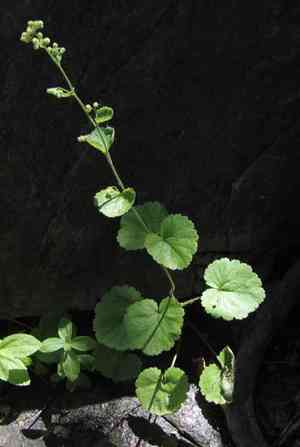
Roundleafed brookfoam is distinguished by its circular foliage and proximity to aquatic environments. Trim roundleafed brookfoam during spring or summer to foster robust development and enhance air movement. Concentrate on eliminating deceased or compromised stems and leaves. Cut back sprawling sections to preserve its form and stimulate fresh growth. Timely pruning also deters problems with pests and diseases. Employ sharp, sanitized implements for accurate incisions, thereby boosting the plant's general well-being and strength.
What Are the Benefits of Pruning Roundleafed Brookfoam?
What Are the Benefits of Pruning Roundleafed Brookfoam?
Trimming roundleafed brookfoam promotes robust development and helps maintain its form. Regular cutting eliminates dead or damaged leaves, fostering a healthier specimen. It also improves visual appeal and can deter the spread of specific pests and illnesses affecting roundleafed brookfoam.
What Is the Best Time for Pruning Roundleafed Brookfoam?
What Is the Best Time for Pruning Roundleafed Brookfoam?
Pruning roundleafed brookfoam during spring and summer aligns with its active growth period. In these seasons, roundleafed brookfoam experiences vigorous new development, allowing it to recover quickly from trimming. Spring pruning lets gardeners remove winter-accumulated dead or damaged material, while summer light trimming helps maintain shape and health. These timings also avoid disrupting roundleafed brookfoam's blooming cycle, ensuring efficient flower production.
What Tools Do I Need to Prune Roundleafed Brookfoam?
Hand pruners
Perfect for precise cuts on small stems and leaves. These are crucial for detailed pruning and ensure clean cuts that encourage healthy development.
Bypass pruners
These offer a cleaner cut than anvil pruners and are less likely to crush stems. Ideal for maintaining shape and preventing damage to roundleafed brookfoamâs delicate foliage.
Small shears
Useful for trimming and shaping the plant without causing excessive disturbance. These are suitable for delicate pruning tasks.
Gloves
Essential for hand protection during work. While roundleafed brookfoam is generally harmless, good protection ensures safety from accidental cuts.
Disinfectant
Important for sterilizing tools before and after pruning to prevent disease transmission. This is a standard best practice for maintaining plant health.
How to Prune Roundleafed Brookfoam
Inspect
Carefully examine roundleafed brookfoam for any disease indicators, focusing on discolored, wilted, or damaged leaves and stems.
Sanitize
Disinfect your pruning tools with rubbing alcohol or a bleach solution to prevent the spread of any pathogens.
Remove diseased leaves
Trim off any diseased leaves by cutting them close to the base, ensuring all affected areas are removed to prevent disease spread.
Remove withered leaves
Cut off any withered or dead leaves at their base, which helps the plant conserve energy and promotes new growth.
Cut diseased stems
Remove diseased stems by cutting them back to healthy tissue. Ensure the cut is clean and angled to allow water to drain off.
Common Pruning Mistakes with Roundleafed Brookfoam
Over-pruning
Removing too much foliage at once can stress roundleafed brookfoam, hindering its growth and reducing its flowering capacity.
Improper cuts
Using dull or unsuitable tools can result in jagged cuts, making roundleafed brookfoam vulnerable to diseases and pests.
Pruning at the wrong nodes
Cutting in incorrect locations, such as too close to the main stem or too far from a node, can impact roundleafed brookfoam's overall growth and structure.
Ignoring dead or diseased parts
Failing to remove dead or diseased stems and leaves can lead to disease propagation and negatively affect roundleafed brookfoam's overall health.
Timing errors
Pruning at inappropriate times can adversely affect roundleafed brookfoamâs flowering cycle and overall development, leading to reduced vigor and fewer blooms.
Common Pruning Tips for Roundleafed Brookfoam
Use sharp, clean tools
Always use sharp and sterilized pruning shears or scissors to make clean cuts, minimizing infection risk and promoting faster healing.
Prune sparingly
Remove no more than a third of the plant's foliage at any given time to prevent undue stress and allow for optimal growth.
Cut at a 45-degree angle
Make cuts at a 45-degree angle just above a node or a bud to encourage healthy growth and prevent water accumulation on the cut surface.
Remove dead and diseased parts
Prioritize removing any dead, damaged, or diseased stems and leaves to keep roundleafed brookfoam healthy and prevent the spread of potential issues.
Monitor and adjust
Observe the plant regularly and make minor adjustments as needed, rather than performing a single extensive pruning session, to better manage roundleafed brookfoamâs shape and health.



