How to Propagate Roundleafed brookfoam?
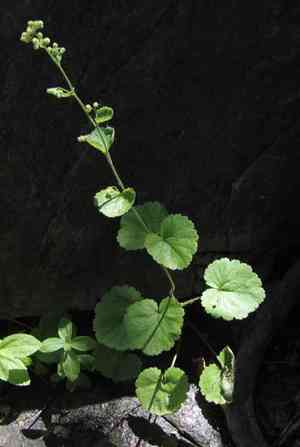
Roundleafed brookfoam, a perennial species, is recognized for its appealing leaves and flourishes in damp, shaded environments. For multiplying this plant, employing cuttings is the most efficient method. Choose robust, non-blooming stems, making sure they are harvested from the plant's lower section. Insert them into moist substrate and uphold elevated humidity levels. The application of a rooting stimulant can improve the outcome. These measures facilitate superior integration of roundleafed brookfoam into appropriate settings.
Optimal Time for Roundleafed Brookfoam Propagation
Propagation Method
Cutting
Propagation Period
Spring,Summer
Tools for Roundleafed Brookfoam Propagation
Pruning Shears
Essential for obtaining clean, precise cuttings from roundleafed brookfoam. Quality, sharp shears minimize plant stress and prevent disease spread.
Rooting Hormone
Stimulates root formation from cuttings, vital for roundleafed brookfoam which may have moderate rooting tendencies.
Propagation Trays
Hold and arrange cuttings in a controlled setting to encourage rooting. Excellent for maintaining moisture and preventing cross-contamination.
Humidity Dome
Maintains elevated humidity levels around cuttings, crucial for preventing dehydration and ensuring successful rooting of roundleafed brookfoam.
Sterile Potting Mix
Offers a pathogen-free medium for root development. Guarantees that roundleafed brookfoam cuttings are not competing with diseases during the critical rooting phase.
Heat Mat
Ensures consistent soil temperatures, promoting faster root development for roundleafed brookfoam. This tool is especially important in cooler environments.
Misting Bottle
Delivers gentle moisture to cuttings to mimic their natural humid habitat, vital for preventing leaf dehydration during sensitive periods.
Labeling Tags
Aids in tracking and identifying cuttings throughout the propagation process to ensure proper care and monitoring of roundleafed brookfoam.
Disposable Gloves
Ensures cleanliness during the propagation process, safeguarding roundleafed brookfoam cuttings from potential contaminants.
Propagating Roundleafed Brookfoam Guide
Propagation Type
Easy
Post-Propagation Care for Roundleafed Brookfoam
How to Care for Your Newly Propagated Roundleafed Brookfoam?
Once the cutting has rooted and been transplanted, ensure it receives moderate, indirect sunlight. Water the plant regularly to keep the soil consistently moist but not waterlogged. Fertilize sparingly with a balanced, water-soluble fertilizer approximately once a month during the growing season. Monitor for signs of pests or disease and take appropriate action as needed. Mulching around the base of roundleafed brookfoam can help retain soil moisture. Regularly prune any dead or damaged foliage to maintain plant health and aesthetics.
Common Errors to Avoid When Propagating Roundleafed Brookfoam
Overwatering
Leads to root rot due to roundleafed brookfoam's preference for well-drained soil.
Incorrect soil type
Using rich, heavy soils can result in poor root development as roundleafed brookfoam prefers light, well-aerated soil.
Ignoring humidity needs
Failing to provide adequate humidity can impede growth because roundleafed brookfoam thrives in moist environments.
Improper light conditions
Placing roundleafed brookfoam in direct sunlight can cause leaf burn since it prefers partial shade.
Neglecting pests and diseases
Not monitoring for common pests like aphids and diseases such as powdery mildew can weaken roundleafed brookfoam and reduce propagation success.
Tips For Propagating Roundleafed Brookfoam
Use well-drained soil
Ensure soil mix is light and well-aerated to promote healthy root growth for roundleafed brookfoam.
Maintain humidity
Keep humidity levels high around roundleafed brookfoam by misting regularly or using a humidity tray.
Provide partial shade
Place roundleafed brookfoam in an area with filtered light to avoid leaf scorch and promote healthy foliage.
Monitor and control pests
Regularly inspect roundleafed brookfoam for pests and diseases, and take prompt action to mitigate any infestations or infections.
Moderate watering
Water roundleafed brookfoam consistently but avoid waterlogging; allow the soil to dry slightly between watering sessions.



