How to Transplant African palmyra palm?
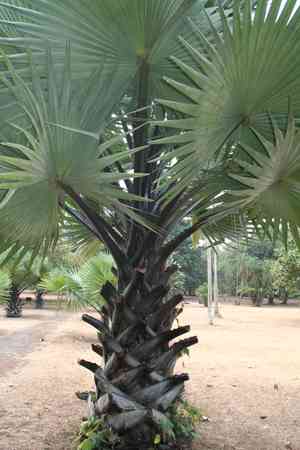
For an optimal beginning for your African palmyra palm, relocate it during the peak warmth of early to late summer, guaranteeing abundant sunlight and soil that drains effectively. Handle the roots with care; a smooth transition fosters vigorous development.
Essential Preparations Before Relocating African Palmyra Palm?
When is the Best Time to Move African Palmyra Palm?
The ideal period to relocate african palmyra palm is from late spring onwards, as the warm ground facilitates root development. Moving african palmyra palm at this time maximizes the benefits of the growing season, promoting robust growth before winter dormancy.
What Spacing is Recommended Between African Palmyra Palm Plants?
When planning to relocate african palmyra palm, it's crucial to provide ample room for growth. Aim for a spacing of approximately 20-26 feet (6-8 meters) between them, allowing roots and canopy to fully expand without crowding.
What is the Optimal Soil Mixture for African Palmyra Palm Relocation?
For african palmyra palm, choose a site with well-draining sandy or loamy soil. Prior to transplanting, incorporate a foundational fertilizer rich in organic matter to nourish the young plants. A gentle starter feed specifically formulated for palm trees is advisable.
Where Should You Replant Your African Palmyra Palm?
African palmyra palm flourishes in a location that receives abundant sunlight. Select a sunny spot where the plant will get direct sun exposure for most of the day. This ensures your african palmyra palm has the energy needed for healthy and vigorous growth.
What Tools Should You Gather Before Relocating African Palmyra Palm?
Gardening Gloves
To safeguard your hands while handling soil and the plant.
Shovel or Spade
For excavating around and beneath the root ball.
Wheelbarrow
To transport the plant and soil.
Watering Can or Hose
For hydrating the plant during and after its relocation.
Pruning Shears
For trimming any impaired roots or foliage.
Measuring Tape
To verify the new hole's appropriate dimensions.
Tarp or Burlap
To safeguard and move the root ball.
Stakes and Tie Material
For supporting the african palmyra palm post-transplant if required.
How Do You Extract African Palmyra Palm from Its Current Location?
How Do You Extract African Palmyra Palm from Its Current Location?
From Ground: Hydrate the african palmyra palm to moisten the soil, simplifying root ball removal. Dig a wide trench around the plant with a shovel, preserving as much of the root ball as possible. Gently pry the spade under the root ball to lift the plant out.From Pot: Carefully lay the pot on its side and tap the edges to loosen the soil. Slowly slide the african palmyra palm from the pot, supporting the root ball to prevent root damage.From Seedling Tray: Water the seedlings first to make the soil pliable. Use a spoon or a small gardening tool to carefully lift each seedling from its compartment, taking care not to excessively disturb the roots.
Step-by-Step Guide for Relocating African Palmyra Palm
Preparation
Thoroughly water the african palmyra palm before beginning the transplant to minimize shock.
Excavating the New Hole
Dig a hole that is twice as wide and equally deep as the african palmyra palm's root ball.
Root Ball Care
Examine the root ball for any damaged roots and trim them with pruning shears.
Positioning the Plant
Carefully place the african palmyra palm in the center of the new hole and spread out its roots.
Backfilling
Refill the hole with soil, gently tamping down around the base to eliminate air pockets.
Initial Watering
Generously water the african palmyra palm to settle the soil and hydrate the roots.
Staking
If the african palmyra palm is tall or unstable, insert stakes around the plant's perimeter and loosely tie the plant for support.
How Do You Care For African Palmyra Palm After Relocation?
Stabilizing
Periodically check the staking to ensure it provides support without being too tight.
Initial Water Frequency
Water the african palmyra palm every few days to maintain consistently moist soil during the first month.
Monitoring
Observe the african palmyra palm for indications of stress or growth, adjusting care as necessary.
Mulching
Apply mulch around the base to help retain moisture and regulate soil temperature.
Maintenance Pruning
Remove dead or yellowing leaves to encourage new growth.
Addressing Common Issues with African Palmyra Palm Relocation.
What's the optimal time to move african palmyra palm?
Relocate african palmyra palm during the warm growing season, from early to late summer, for best establishment.
How much space should I allow between african palmyra palm when moving them?
Provide a generous spacing of 20-26 feet (6-8 meters) between each african palmyra palm to ensure ample growth room.
Why is my african palmyra palm showing signs of wilting after being moved?
Wilting can occur if the root system was excessively disturbed. Ensure careful handling and sufficient water after relocation.
How deep should the planting hole be for african palmyra palm?
Dig a hole that is twice the width and the same depth as the root ball to avoid burying the trunk too deeply.
How much water does african palmyra palm require after being moved?
Water generously immediately after relocation, then weekly, allowing the soil to dry slightly between waterings.
Should I fertilize african palmyra palm right after moving it?
Wait several weeks before fertilizing to prevent burning and allow african palmyra palm's roots to recover from transplant shock.
My relocated african palmyra palm isn't growing, what could be the problem?
Delayed growth post-relocation is common. Ensure proper care and patience. If conditions are ideal, growth should resume.
How do I prepare the soil for moving african palmyra palm?
Enrich the soil with compost for nutrients and ensure it's well-drained to prevent root rot.
Can I prune african palmyra palm during relocation?
Minimal pruning is recommended. Remove only damaged fronds to reduce stress and redirect energy to root development.
Is staking necessary for african palmyra palm after relocation?
If your african palmyra palm is tall or in a windy area, staking can provide stability as roots strengthen.



