The African palmyra palm Plant Advantage: Maximizing Home and Office Appeal and Wellness
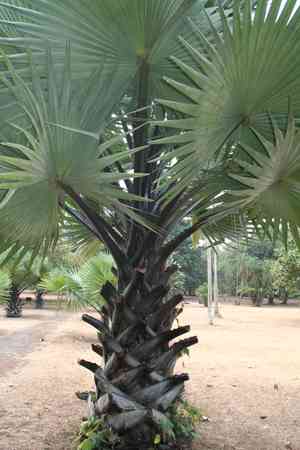
1
Prized for its rich nutritional profile, offering a wholesome component to various eating plans.
2
Its foliage and fibers find widespread application in indigenous crafts and building.
3
Generates revenue for numerous communities through its diverse applications.
What Are the Nutritional Benefits of African palmyra palm?
Rich Source of Vitamins and Minerals
African palmyra palm is abundant in vital vitamins and minerals that support overall health and well-being. Its fruit pulp, frequently consumed fresh or dried, is high in Vitamin C, known for boosting the immune system. Additionally, it contains essential minerals like potassium, calcium, and magnesium, crucial for maintaining healthy bodily functions.
High in Dietary Fiber
A key nutritional advantage of African palmyra palm is its significant dietary fiber content. Fiber is essential for maintaining digestive health, preventing constipation, and promoting regular bowel movements. Consuming fiber-rich foods like African palmyra palm can aid in weight management by fostering a sense of fullness.
How Is African palmyra palm Used in Local Crafts and Construction?
Leaves and Fibers in Handicrafts
The leaves of African palmyra palm are renowned for their durability and flexibility, making them an excellent material for crafting various items such as baskets, mats, and roofs. Local artisans skillfully weave these leaves into intricate designs, preserving traditional craftsmanship while supporting sustainable practices.
Versatile Construction Material
In many communities, the robust fibers and trunks of African palmyra palm are utilized in construction. The wood from this plant is resilient and pest-resistant, making it a preferred choice for building homes and other structures. This sustainable use of natural resources helps reduce reliance on non-renewable materials.
How Does African palmyra palm Contribute to Community Livelihoods?
Source of Income
African palmyra palm plays a vital role in supporting the livelihoods of many communities. The sale of its fruits, leaves, and other by-products provides a reliable source of income. Markets and small-scale industries centered around African palmyra palm help boost local economies and provide job opportunities.
Promotion of Sustainable Practices
By harnessing the various uses of African palmyra palm, communities promote sustainable practices and reduce environmental footprints. The ability to utilize every part of this plant ensures minimal waste and fosters a sense of environmental stewardship, paving the way for a greener future.
What Makes African palmyra palm Environmentally Beneficial?
Natural Erosion Control
The extensive root system of African palmyra palm helps prevent soil erosion by stabilizing the soil. This natural phenomenon is particularly beneficial in regions prone to erosion, as it aids in maintaining soil health and fertility.
Carbon Sequestration
African palmyra palm contributes to carbon sequestration, a crucial process in mitigating climate change. By absorbing carbon dioxide from the atmosphere and storing it in its biomass, African palmyra palm helps reduce the overall carbon footprint and promotes a healthier environment.
Are There Any Culinary Uses for African palmyra palm?
Delicious and Nutritious Fruits
The fruits of African palmyra palm are not only nutritious but also delicious. They can be enjoyed fresh, dried, or processed into various products like jams and juices. The unique flavor of these fruits makes them a popular choice in many culinary traditions.
Cooking with African palmyra palm Components
Various parts of African palmyra palm, such as its sap and seeds, are used in cooking. The sap is often fermented to create beverages, while the seeds can be ground into flour or roasted for consumption. These culinary uses highlight the versatility and importance of African palmyra palm in different cuisines.



