How to Overwinter African palmyra palm
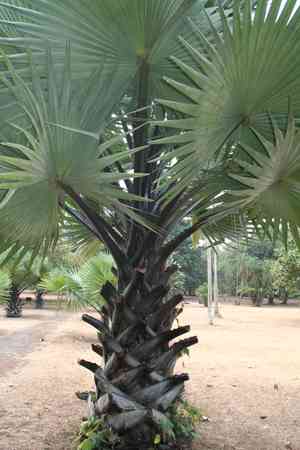
1
African palmyra palm flourishes in temperatures ranging from 20-25°C (68-77°F) during its active growth periods.
2
Make sure your African palmyra palm gets approximately 4-6 hours of sun exposure each day.
3
Excessive watering in colder months may result in root decay.
The Importance of Winter Care for African palmyra palm
The Importance of Winter Care for African palmyra palm
African palmyra palm is a stunning plant frequently cultivated in tropical and subtropical environments. Despite its beauty, it is delicate and cannot withstand frost. Winter protection is vital for this palm as it guards against cold damage, which can be fatal. Ensuring your African palmyra palm survives winter in good condition enhances its vigor and appearance for the upcoming growth period.
Preparing Your African palmyra palm for the Cold Season
Checking for Pests and Diseases
Before winter arrives, thoroughly examine your African palmyra palm for any indications of pests or illnesses. Look for common problems such as spider mites, scale insects, or fungal infections. Address any issues immediately to prevent them from worsening during the overwintering phase.
Trimming and Cleaning the Palm
Remove any dead or damaged fronds from your African palmyra palm. Clearing away fallen debris and old leaves helps decrease the likelihood of pest infestations and allows the plant to focus its energy on healthy development. Use sanitized pruning shears to make clean cuts and avoid spreading any potential pathogens.
Modifying Watering Habits
As temperatures decrease, your African palmyra palm will require less water. Reduce the frequency of watering but ensure the soil remains slightly damp. Excessive watering can lead to root rot, especially when the palm is indoors and receiving less light.
Indoor Wintering Options for African palmyra palm
Selecting the Appropriate Indoor Spot
Choose an indoor location where your African palmyra palm can remain safe from harsh winter conditions. A sunroom, greenhouse, or a bright window are ideal choices. Ensure the area stays above 15°C (59°F) to keep your palm comfortable.
Providing Sufficient Light and Humidity
Even indoors, African palmyra palm needs approximately 4-6 hours of sunlight daily. Supplement natural light with grow lights if necessary. Maintain a humidity level of 40-60% using a humidifier, or place a tray filled with water and pebbles near the plant to increase humidity.
Maintaining Temperature and Air Circulation
African palmyra palm prefers consistent temperatures and good air movement. Operate a fan on a low setting in the room if possible to prevent air stagnation, which can cause mildew and other moisture-related issues. Aim to keep the temperature between 20-25°C (68-77°F) during the growing season and no lower than 15°C (59°F) in winter.
Common Wintering Challenges and Solutions
Addressing Yellowing Foliage
Yellowing leaves can indicate various issues such as overwatering, nutrient deficiencies, or insufficient light. First, check the soil's moisture levels, adjusting watering as needed. Ensure your plant receives adequate light and consider a nutrient supplement to correct any deficiencies.
Preventing Root Decay
Root rot is a serious problem caused by excessive watering or poor drainage. Ensure the potting mix drains well and reduce watering frequency. If you suspect root rot, remove the affected roots and repot the palm in fresh, dry soil.
Managing Indoor Pests
Indoor environments can attract pests like spider mites or scale. Regularly inspect your African palmyra palm and treat infestations promptly with suitable insecticides or natural remedies such as neem oil. Maintaining cleanliness around the plant helps deter pests.
When and How to Move Your African palmyra palm Outdoors
Timing the Outdoor Transition
Move your African palmyra palm back outdoors once the danger of frost has passed and temperatures consistently remain above 15°C (59°F). Typically, late spring is the optimal time for this relocation.
Gradually Adapting to Outdoor Conditions
To avoid shock, gradually accustom your palm to outdoor conditions. Begin by placing it in a shaded area for a few hours each day, then slowly increase its exposure to direct sunlight over 1-2 weeks.
Monitoring for Late Frosts
Even after moving outdoors, keep an eye on weather forecasts for unexpected late frosts. Have a frost cloth or protective covering ready to shield your palm during cold snaps.



