How to Transplant Claspingleaf doll's daisy?
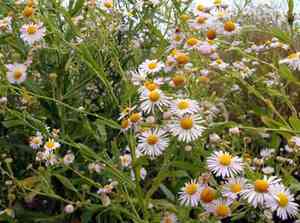
Claspingleaf doll's daisy flourishes when relocated during the transition from early to late spring. This period provides ideal soil temperature and hydration. Select a site receiving full sun to partial shade with soil that drains effectively for superior outcomes.
What Preparations are Needed Before Transplanting Claspingleaf Doll's Daisy?
What is the Ideal Time for Transplanting Claspingleaf Doll's Daisy?
Moving claspingleaf doll's daisy, a perennial, is best done from early to late spring. This timeframe offers prime growing conditions, allowing the plant to develop strong roots before summer's heat. Transplanting at this time ensures vigorous growth and improved survival rates, helping claspingleaf doll's daisy flourish in its new spot.
How Much Space Should You Leave Between Claspingleaf Doll's Daisy Plants?
When relocating claspingleaf doll's daisy, ensure plants are spaced 24-36 inches (60-90 cm) apart. This provides ample room for growth and promotes good air circulation for their health.
What is the Best Soil Mix for Claspingleaf Doll's Daisy Transplanting?
Prepare well-draining soil enriched with compost or aged manure for claspingleaf doll's daisy. Sandy or loamy soil types are perfect. Apply a balanced base fertilizer to boost soil fertility and encourage strong development.
Where Should You Relocate Your Claspingleaf Doll's Daisy?
Place claspingleaf doll's daisy in a spot that gets full sun, meaning at least 6 hours of direct sunlight daily. A sunny location will help your plants thrive and produce beautiful flowers.
What Equipments Should You Prepare Before Transplantation Claspingleaf Doll's Daisy?
Gardening Gloves
To safeguard your hands while handling soil and the plant.
Shovel or Spade
For digging and lifting the plant with its root ball intact.
Watering Can or Hose
To hydrate the plant before and after its relocation.
Pruning Shears
To trim any damaged roots or foliage.
Compost or Organic Matter
To enrich the soil in the new planting site.
Mulch
To help retain soil moisture and prevent weed growth.
How Do You Remove Claspingleaf Doll's Daisy from the Soil?
How Do You Remove Claspingleaf Doll's Daisy from the Soil?
From Ground: First, water the claspingleaf doll's daisy plant to moisten the soil. Next, dig a wide trench around the plant using a shovel or spade, ensuring the plant's root ball remains undisturbed. Carefully work the spade beneath the root ball to lift the plant from its original spot.From Pot: Water the claspingleaf doll's daisy plant thoroughly to make the soil easier to manage. Gently tap the pot's sides to loosen the soil, then carefully invert the pot while supporting the plant with your other hand. If the plant doesn't slide out easily, use a knife to run around the root ball's edge to free it from the pot.From Seedling Tray: Lightly water the seedlings to prevent shock. Use a small tool like a spoon or a dibbler to gently lift the seedlings out, ensuring you extract as much of the root as possible. Handle the seedlings by their leaves to avoid harming the delicate stems.
Step-by-Step Guide for Transplanting Claspingleaf Doll's Daisy
Site Preparation
Prepare the new planting location by digging a hole twice as wide and slightly deeper than the claspingleaf doll's daisy's root ball. Mix compost or organic matter into the excavated soil to enhance fertility.
Root Pruning
If roots are densely packed or circling, gently separate them or make a few vertical cuts to encourage outward growth after planting.
Placing the Plant
Position the claspingleaf doll's daisy in the center of the hole, ensuring the top of the root ball is level with or slightly above the surrounding soil. Backfill the hole with the enriched soil, gently firming it to remove air pockets.
Watering
Thoroughly water the newly transplanted claspingleaf doll's daisy to help settle the soil and establish contact between the roots and the soil.
Mulching
Apply a layer of mulch around the plant's base, leaving some space around the stem to prevent rot. This helps retain moisture and suppresses weeds.
How Do You Care For Claspingleaf Doll's Daisy After Transplanting?
Watering
Keep the soil around the claspingleaf doll's daisy consistently moist, but not waterlogged, for the initial weeks after transplanting to help establish strong roots.
Mulching
Maintain the mulch layer and replenish as needed to conserve moisture and control weeds.
Monitoring
Regularly inspect the plant for signs of distress, such as wilting or yellowing leaves, and adjust care accordingly.
Pruning
Remove any damaged or dead foliage to encourage healthy growth and reduce stress on the plant.
Protection
If transplanting in late summer or early fall, consider providing temporary shade or wind protection to help the plant acclimate to its new location.
Troubleshooting Common Issues with Claspingleaf Doll's Daisy Transplantation.
When is the best time to transplant claspingleaf doll's daisy?
The optimal period for relocating claspingleaf doll's daisy is from early spring to late spring.
How should I prepare the soil for transplanting claspingleaf doll's daisy?
Ensure well-draining soil, enriched with compost. Loosen soil to a depth of 12 inches (30 cm).
What is the recommended spacing for claspingleaf doll's daisy?
Space each plant 24-36 inches (60-90 cm) apart for healthy growth.
How deep should the hole be for transplanting claspingleaf doll's daisy?
Dig a hole twice the size of the root ball and 12 inches (30 cm) deep.
How do I minimize transplant shock for claspingleaf doll's daisy?
Water thoroughly before and after transplanting, and keep the soil consistently moist.
What is the ideal location for transplanting claspingleaf doll's daisy?
Claspingleaf doll's daisy thrives in full sun to partial shade, with access to at least 6 hours of sunlight daily.
Can claspingleaf doll's daisy be transplanted in the fall?
Transplanting in fall is not recommended; early to late spring is ideal for claspingleaf doll's daisy.
How often should I water claspingleaf doll's daisy after transplanting?
Water daily for the first week, then reduce to every few days as the plant establishes.
What type of mulch is best for claspingleaf doll's daisy?
Use organic mulch, such as straw or wood chips, to maintain soil moisture and temperature.
How can I support claspingleaf doll's daisy after transplanting?
Stake taller plants if needed and apply a balanced fertilizer once new growth starts.



