How to Prune Claspingleaf doll's daisy?
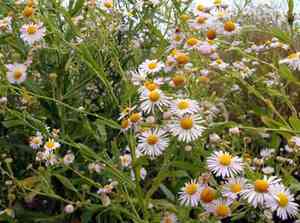
Claspingleaf doll's daisy is recognized by its unique embracing foliage and daisy-like blossoms. To achieve peak development, trim claspingleaf doll's daisy in late winter or early spring prior to the emergence of new shoots. Eliminate any deceased or compromised stalks to improve air movement and sculpt the plant. Consistent trimming deters excessive density and encourages abundant blooming. Verify that instruments are disinfected to avert illness. Adhering to these guidelines enables gardeners to preserve claspingleaf doll's daisy's vitality and visual charm.
What Are the Benefits of Pruning Claspingleaf Doll's Daisy?
What Are the Benefits of Pruning Claspingleaf Doll's Daisy?
Trimming claspingleaf doll's daisy encourages robust development and helps maintain an appealing form. Eliminating dead or congested stems improves air flow, boosting blooms and decreasing disease occurrence. Regular cutting keeps the plant manageable and aesthetically pleasing.
What Is the Best Time for Pruning Claspingleaf Doll's Daisy?
What Is the Best Time for Pruning Claspingleaf Doll's Daisy?
The optimal period for pruning or trimming claspingleaf doll's daisy is early spring or late winter. These seasons are ideal because, in late winter, the plant is dormant, simplifying shaping without disrupting its growth cycle. Additionally, early spring pruning stimulates vigorous growth before the plant's active season, enhancing its overall health and vitality. This timing also ensures the plant's blooming period is not negatively impacted, preserving its beauty.
What Tools Do I Need to Prune Claspingleaf Doll's Daisy?
Hand Pruners
Perfect for making clean cuts on smaller branches and stems of claspingleaf doll's daisy. Essential for maintaining overall shape and encouraging healthy growth.
Lopping Shears
Useful for cutting thicker branches that hand pruners cannot handle. Provides leverage for cleaner cuts, helping to shape and manage claspingleaf doll's daisy efficiently.
Hedge Shears
Suitable for trimming and shaping the overall shrub-like structure of claspingleaf doll's daisy. Ensures even growth and prevents overgrowth.
Pruning Saw
Essential for removing any larger, woody stems or older growth that other tools can't manage. Helps maintain the plant's health by removing dead or diseased wood.
Bypass Pruners
Important for making precision cuts on live stems without crushing tissue. Promotes healthier regrowth in claspingleaf doll's daisy.
How to Prune Claspingleaf Doll's Daisy
Inspection
Carefully examine claspingleaf doll's daisy to identify any diseased or withered leaves that need to be removed. Look for signs of discoloration, spots, or wilting.
Sterilization
Sanitize your pruning tools with a disinfectant solution to prevent the spread of diseases. This is crucial to maintain the health of claspingleaf doll's daisy.
Remove Diseased Leaves
Using clean, sharp pruning shears, trim away any diseased leaves. Cut as close to the base of the leaf stem as possible without damaging the main stem.
Remove Withered Leaves
Trim the withered leaves similarly, ensuring you do not leave any decaying matter on claspingleaf doll's daisy that could attract pests or cause fungal infections.
Disposal
Properly dispose of all pruned plant material away from your garden to ensure any disease does not spread back to claspingleaf doll's daisy or other plants.
Common Pruning Mistakes with Claspingleaf Doll's Daisy
Over-pruning
A common error is removing too much of the plant. This can stress claspingleaf doll's daisy, leading to reduced growth and flowering.
Improper Cutting Technique
Using dull or dirty tools can cause jagged cuts, making the plant more susceptible to diseases.
Ignoring Plant Size
Not considering claspingleaf doll's daisy's mature size can result in either excessive pruning or crowding, which hampers its natural growth structure.
Pruning at the Wrong Time
Though we are excluding the best season, incorrect timing, such as during peak flowering, can hinder the plant's blooming cycle.
Common Pruning Tips for Claspingleaf Doll's Daisy
Use Sharp, Clean Tools
Always use sterilized, sharp tools to make precise cuts that heal quickly and reduce disease risks.
Remove Dead and Damaged Stems
Start by cutting away any dead or damaged stems to encourage healthy growth.
Thinning
Thin out overcrowded stems to improve air circulation and light penetration, which can promote a more robust plant structure.
Limit Pruning
Refrain from heavy pruning; instead, opt for light to moderate trimming to maintain the shape and health of claspingleaf doll's daisy.
Cut Above a Leaf Node
When making cuts, do so just above a leaf node or bud to stimulate new growth in that direction.



