How to Propagate Claspingleaf doll's daisy?
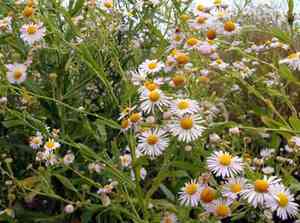
Claspingleaf doll's daisy is an uncommon perennial species inhabiting damp grasslands and riparian zones. For propagation, the most effective method entails planting collected seeds onto a damp, adequately draining medium. Sprouting may be erratic, thus incorporating a blend of soil and organic matter improves the likelihood of success. Confirm that the seeds are gently covered and consistently hydrated until young plants emerge.
When Is the Best Time to Propagate Claspingleaf Doll's Daisy?
Propagation Type
Seeding
Propagation Season
Spring
What Tools Are Used for Claspingleaf Doll's Daisy Propagation?
Seed Trays
Seed trays offer a controlled setting for planting claspingleaf doll's daisy seeds. They assist in maintaining consistent soil moisture and temperature, vital for successful germination of claspingleaf doll's daisy.
Seed Starting Mix
A sterile seed starting mix is crucial for preventing disease and provides a well-draining medium for young claspingleaf doll's daisy seedlings. This soil type is free of weeds and pathogens, encouraging robust growth.
Humidity Dome
A humidity dome helps maintain high humidity and stable temperatures around claspingleaf doll's daisy seeds. This is especially beneficial during the initial germination phase, ensuring consistent growth conditions.
Watering Can with Fine Rose
A watering can with a fine rose enables gentle watering, essential to avoid disturbing delicate claspingleaf doll's daisy seeds and seedlings. It ensures even moisture distribution without washing away seeds or damaging sprouts.
Labels and Markers
Labels and markers aid in tracking different seed varieties and planting dates. This is particularly important for claspingleaf doll's daisy to monitor germination rates and growth progress.
Heat Mat
A heat mat provides consistent bottom heat to seed trays, helping maintain the ideal soil temperature for claspingleaf doll's daisy germination. This speeds up the germination process and ensures uniform sprouting.
Transplanting Tools
Transplanting tools, such as small trowels and dibbers, are used to carefully move claspingleaf doll's daisy seedlings from seed trays to their final growing spots without harming the roots.
Spray Bottle
A spray bottle is used for misting claspingleaf doll's daisy seedlings to maintain moisture levels without over-saturating the soil. This is vital to prevent damping-off disease, which can occur in overly wet conditions.
How to Propagate Claspingleaf Doll's Daisy?
Propagation Type
Simple
How to Care for Your Newly Propagated Claspingleaf Doll's Daisy?
How to Care for Your Newly Propagated Claspingleaf Doll's Daisy?
After transplanting, keep the soil consistently moist but not waterlogged. Claspingleaf doll's daisy prefers full sun to partial shade. Regularly check for pests and diseases, and provide support if plants become tall or leggy. Remove spent flowers to encourage more blooming and extend the flowering season. Mulching around the plant's base can help retain moisture and suppress weeds.
Common Mistakes to Avoid When Propagating Claspingleaf Doll's Daisy
Overwatering
Excessive watering can lead to root rot, severely compromising the plant's ability to establish new roots and grow. Ensure soil is well-draining and moist but not waterlogged.
Poor Soil Conditions
Using soil that is not well-draining or lacks nutrients can hinder root development and the overall health of claspingleaf doll's daisy. It's essential to use a light, rich, and well-drained soil mix.
Inconsistent Light
Placing claspingleaf doll's daisy in areas with inadequate or excessive sunlight can stress the plant and impede its growth. This species typically thrives in full sun to partial shade, depending on the specific environment.
Crowded Planting
Planting cuttings too close together can lead to competition for nutrients and water, impeding their growth. Ensure adequate spacing to allow each plant to develop fully.
Tips For Propagating Claspingleaf Doll's Daisy
Optimal Soil Selection
Use a well-draining soil mix enriched with organic matter to encourage healthy root development.
Moderate Watering
Water the cuttings sparingly yet consistently, ensuring the soil remains moist without becoming waterlogged to promote root formation.
Light Management
Place the cuttings in an area receiving full sun to partial shade to ensure they get the necessary light without experiencing stress.
Proper Spacing
Space the cuttings appropriately during planting to allow for adequate growth and minimize competition for resources.



