How to Transplant Puruagrass?
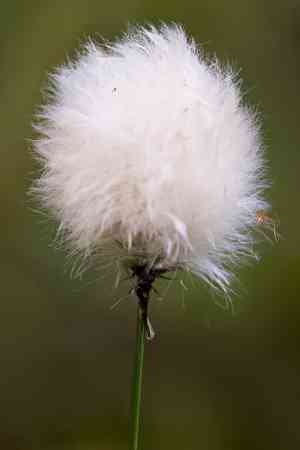
The most favorable period for relocating puruagrass is from late spring through mid-summer, which guarantees robust development. Select sites that receive ample sunlight and retain moisture. Should it be necessary, lightly prune the roots to aid in their settling.
What Preparations are Needed Before Transplanting Puruagrass?
What is the Ideal Time for Transplanting Puruagrass?
The prime period for relocating puruagrass spans from late spring through mid-summer. This timeframe allows puruagrass to develop strong root systems prior to colder weather, ensuring a robust beginning. Moving puruagrass during this peak growth phase means they will absorb summer's warmth, crucial for healthy establishment. This timing, combined with extended daylight hours, accelerates development, so puruagrass gains strength before autumn. Transplanting puruagrass in this season guarantees a smooth transition, leveraging natural growth cycles for maximum vigor.
How Much Space Should You Leave Between Puruagrass Plants?
When arranging your lovely puruagrass, aim to provide each plant ample room to thrive. Position them approximately 8-12 inches (20-30 cm) apart. This spacing ensures they have sufficient area for root expansion and to achieve a lush, full appearance.
What is the Best Soil Mix for Puruagrass Transplanting?
For puruagrass, you'll want to prepare a welcoming bed with soil that drains well. Consider incorporating some organic compost as a foundational fertilizer to supply your plants with essential nutrients. This will establish the conditions for a healthy start!
Where Should You Relocate Your Puruagrass?
These puruagrass love the sun! Select a sunny location in your garden where they can receive at least 6 hours of direct sunlight daily. This sunny exposure will provide them with the energy needed to grow strong and healthy.
What Equipments Should You Prepare Before Transplantation Puruagrass?
Shovel or Spade
To excavate the plant from its original spot and to dig the new hole in the ground.
Garden Fork
To assist in loosening the soil around the roots when extracting the plant.
Watering Can or Hose
For hydrating before and after the transplanting process.
Wheelbarrow or Plant Trolley
To move the plant from its initial position to the new transplant site.
Pruning Shears
For trimming any damaged roots or foliage prior to transplanting.
Gardening Gloves
To safeguard your hands while working with the soil and plant material.
Tape Measure
To help accurately space out the transplantation locations.
Garden Knife
To divide or separate clumps if necessary.
How Do You Remove Puruagrass from the Soil?
How Do You Remove Puruagrass from the Soil?
From Ground: First, hydrate the puruagrass plant to moisten the soil, facilitating easier removal. Then, use a shovel or garden fork to carefully dig around the plant, leaving ample room to avoid cutting into the root ball. Gently loosen the soil and lift the plant, striving to keep as much of the root system intact as possible.From Pot: Begin by watering your puruagrass plant in its container. Turn the pot sideways, grasp the plant's base, and tap the bottom to dislodge it. You might need to roll the pot or press on its sides to help the root ball slide out. If the plant resists, gently use a garden knife to separate the roots from the pot.From Seedling Tray: Water the seedlings to ensure the soil is damp. Use a spoon or a dibber to gently lift the puruagrass seedlings out of their cells, taking care not to harm the delicate roots and stems.
Step-by-Step Guide for Transplanting Puruagrass
Preparation
Start by thoroughly watering the puruagrass plant in its original spot to get it ready for the move.
Digging the New Hole
At the new location, dig a hole that is twice as wide and equally deep as the root ball of your puruagrass plant. This provides the roots ample space to spread.
Root Ball Inspection
Remove any broken or damaged roots from the puruagrass plant using clean pruning shears.
Placement
Position the puruagrass plant in the new hole so that the top of its root ball is level with the surrounding soil surface.
Backfilling
Gently refill the hole with the excavated soil, firming it down as you go to eliminate air pockets.
Watering
Water the puruagrass plant deeply after transplanting to settle the soil and hydrate its roots.
Stabilization
If the puruagrass plant is large or the site is exposed, stake the plant to prevent windrock and encourage stable root growth.
Mulching
Apply a layer of mulch around the base of the puruagrass plant to help retain soil moisture and regulate temperature.
How Do You Care For Puruagrass After Transplanting?
Regular Watering
Maintain consistent soil moisture around the puruagrass plant, watering deeply during dry spells to encourage healthy root development.
Monitoring
Keep a close watch on the puruagrass plant for signs of transplant shock, such as wilting or yellowing leaves, and address issues as needed.
Staking
Periodically check stakes and ties to ensure they are not too tight, adjusting them as the puruagrass plant grows.
Weeding
Remove competing weeds that can vie with the puruagrass plant for nutrients and water.
Mulch Refreshing
Replenish mulch around the base of the puruagrass as necessary, but keep the mulch away from the stem to prevent rot.
Troubleshooting Common Issues with Puruagrass Transplantation.
What's the best time to transplant puruagrass?
Transplant puruagrass during the ideal period from late spring to mid-summer for optimal growth.
How far apart should I space puruagrass when transplanting?
Allow puruagrass room to flourish by spacing transplants approximately 8-12 inches (20-30 cm) apart.
How deep should the roots be when transplanting puruagrass?
Plant the roots of puruagrass just enough to cover with soil without burying the stems deeply.
Why are my transplanted puruagrass's leaves turning yellow?
Yellowing leaves can indicate excessive watering or inadequate drainage. Ensure the soil is moist but not waterlogged.
What soil conditions are ideal for transplanting puruagrass?
Aim for well-draining soil with consistent moisture for the best results when transplanting puruagrass.
How much sunlight does puruagrass need after transplanting?
Place puruagrass in a location where it can receive full sun to partial shade post-transplant.
How often should I water puruagrass after transplanting?
Water puruagrass generously after transplanting and then regularly to maintain even soil moisture.
Is it necessary to fertilize puruagrass during transplanting?
A mild, slow-release fertilizer can be beneficial at the time of transplanting for healthy growth.
What are some signs puruagrass isn't thriving post-transplant?
Stunted development, discoloration, or wilting leaves may signal transplant stress or unsuitable conditions.
Can I transplant puruagrass when it's flowering?
It's best to avoid transplanting puruagrass during its flowering period. Prioritize moving it before or after the bloom cycle.



