How to Prune Puruagrass?
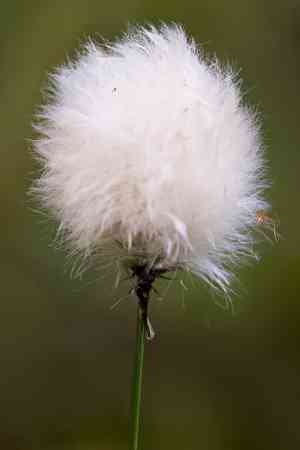
Originating in marshy areas, puruagrass flourishes in damp ground. Trim withered or compromised stems to foster robust development and manage dimensions. The most effective time for trimming is in early spring or during winter dormancy. By eliminating faded blooms, cultivators stimulate fresh development. Advantages of trimming encompass enhanced air movement and protection against ailments. Sanitize implements to avert contagions. Proceed carefully to preserve the plant's form and prevent excessive trimming.
What Are the Benefits of Pruning Puruagrass?
What Are the Benefits of Pruning Puruagrass?
Trimming puruagrass stimulates robust development by eliminating aged or lifeless stalks, fostering new shoots. Consistent cutting maintains its form, preventing excessive growth and ensuring optimal vitality.
What Is the Best Time for Pruning Puruagrass?
What Is the Best Time for Pruning Puruagrass?
For puruagrass, trimming in early spring is optimal as it aligns with the conclusion of its dormant phase, just before new growth commences. This timing enables gardeners to sculpt the plant and remove any damaged or deceased tissue without hindering the emergence of new shoots. Winter is also suitable for pruning puruagrass, especially in regions where the plant enters full dormancy. During this season, the absence of active growth means that pruning will not disrupt photosynthesis or energy production, nor will it expose fresh cuts to harsh weather conditions that could impede recovery or cause illness. Both early spring and winter provide a clear view of the plantâs structure, simplifying the identification and removal of any problematic growth. Pruning in these seasons encourages vigorous growth and preserves the health and structure of puruagrass for the subsequent growing cycle.
What Tools Do I Need to Prune Puruagrass?
Long-Handled Loppers
Given the potential height and thickness of puruagrass's stems, long-handled loppers would be advantageous for reaching and effectively cutting through the sturdy stems. Their leverage and cutting power are perfect for severing stems too thick for standard pruners.
Heavy-Duty Garden Shears
Puruagrass may possess dense foliage that requires some effort to shape or manage. Heavy-duty garden shears offer the necessary sharpness and strength to handle such tasks, allowing for a clean cut that helps prevent plant damage.
Pruning Saw
If puruagrass has particularly thick and tough stems, a pruning saw might be necessary. This tool provides the additional sawing action needed to cut through larger stems that loppers cannot manage.
Hand Pruners
For thinner stems and more delicate trimming tasks, hand pruners are essential. They enable precision when pruning puruagrass, making it simpler to shape the plant without causing unnecessary harm.
How to Prune Puruagrass
Disinfect tools
Before beginning, ensure all pruning implements are clean and sanitized to prevent the spread of disease to puruagrass.
Inspect plant
Carefully examine puruagrass to identify diseased foliage, looking for any discoloration, spots, or signs of decay.
Remove diseased leaves
Using sharp, clean shears, carefully trim away any diseased leaves from puruagrass, cutting at the base of the leaf to avoid damaging healthy tissue.
Trim withered leaves
Locate any withered or dead leaves on puruagrass and snip them off at the base to encourage growth and air circulation.
Clean up
Collect all removed material from puruagrass and dispose of it away from healthy plants to reduce the risk of disease spread.
Common Pruning Mistakes with Puruagrass
Over pruning
Removing too much of puruagrass's growth can lead to stress and reduced vigor, as it relies on its foliage for photosynthesis and energy storage.
Improper cut locations
Cutting too close to the main stem or too far from it can either damage the main plant structure or leave unsightly stubs that do not heal well and are prone to disease.
Using dull tools
Pruning with dull blades can result in jagged cuts that make puruagrass more susceptible to pests and diseases by providing entry points.
Ignoring diseased material
Failing to remove diseased or dead material from puruagrass can allow the disease to spread and weaken the overall health of the plant.
Common Pruning Tips for Puruagrass
Clean cuts
Make sure to use sharp pruning shears to create clean cuts on puruagrass, which helps promote faster healing and reduces the risk of disease.
Prune for shape
Cut back to a bud facing the outside of the plant to encourage puruagrass to grow in a more desirable shape and to prevent crowding of the stems.
Thinning out
Thin out older stems of puruagrass to improve air circulation and light penetration, which can lead to a more robust plant with better growth and flowering.
Post-pruning care
After pruning, provide puruagrass with proper care, including sufficient water and potentially a light application of fertilizer to support recovery and new growth.



