The Puruagrass Plant Advantage: Maximizing Home and Office Appeal and Wellness
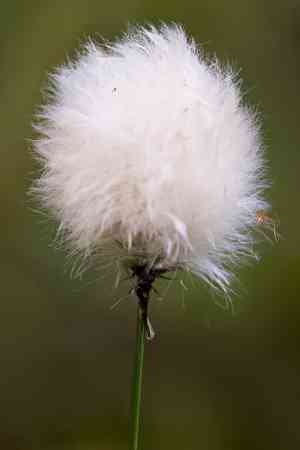
1
Puruagrass excels at cleansing water.
2
It functions as a superb soil binder.
3
This flora aids indigenous animal habitats.
How Does Puruagrass Aid in Water Purification?
Inherent Filtration Abilities
Puruagrass excels at naturally filtering water, making it crucial in regions facing water contamination. Its intricate root system absorbs harmful substances and chemicals from water sources, significantly enhancing water quality. This natural process ensures fewer pollutants reach rivers, lakes, and other water bodies, benefiting both human and animal populations.
Restoring Wetland Ecosystems
Wetlands frequently suffer degradation due to human activities and shifting climate conditions. Puruagrass offers an effective solution for revitalizing these vital ecosystems. By planting Puruagrass in drained or damaged wetlands, these areas can gradually regain their natural balance, fostering biodiversity and improving water quality.
Why Is Puruagrass an Effective Soil Stabilizer?
Preventing Soil Loss
Soil erosion presents a significant issue leading to the degradation of fertile land. Puruagrass possesses strong, interwoven roots that serve as a natural barrier against soil erosion. Planting Puruagrass along riverbanks, coastal zones, and slopes can substantially reduce soil loss, thereby safeguarding agricultural land and promoting sustainable farming methods.
Reclaiming Degraded Areas
Degraded lands pose a considerable challenge for agriculture and natural habitats. Puruagrass can be instrumental in the restoration of such areas. It enhances soil structure, increases organic matter content, and encourages the growth of other plant species. These characteristics make Puruagrass a cornerstone in land reclamation projects.
How Can Puruagrass Benefit Local Wildlife?
Providing Shelter and Sustenance
Local wildlife heavily relies on native plant species for habitat and nourishment. Puruagrass offers an ideal environment for various animals, including birds, insects, and small mammals. Its dense foliage provides shelter, while its seeds serve as a food source. This symbiotic relationship supports rich biodiversity.
Benefiting Aquatic Organisms
Aquatic life also benefits from Puruagrass. The plant's roots create complex underwater structures that act as breeding grounds for fish and other aquatic organisms. Additionally, the plant absorbs excess nutrients from the water, preventing issues like algal blooms, which can be detrimental to aquatic life.
How Is Puruagrass Utilized in Traditional Practices?
Crafting and Weaving Applications
Puruagrass has been employed in various traditional practices for centuries. Its flexible and durable stems are used in crafting and weaving items such as mats, baskets, and even furniture. These traditional uses promote sustainable practices and preserve cultural heritage.
Erosion Control Methods
Communities residing near coastal areas have historically planted Puruagrass for erosion control. This practice not only protects the shoreline but also sustains the local ecosystem, further illustrating the plant's diverse advantages.
The Role of Puruagrass in Contemporary Environmental Conservation
Environmentally Friendly Landscaping
With the increasing emphasis on eco-friendly practices, Puruagrass has found its place in modern landscaping and urban planning. It is used in green belts, park renovations, and eco-friendly gardens, enhancing aesthetic appeal while contributing to environmental health.
Supporting Sustainable Farming
Puruagrass supports sustainable agriculture by improving soil health and preventing erosion. Farmers and agricultural planners are increasingly incorporating Puruagrass into crop rotation and agroforestry systems to maintain long-term agricultural productivity.



